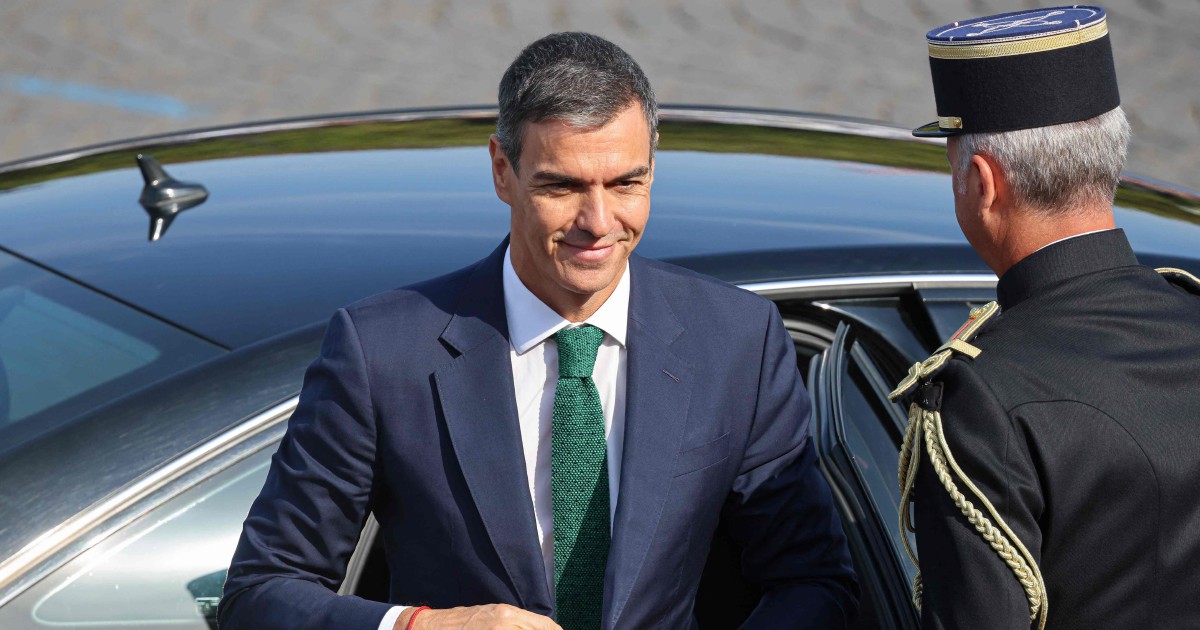
Spain's Prime Minister Pedro Sanchez has expressed strong admiration for the national football team's cohesion and spirit ahead of the decisive World Cup final scheduled for Sunday against Argentina, offering what observers view as a moment of national uplift during a challenging political period back in Madrid.
Sanchez's public endorsement of the squad carries particular significance given the domestic controversies surrounding his government. The Spanish premier has been operating under considerable pressure from multiple corruption investigations that have tested his political standing at home. By championing the footballers' achievements and character, he attempts to align himself with a source of national pride and unity that transcends the fractious nature of Spanish domestic politics.
The Prime Minister characterised the team as possessing qualities that extend beyond technical football ability, highlighting the exceptional unity and collective spirit the squad has demonstrated throughout the tournament. This framing suggests he views the team not merely as athletes competing for a trophy, but as representatives of Spanish values and cohesion at a moment when such sentiments may be in short supply in national political discourse.
Football holds a peculiar position in Spanish public life, serving as both entertainment and a vehicle for national identity expression. A World Cup triumph would provide the government with a powerful symbolic victory, offering respite from the daily cycle of political scandal coverage that has dominated Spanish media. For Sanchez personally, association with a victorious national team could help reshape his political image and demonstrate his connection to sources of collective pride beyond the contentious realm of governance.
The timing of Sanchez's remarks reflects a common political strategy whereby leaders seek to capitalise on moments of sporting achievement to elevate national mood and temporarily redirect public attention. Spain itself has experienced this phenomenon before, most notably following the national team's remarkable success at the 2010 World Cup in South Africa, which transformed the squad into global icons and strengthened national cohesion during economically difficult times.
Argentina enters the final as formidable opponents, bringing their own narrative of redemption and national aspiration to Qatar. The South American side carries the weight of collective hopes that have accumulated across decades of near-misses in major tournaments. A final between these two footballing powers promises not only technical excellence but also the passionate intensity that international football can generate, particularly when the stakes involve national honour and identity.
Spain's journey to the final represents a remarkable turnaround after a disappointing group stage performance that raised serious questions about the team's viability. The squad's subsequent improvement and cohesion under their management has impressed observers and demonstrated the capacity for collective growth under pressure, a quality that Sanchez's comments attempted to highlight and celebrate.
For Malaysian and Southeast Asian observers, the Spain-Argentina final offers an intriguing contest between different football philosophies and continental traditions. Spain's emphasis on technical precision and possession-based football contrasts sharply with Argentina's more direct, attack-oriented approach. Such tournaments also provide valuable context for understanding how football intersects with national politics and identity across different regions and cultures, including Southeast Asia where political leaders similarly leverage sporting success for domestic messaging.
The broader context of Sanchez's comments underscores how international sporting competitions serve functions that extend well beyond the pitch itself. In an era of increasing political polarisation and social fragmentation, football tournaments offer rare moments of genuine national unity where citizens collectively invest emotional energy in representing their country on the world stage. The Spanish Prime Minister's decision to publicly celebrate this phenomenon suggests he recognises the deep human need for such unifying experiences, particularly during periods marked by division and institutional distrust.
Should Spain prevail against Argentina, the victory would inject tremendous positive energy into Spanish national life and potentially provide Sanchez with renewed political momentum heading into subsequent parliamentary deliberations and public opinion battles. Conversely, defeat would mean returning immediately to the more austere realities of political accountability and the unresolved questions surrounding his administration's governance and conduct. Either outcome, the World Cup final represents a significant moment for both the footballers themselves and the national leaders who inevitably find themselves entangled in the emotions that international competition generates.

