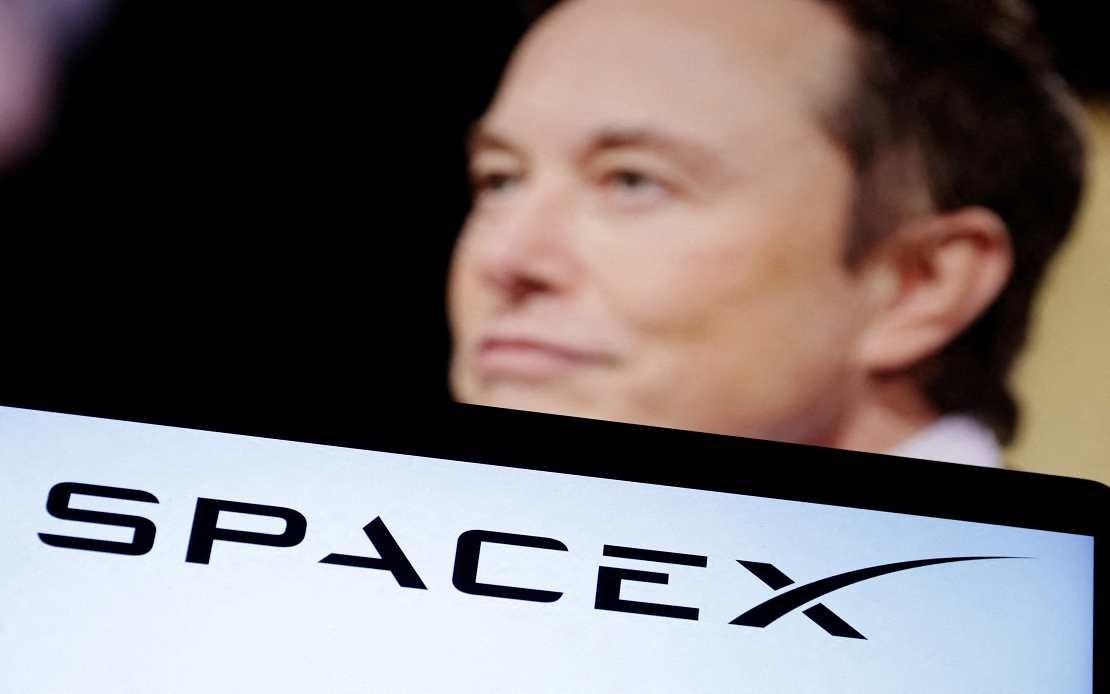
Elon Musk's space venture SpaceX has posted a net loss of US$541 million for the quarter that saw the company make its historic debut on public markets, marking a significant improvement from the approximately US$1 billion loss recorded in the same period a year earlier. The spacefaring company announced the results on Tuesday, revealing mixed fortunes that underscore the tension between explosive growth and near-term profitability in the competitive aerospace and satellite communications sectors.
The financial performance presents a paradox common among high-growth technology companies. Whilst the firm recorded a substantial net loss, it simultaneously delivered a revenue performance that exceeded market expectations by a considerable margin. Total quarterly revenue reached US$7.8 billion, representing an almost 92 per cent jump from the prior year and meaningfully outpacing the consensus analyst estimate of approximately US$6.9 billion. This divergence between top-line growth and bottom-line profitability reflects SpaceX's aggressive investment strategy and the capital-intensive nature of space operations.
Starlink, the company's satellite internet constellation service, continues to function as the primary revenue generator and growth engine. In the quarter under review, Starlink generated approximately US$4.3 billion in revenue, nearly two-thirds higher than the corresponding period twelve months prior. This growth trajectory has accelerated adoption beyond consumer markets into commercial aviation, with airlines increasingly integrating the service to provide connectivity to passengers. The expanding addressable market and improving unit economics within this segment suggest that Starlink's contribution to overall corporate performance will remain substantial throughout the coming year.
Operating profit demonstrated healthier momentum than net income, increasing 80 per cent to around US$1.66 billion. This metric reveals that the company's core business operations are generating positive returns before factoring in depreciation, interest, taxes, and other non-operating expenses. The operational improvement, combined with revenue expansion, indicates that SpaceX is gradually moving towards sustainable profitability despite the ongoing capital requirements of its long-term strategic initiatives.
Subscriber growth for Starlink remained robust during the period. The customer base expanded from 10.3 million to 12 million accounts over just three months, demonstrating persistent demand for satellite-based internet services globally. This expansion is particularly significant for regions where terrestrial broadband infrastructure remains underdeveloped or cost-prohibitive, presenting opportunities across Southeast Asia and other emerging markets where connectivity gaps persist.
Looking forward, SpaceX has announced plans to leverage its satellite network infrastructure to facilitate direct smartphone connectivity through Starlink without requiring specialised terminal equipment. This development would position the company in direct competition with traditional telecommunications operators and could reshape market dynamics in the mobile communications industry. For Malaysian and Southeast Asian telecom providers, this represents both a potential partnership opportunity and a disruptive threat requiring strategic response.
The company's transition to public markets occurred in mid-June when SpaceX completed its record initial public offering, raising US$75 billion in capital. The offering priced shares at US$135 each, establishing an initial valuation of nearly US$1.8 trillion—a figure that appeared disconnected from current financial results but that company leadership justified through reference to ambitious artificial intelligence applications and long-term growth potential. This valuation reflects investor enthusiasm for the company's technological capabilities and market position despite present profitability challenges.
Share price performance since the IPO has proven volatile and ultimately disappointing for those who purchased at or near the initial pricing. In the weeks immediately following the public offering, investor enthusiasm—particularly among retail market participants—drove the share price above US$225. However, the stock has subsequently retreated significantly, closing regular trading on Tuesday at approximately US$125, below the original issue price. After-hours trading following the earnings announcement witnessed an initial eight per cent decline, signalling market disappointment with profitability metrics.
A significant catalyst for potential share price pressure lies immediately ahead. The lock-up period restricting insider and early investor share sales expires on Thursday, potentially releasing substantial volumes of shares into the market. Such periods historically generate downward price pressure as restricted sellers seek to diversify holdings, a dynamic that could test the stock's support levels in coming sessions.
Notwithstanding current financial challenges, SpaceX remains integral to United States space programme objectives and national security strategy. The company has become the primary provider of launch services for government and military payloads, a position buttressed by ongoing technological advancement. The company is currently channelling considerable resources into developing its Starship super-heavy-lift launch vehicle, which remains in the testing phase but promises to substantially reduce payload transportation costs to orbit. Success with this initiative could transform space commerce economics and accelerate adoption of space-based services.
For Malaysian investors and technology observers, SpaceX's trajectory offers lessons in valuations, growth investing, and the long-term capital requirements of transformative technologies. The disconnect between operational growth and profitability reflects the reality that building space infrastructure demands sustained capital deployment over extended timeframes, a challenge that separates genuine technological innovation from speculation-driven valuations.

