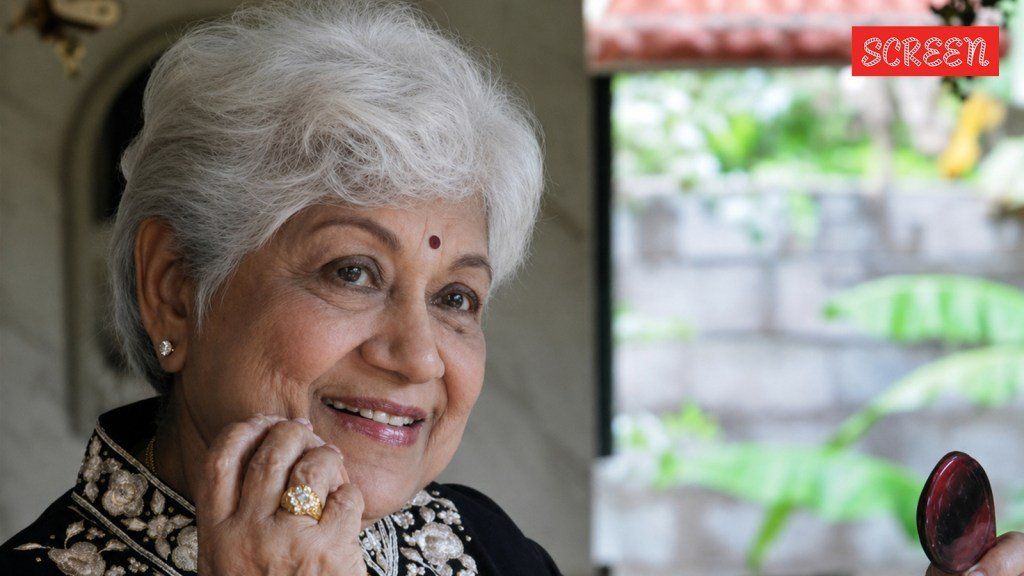
The passing of Sowcar Janaki on Friday marks the end of an extraordinary era in South Indian cinema. The 94-year-old veteran actress succumbed to age-related illness at a private hospital in Chennai after a brief stay in intensive care. Her death was confirmed by Nassar, president of the South Indian Artistes' Association, who announced that her mortal remains would be placed at Cenotaph Road, Teynampet, from 5 pm for the public to pay their respects.
Sankaramanchi Janaki, as she was formally known, carved an unparalleled legacy across the Tamil, Telugu, Kannada, and Malayalam film industries. Her filmography comprises nearly 400 productions, a remarkable testament to her prolific career that began in 1950 and spanned more than seven decades. This longevity and consistency in an industry known for its transient nature underscores both her versatility as a performer and the enduring appeal she maintained with audiences across multiple linguistic regions and generations.
Her achievements earned her recognition at the highest levels of Indian cinema and culture. Sowcar Janaki received the Padma Shri, one of India's most prestigious civilian honours, alongside the Kalaimamani Award, two Nandi Awards, and the Filmfare Lifetime Achievement Award. These accolades reflected not merely her prolific output but the quality and impact of her performances, which shaped how audiences across South India understood female characters in cinema.
Tamil Nadu Chief Minister C. Joseph Vijay, himself an actor, expressed profound grief at her passing, describing her as someone who had secured an indelible place in the hearts of fans across generations through her distinctive acting. In his statement, he highlighted how her artistic journey had made her a bridge across linguistic and cultural boundaries, achieving success in multiple languages and establishing herself as a fixture in the region's collective memory. The Chief Minister's tribute emphasised that her demise represented a significant loss to the entire film fraternity, acknowledging both her professional significance and her role in shaping the cultural landscape of South Indian cinema.
Notable contemporary figures and fellow actors shared deeply personal tributes that illuminated the breadth of her impact. Kamal Haasan, one of Tamil cinema's most celebrated performers, recalled collaborating with her over four decades, beginning with the film Paarthaal Pasi Theerum, noting that she frequently portrayed motherly roles opposite him. He emphasised her indispensability to South Indian cinema and her special relationship with legendary director K. Balachander, under whose direction she became a preferred choice for significant roles. Haasan's emotional tribute, expressed through tears, captured the profound respect and affection she commanded from her peers.
Radhika Sarathkumar remembered Sowcar Janaki as a strong and independent trailblazer who had broken significant ground in the industry. She highlighted their personal connection and shared friendship with her father, actor Radha, noting the mutual admiration between the two veterans. This personal dimension to the tributes reveals how Sowcar Janaki's influence extended beyond her on-screen presence into the personal networks and relationships within the acting community itself.
Telugu cinema icons also mourned her passing, recognising her foundational contributions to their industry. Jr NTR described her as someone who had left an indelible mark on both Telugu and Indian film industries, while Chiranjeevi detailed her illustrious journey that began with the film Shavukaru and spanned nearly seven decades across multiple languages. Both actors emphasised how her cinematic roles would remain permanently etched in collective memory, and both extended condolences to her family with traditional invocations for peace. Vishnu Manchu similarly celebrated her grace, dignity, and remarkable body of work, noting that younger generations should study her career to understand what it means to be truly legendary in cinema.
Sowcar Janaki's career extended beyond traditional cinema into television and maintained remarkable vitality in her later years. Her last Tamil film appearance came in Biskoth in 2020, while her most recent Telugu project was Anni Manchi Sakunamule in 2023, demonstrating her continued presence in the industry well into her ninth decade. This consistent engagement with contemporary cinema meant she was never relegated to the status of a purely historical figure but remained an active participant in the creative landscape.
The convergence of tributes from actors across linguistic regions, generations, and stylistic traditions underscores a fundamental truth about Sowcar Janaki's career: she existed as a unifying figure in South Indian cinema at a time when the industries were less integrated than they are today. Her willingness and ability to work across Tamil, Telugu, Kannada, and Malayalam productions made her a rare bridge-builder who contributed to a shared cultural vocabulary across what were otherwise separate and sometimes competitive film markets. This cross-regional presence, combined with her evident technical skill and professional reliability, secured her position as an indispensable figure whose career trajectory defined multiple eras of South Indian film.
Her passing represents not merely the loss of an individual performer but the closing of a chapter in South Indian cinema's history. Sowcar Janaki embodied a particular approach to acting—grounded, naturalistic, and character-driven—that influenced how subsequent generations approached their craft. The extensive film archives and numerous performances she left behind ensure that her artistic contributions remain accessible to future audiences, while the testimonies of her contemporaries provide insight into her methods, collaborations, and the values she represented within the creative community.

