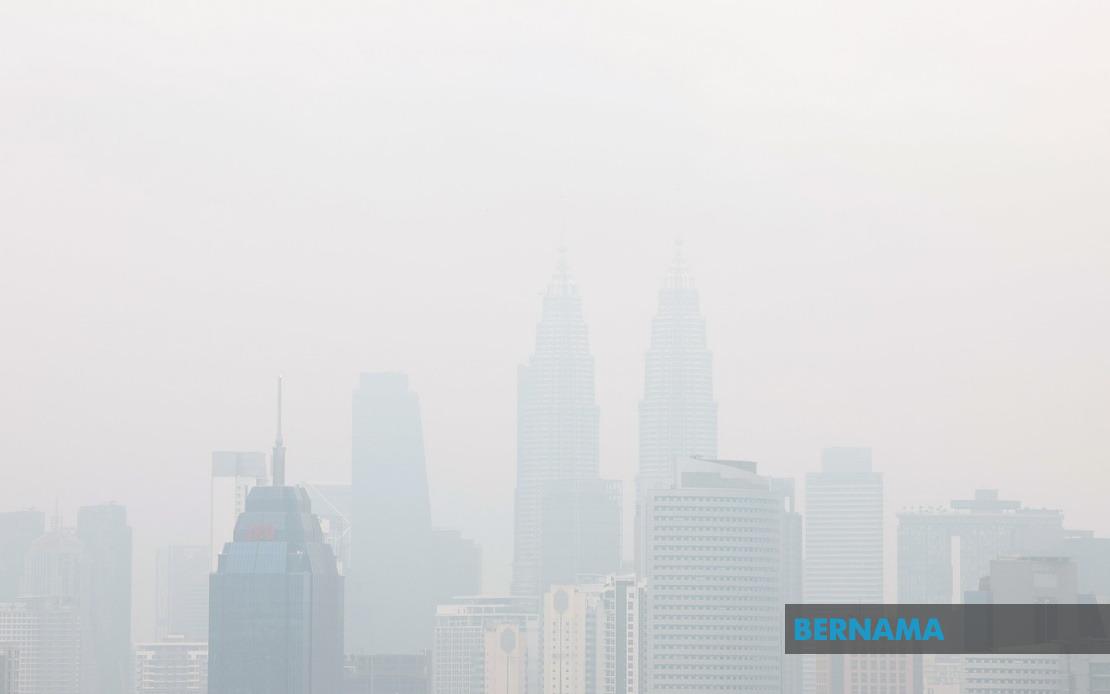
Environmental conditions across southern ASEAN are deteriorating rapidly, with the ASEAN Specialised Meteorological Centre warning that an extended dry spell threatens to compound an already serious regional air quality crisis. The forecast suggests that without a significant shift in weather patterns, transboundary haze pollution will likely intensify over the coming week, bringing health risks across multiple countries in the region.
The immediate trigger for this escalation is the persistence of drought-like conditions spanning West, Central, and South Kalimantan in Indonesian Borneo, alongside parts of Sumatra. Satellite monitoring has revealed moderate to dense smoke plumes emanating from these areas, accompanied by scattered hotspot clusters across the broader Indonesian archipelago. The ASMC's analysis indicates that current meteorological conditions are particularly conducive to the spread of smoke across borders, making neighbouring territories vulnerable to air quality degradation regardless of their own fire prevention efforts.
In Malaysia, the impact is already measurable and concerning. As of Wednesday morning, seventeen separate locations distributed across six states—Sarawak, Selangor, Johor, Melaka, Perak, and Negeri Sembilan—along with the Federal Territories of Kuala Lumpur and Putrajaya registered unhealthy Air Pollutant Index readings. This geographic spread underscores how pervasive the transboundary pollution has become, affecting both peninsular and East Malaysian populations simultaneously. The concentration is heaviest in Sarawak, where three districts exceeded safety thresholds, with Sri Aman recording the most severe reading at 167 on the API scale, signalling air quality conditions hazardous to vulnerable populations including children, the elderly, and those with respiratory conditions.
The meteorological mechanism driving this crisis centres on prevailing wind patterns across the equatorial and tropical latitudes. The ASMC notes that southeasterly to southwesterly winds are expected to persist, effectively channelling smoke from Indonesian fire sources directly toward Malaysian territory. This climatic feature is a predictable annual occurrence during certain months, yet the severity varies considerably depending on the extent of ground-level fires ignited during particularly dry periods. The current forecast suggests wind directions will maintain or potentially strengthen this transport pathway, creating an unfavourable scenario for air quality improvement in the short to medium term.
Singapore, positioned further southeast, has so far been less severely affected, with the city-state's National Environment Agency reporting air quality at moderate levels. The 24-hour Pollutant Standards Index readings ranged between 59 and 78 as of early afternoon Wednesday, with the central region experiencing the highest concentrations. This differential impact across ASEAN reflects the geographic distribution of fire sources and the influence of local wind systems. However, authorities in Singapore remain vigilant, as shifting wind patterns could alter this trajectory.
The broader implications of this recurring phenomenon warrant examination. Southeast Asia faces a cyclical environmental challenge that intersects agricultural practices, land use policies, and climate variability. In Indonesia, much of the smoke originates from peatland clearance and agricultural burning—activities that, while economically significant for certain sectors, generate substantial external health costs for the entire region. This asymmetry between the geographic location of polluting activities and the distribution of health impacts creates a regional governance challenge that transcends individual national boundaries.
For Malaysia specifically, this episode illustrates the vulnerability of a middle-income country to transboundary pollution despite having no direct control over its sources. Malaysian public health infrastructure, air quality monitoring systems, and emergency response protocols are well-developed compared to many developing nations, yet they can only mitigate rather than eliminate the problem. Schools may need to restrict outdoor activities, hospitals prepare for respiratory emergencies, and the general population faces reduced quality of life during peak pollution episodes.
The timing of this particular haze event coincides with the dry season pattern typical for the equatorial region. Meteorological models suggest that prevailing atmospheric circulation patterns will sustain current conditions for several additional days, potentially extending the episode into early September if dry weather persists. The ASMC's caveat about deterioration if dryness continues underscores the critical importance of rainfall in breaking the cycle—precipitation over Indonesian fire sources would suppress active burning and reduce smoke generation, immediately improving regional air quality.
Reliability and consistency of air quality monitoring across the region remain essential for public safety. Malaysia's APIMS network provides real-time data that enables targeted health advisories and policy responses, yet the granularity of available information varies across ASEAN nations. Strengthening regional data-sharing mechanisms would enhance collective understanding of transboundary pollution patterns and enable more coordinated policy interventions. This could include voluntary agreements on preventive burning practices, mutual assistance protocols during severe episodes, and harmonized public health guidance across borders.
From an economic perspective, haze episodes impose substantial costs through healthcare expenditures, productivity losses from workforce illness and school closures, and reduced tourism. These expenses are typically borne by affected countries rather than by those whose activities generate the pollution. This distributional inequity complicates regional cooperation efforts, yet the mutual interest in minimizing these externalities provides a foundation for continued diplomatic engagement on environmental matters.
Looking ahead, the convergence of weather forecasts suggests that regional air quality will remain challenging through at least the coming week. Public health authorities across Malaysia and Singapore have issued health advisories recommending that vulnerable populations limit outdoor exposure and maintain adequate protective measures. The business community, particularly in tourism and aviation, faces potential disruptions if visibility deteriorates significantly or if air quality reaches hazardous thresholds requiring emergency measures.

