The summer travel season is reshaping Asia's tourism landscape as mainland Chinese holidaymakers demonstrate a pronounced preference for closer, more accessible destinations across Southeast Asia rather than embarking on costly long-haul journeys to Europe or other distant regions. This significant shift in travel behavior reflects a combination of practical constraints—including flight disruptions caused by Middle Eastern geopolitical turmoil—alongside a broader recalibration of how Chinese travelers approach vacation spending during an economically uncertain period at home.
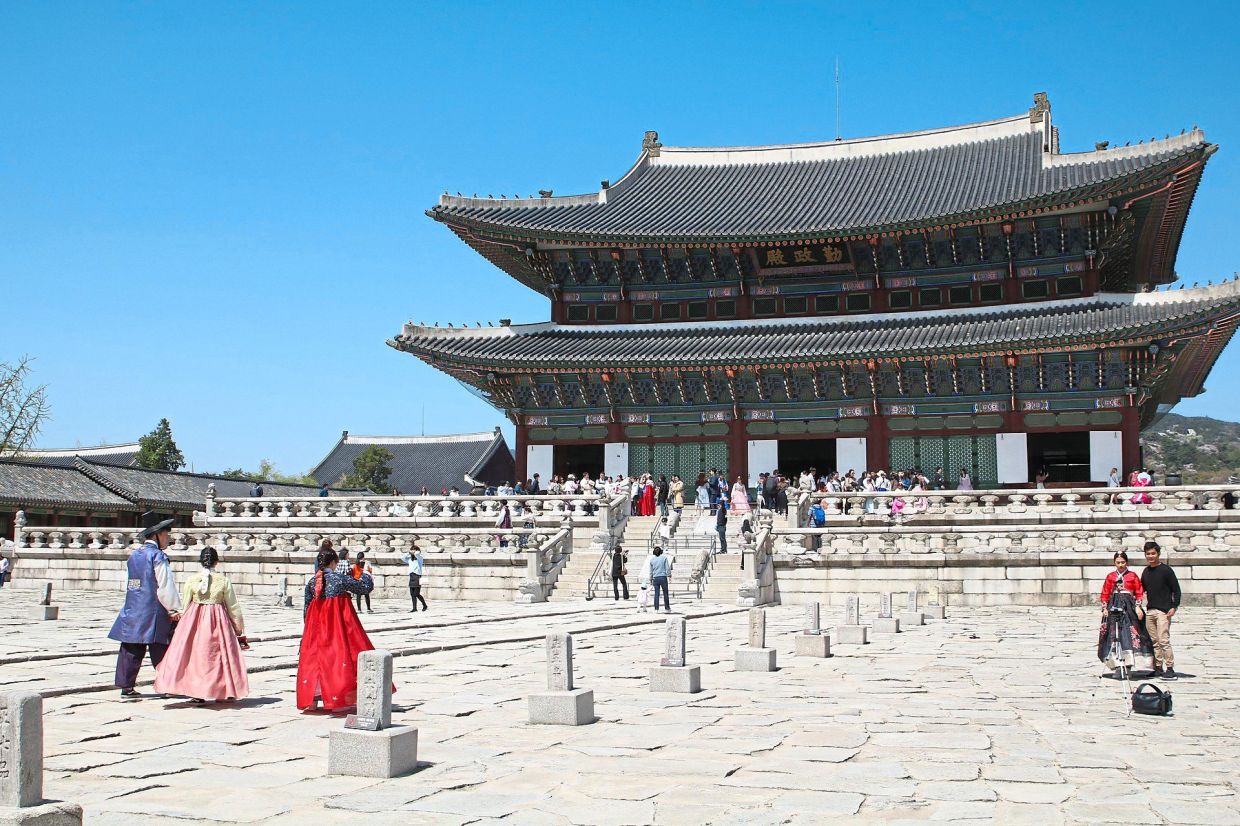
According to booking analysis from China Trading Desk, a travel analytics firm, Seoul has emerged as the most popular destination for mainland visitors during the June-to-August window, projecting 2.15 million arrivals and representing a robust 14 percent increase compared to the same period last year. Hong Kong trails closely behind with approximately 1.94 million expected arrivals, underscoring the enduring appeal of nearby metropolitan hubs that offer cultural familiarity alongside modern amenities. These figures illustrate the clear concentration of travel demand within the Asian region rather than spreading across global destinations as was historically typical.
Malaysia has captured significant momentum within this regional rebalancing. Kuala Lumpur has recorded a standout 16 percent year-on-year surge in Chinese visitor arrivals, positioning the capital among Southeast Asia's most sought-after destinations. Vietnam has equally benefited from this trend, with both Ho Chi Minh City and Hanoi securing spots in the top-ten rankings for summer travel. This regional concentration stands in sharp contrast to the declining fortunes of traditional long-haul favorites, with London now overshadowed by closer alternatives such as Osaka and Jeju, signaling a fundamental reconfiguration of Chinese tourist preferences.
The magnitude of these travel patterns carries substantial economic implications for the region. Mainland Chinese tourists collectively wield extraordinary influence over destination economies through their sheer numbers and spending capacity. The World Travel and Tourism Council projects that mainland Chinese will undertake more than 184 million outbound trips this year while expending approximately US$265 billion, equivalent to around RM1.08 trillion. This financial firepower means that shifts in Chinese travel preferences can substantially reshape tourism revenues and hospitality sectors across Southeast Asia.
Suddenly, the destinations capturing the largest share of Chinese summer travelers are those perceived as proximate, secure, economically rational, and logistically straightforward to access. As Subramania Bhatt, head of China Trading Desk, explained, proximity and value proposition now dominate decision-making rather than prestige or distant exotic appeal. The calculus has fundamentally shifted toward practicality and accessibility, reflecting genuine changes in how Chinese families approach leisure spending when facing economic headwinds.
The Middle Eastern geopolitical crisis has directly impaired outbound travel capacity and confidence. The conflict involving Iran disrupted aviation routes and forced airlines to cancel or reroute flights, creating both logistical chaos and emotional hesitation among would-be travelers. June passenger flows from China are anticipated to reach approximately 4.9 million through month's end, down noticeably from 5.3 million during the equivalent 2024 period. This decline illustrates how external shocks ripple through the travel industry and discourage discretionary journeys during periods of regional instability.
More troublingly for Japan, geopolitical tensions have triggered a marked retreat by Chinese visitors from what was once a perennial tourism favorite. Tokyo visitor numbers have plummeted by 26 percent this summer, while Osaka has fallen entirely from the top-ten rankings despite enjoying strong popularity historically. This deterioration stems directly from inflammatory rhetoric by Japanese Prime Minister Sanae Takaichi, who suggested last year that a potential Chinese military assault on Taiwan could trigger Japanese military intervention. Beijing subsequently issued formal guidance discouraging its citizens from traveling to Japan, weaponizing tourism as a diplomatic response. Recent data from Japan's National Tourism Organisation confirms the severity of this downturn, documenting a staggering 60 percent year-on-year collapse in mainland Chinese visitors during May alone.
Beyond destination selection, Chinese tourists are fundamentally altering their spending behavior as economic pressures intensify domestically. While per-trip expenditure reached a two-year high of US$4,085 (RM16,698) in March, subsequent growth has decelerated considerably as property sector instability and broader economic anxiety dampen consumer confidence. Hanming Li, an independent travel analyst, observes that travelers now possess acute awareness of budget constraints and aggressively seek value, creating fiercer competitive pressures among destinations to offer compelling propositions rather than relying on brand prestige.
This spending recalibration extends to consumption patterns. Mainland travelers remain engaged shoppers but increasingly prioritize comparison-shopping and deal-hunting. Notably, average duty-free expenditures have contracted this year relative to prior periods. While fashion and beauty purchases remain resilient at approximately 76 percent of total spending this month—up from 71 percent in June 2024—discretionary luxury consumption is contracting. High-ticket items including jewelry and watches have declined to represent 23 percent of spending from an earlier 28 percent, indicating a deliberate pivot toward more practical, immediately-wearable goods rather than investment pieces.
The tentative ceasefire agreement between the United States and Iran could potentially restore confidence and expand travel horizons beyond strictly regional options. However, recovery will prove gradual and incomplete. Bhatt cautioned that while the political resolution removes one major barrier, operational normalization faces formidable obstacles. Airlines managing fuel costs, insurance premiums, aircraft utilization, and schedule recovery may take considerably longer to restore pre-crisis capacity and pricing, meaning consumer confidence will likely lag behind operational readiness for months to come.
Short-haul travel within Asia is consequently expected to sustain momentum through autumn and beyond. The structural advantages of regional destinations—lower fares, shorter flight times, reduced travel costs—align perfectly with how mainland Chinese travelers currently assess vacation value. As airlines grapple with cost normalization and capacity restoration, Southeast Asia stands positioned to capture sustained demand from Chinese tourists seeking maximum experience value within constrained travel budgets, fundamentally reshaping the region's tourism geography.

