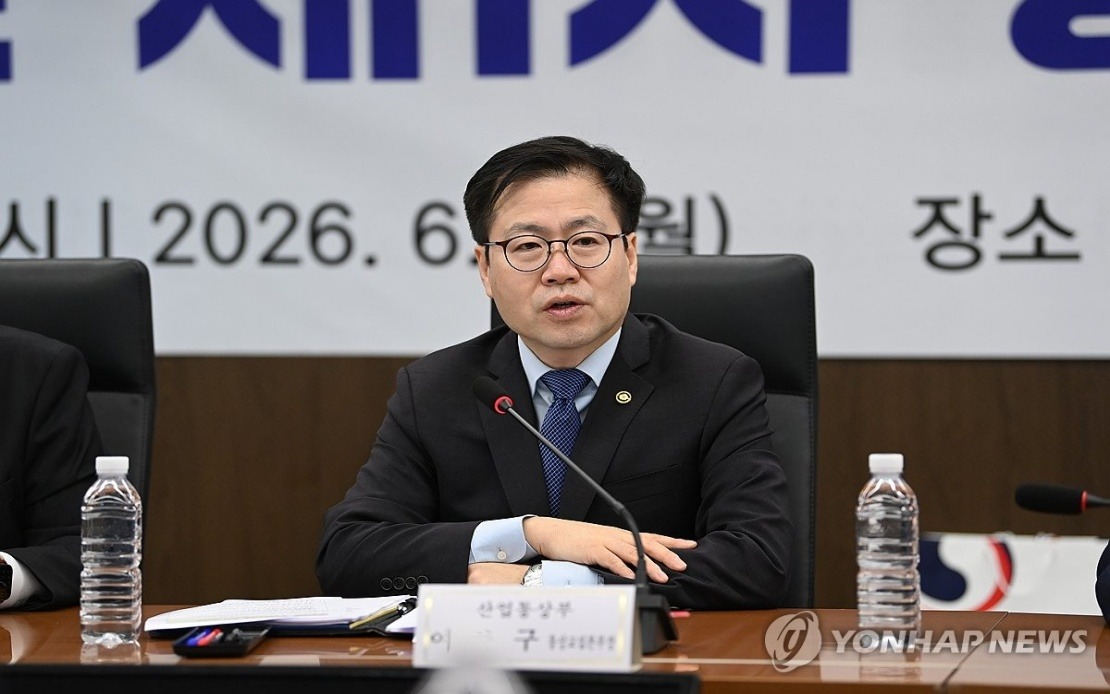
South Korea's government has removed its chief trade negotiator from office, marking a significant shift in the country's trade leadership at a time when bilateral economic relations with the United States are increasingly strained. Yeo Han-koo received notification of his dismissal from the Ministry of Personnel Management on Friday, according to officials from the Ministry of Trade, Industry and Energy who announced the decision Saturday. The abrupt removal has sparked immediate questions about the underlying motivations, particularly given the delicate state of Seoul-Washington trade relations.
Official statements from Seoul characterised the dismissal as unrelated to ongoing tariff negotiations with the United States, seeking to downplay any connection between the personnel decision and the escalating commercial tensions. However, the timing of Yeo's removal—occurring just days after President Donald Trump announced new tariffs on South Korean drone exports—has raised eyebrows among trade analysts and business observers who see clear linkages between domestic political shifts and external economic pressures. The government's insistence on separating the two developments appears designed to signal stability to Washington, even as Seoul grapples with internal reorganisation.
Yeo himself has vigorously denied speculation that personal misconduct triggered his dismissal, characterising such claims as baseless and suggesting he may pursue legal remedies against what he views as damaging misreporting. His defence indicates that the dismissal may reflect deeper disagreements within Seoul's government machinery regarding trade strategy or negotiating tactics, rather than conventional disciplinary grounds. The dispute over the narrative surrounding his removal underscores the politically contentious nature of trade policy in South Korea, where different factions within government maintain competing visions for managing relations with Washington.
The removal occurs amid mounting pressure from the United States on multiple fronts. Beyond the recently announced tariffs on drone components—which carry a 15 percent levy on South Korean imports—Seoul faces demands to accelerate its investment commitments under an existing bilateral trade agreement. These investment obligations represent a cornerstone of earlier negotiations aimed at reducing Seoul's trade surplus with the United States, and Washington has grown impatient with the pace of South Korean capital deployment in American markets and manufacturing facilities.
Additionally, a separate dispute over regulatory fines imposed on Coupang, the South Korean e-commerce giant with significant US listings, has created friction between the two capitals. The fines stem from a personal data breach, with American officials questioning the proportionality and justification for Seoul's enforcement actions against the company. This case exemplifies how trade disputes increasingly intertwine with digital governance and data protection matters—issues that will shape bilateral commercial relations for years to come.
Yeo's previous experience in trade administration provided him with considerable expertise in managing Seoul's complex economic relationship with Washington. He served as trade minister during the Moon Jae-in presidency and returned to his negotiating role following the Lee Jae Myung administration's launch in May 2025. His re-appointment had signalled continuity in trade policy, yet his removal after just a few months suggests internal recalibration of approach or personnel disputes within Seoul's economic policymaking apparatus. During his tenure, Yeo navigated multiple contentious issues, from tariff discussions to investment frameworks, consistently serving as Seoul's principal interlocutor in Washington.
For Malaysian and Southeast Asian observers, the South Korean situation carries instructive lessons about managing trade relations with Washington under conditions of renewed protectionism and tariff activism. Like Malaysia, South Korea maintains substantial trade surpluses with the United States, making it vulnerable to similar tariff threats and investment pressure campaigns. The removal of an experienced negotiator mid-tenure suggests that even established trading partners struggle to navigate Trump administration policy uncertainties effectively. Seoul's inability to retain continuity in its chief trade representative may reflect the velocity and unpredictability of American trade demands, which can overwhelm existing institutional frameworks and personnel arrangements.
The broader implications for regional trade dynamics are significant. South Korea's trials with US tariffs and investment demands foreshadow challenges that other East and Southeast Asian economies may face in coming months. Malaysia, Vietnam, and other nations exporting consumer electronics, automobiles, and components to American markets should monitor how Seoul manages the drone tariff situation and investment acceleration demands. The playbook Seoul develops—or fails to develop—may inform how other regional economies respond to similar pressures.
Moreover, the personnel instability surrounding Seoul's trade leadership raises questions about institutional capacity to sustain complex negotiations over extended periods. Trade policy requires consistency, detailed knowledge accumulation, and relationships with counterparts that develop over time. Frequent leadership changes, whether driven by internal politics or external pressures, can undermine negotiating effectiveness and create opportunities for miscommunication or strategic disadvantage. For Malaysia and the region, maintaining stable, experienced trade leadership becomes even more crucial as US trade policy becomes more volatile and demanding.
The unresolved question of why Yeo was dismissed—official denial of tariff-related reasons notwithstanding—reflects how trade tensions permeate domestic political systems, creating pressures that eventually rupture institutional arrangements. Whether his removal stems from disagreement over negotiating strategy, personality conflicts with leadership, or genuine misconduct remains unclear, but the opacity itself demonstrates how sensitive trade matters have become in Seoul's governance. This political fragility at the apex of South Korea's trade administration may hamper Seoul's ability to respond coherently to future American tariff initiatives or investment demands.

