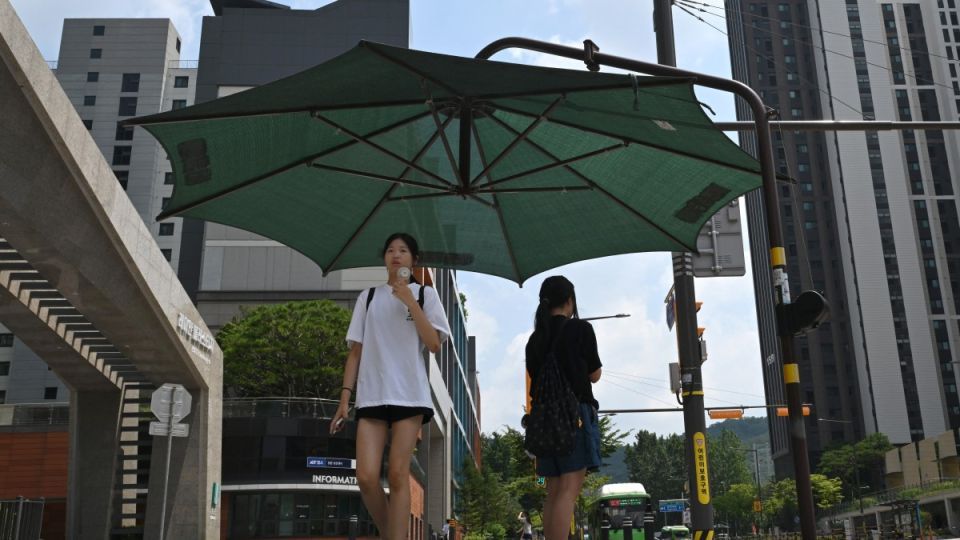
South Korea's escalating heat crisis has prompted major corporations to restructure working conditions and invest heavily in employee protection, yet these efforts have simultaneously exposed a troubling gap in occupational safety between large multinational firms and smaller businesses operating with limited resources. As the country endures unprecedented temperatures—with Yangsan in South Gyeongsang Province reaching 42.5 degrees Celsius and Seoul remaining under the highest-level heatwave warning for extended periods—the divergence in employer responses reveals how economic disparities translate directly into workplace vulnerability for vulnerable segments of the workforce.
The scale of heat-related workplace incidents in South Korea underscores the severity of the problem. According to parliamentary data from Rep. Kim Wi-sang of the ruling People Power Party, the Korea Workers' Compensation and Welfare Service documented 195 heat-related occupational accidents spanning 2022 through June 2024, a toll that included 20 fatalities. More alarming still, thirteen cases emerged by the end of June alone—four of them fatal—suggesting the typical July-August peak season would substantially worsen the annual tally. This rising toll has galvanised regulatory action and corporate strategy, though unevenly across the industrial landscape.
Legal accountability has become a critical driver of change, particularly following a landmark district court conviction last year when a construction company was found guilty under the Serious Accidents Punishment Act for a subcontractor employee's heatstroke death. That precedent-setting case represented the first prosecution of its kind involving heat-related mortality and has effectively communicated to large employers that thermal safety failures carry real criminal consequences. Construction sector firms, which disproportionately account for industrial fatalities, have responded most visibly to this enforcement pressure.
Large construction conglomerates have implemented sophisticated responses tailored to their operational environments and workforces. Hyundai Engineering & Construction incentivises workers to utilise designated rest areas during breaks, directly attempting to modify behaviour through positive reinforcement. Lotte E&C has deployed Internet of Things monitoring systems across approximately 80 construction sites, enabling five-minute temperature updates and stratifying heat risk into five distinct categories to inform real-time scheduling decisions. Daewoo E&C has deliberately eliminated penalty structures that might discourage workers from self-reporting physical distress, recognising that workers often attempt to maintain productivity despite dangerous conditions when facing wage or employment consequences.
Recognising that migrant workers face compounded vulnerability, major construction firms have initiated multilingual and culturally informed protection programmes. Hyundai E&C distributed emergency reporting guides in 22 languages and provided cooling vests incorporating battery-powered fans alongside oral rehydration solutions to workers identified as particularly susceptible to heat illness. Kumho E&C partnered with beverage manufacturer Lotte Chilsung to systematically supply bottled water, sports drinks, cooling towels and portable shelter structures across construction sites through September, addressing multiple dimensions of thermal stress simultaneously.
Heavy industrial operators facing continuous production requirements have restructured work-rest cycles according to thermal thresholds. Posco, whose blast furnaces operate continuously, mandates 15-minute breaks following every 45 minutes of labour when perceived temperature exceeds 35 degrees Celsius, with shortened break cycles when thermal stress remains below that level. Hyundai Steel similarly implements minimum 10-minute hourly breaks above 31 degrees and 15-minute breaks above 35 degrees. Shipbuilding facilities have extended rest periods during the critical summer months: Hanwha Ocean doubled its morning and afternoon breaks from 10 to 20 minutes through August and extends lunch periods by 30 minutes when temperatures exceed 28 degrees Celsius or one hour when surpassing 31.5 degrees. HD Hyundai Heavy Industries lengthens lunch breaks from one hour to 90 minutes throughout August while operating over 270 cooling facilities across its shipyards, complemented by cooling vests and electrolyte supplements for workers.
Yet these comprehensive protections remain concentrated among major corporations capable of absorbing implementation costs and operational disruptions. Parliamentary data reveals that more than half of the 195 recognised heat-related accidents since 2022 occurred at workplaces employing fewer than 50 people, whilst 42 incidents occurred at businesses with fewer than five employees. Smaller firms typically lack dedicated safety personnel, capital for cooling infrastructure and adequate rest facilities—resources that larger competitors deploy routinely. Labour experts have consistently warned that this concentration of risk in undersized enterprises reflects systemic gaps in regulatory reach and enforcement capacity.
Migrant workers employed in agriculture and other outdoor sectors face particularly acute exposure to thermal hazards, often lacking both formal workplace protections and pathways to report dangerous conditions. Last month, a Thai seasonal worker collapsed fatally whilst working in fields in Haenam, South Jeolla Province, whilst a Vietnamese national died during outdoor farm labour in Goesan, North Chungcheong Province. These incidents illustrate how seasonal and migrant employment arrangements frequently operate outside conventional occupational safety frameworks, placing vulnerable populations at disproportionate risk during extreme weather events.
Rep. Kim has explicitly called on government authorities to extend systematic protections beyond the major workplace sector that currently dominates policy attention. His advocacy emphasises the necessity of intensified inspections, practical safety interventions and tailored protections specifically addressing seasonal migrant workers and employees at small outdoor worksites. This appeal reflects growing recognition that voluntary corporate initiatives, whilst commendable among large employers, fail to protect the workers facing the greatest thermal vulnerability—those in smaller enterprises and informal agricultural labour.
The emerging workplace heat protection framework in South Korea thus presents a cautionary pattern relevant throughout Southeast Asia and beyond: corporate responsibility expands markedly when legal liability and reputational risk concentrate consequences among large, visible entities, whilst workers in smaller operations and seasonal arrangements remain substantially unprotected despite equal or greater exposure to thermal hazards. Effective heat safety policy requires both continued corporate innovation among major employers and systematic government intervention targeting the institutional gaps that presently leave millions of workers exposed to life-threatening conditions during summer months. Without deliberate policy correction, South Korea risks institutionalising occupational safety as a privilege of large-firm employment rather than a universal workplace right.

