South Korean police have moved to prosecute a woman in her 30s accused of orchestrating one of the country's most sophisticated ticket-scalping operations, leveraging automated software to systematically purchase thousands of concert tickets and resell them at substantial markups. The Seoul Metropolitan Police Agency announced on August 26 that it had referred the suspect to prosecutors on multiple charges, including violations of the Information and Communications Network Act, obstruction of business, and breaches of the Public Performance Act.
The investigation revealed that the woman employed a macro programme—a type of automation software—to execute online ticket purchases at speeds far exceeding ordinary users' capabilities. Between April 2023 and March 2026, she targeted concerts by major K-pop artists across the country, circumventing standard purchase restrictions by creating multiple accounts registered under the names of relatives and acquaintances. Most K-pop venues in South Korea enforce stringent per-person limits, typically capping purchases at one or two tickets per performance to ensure fair distribution among fans.
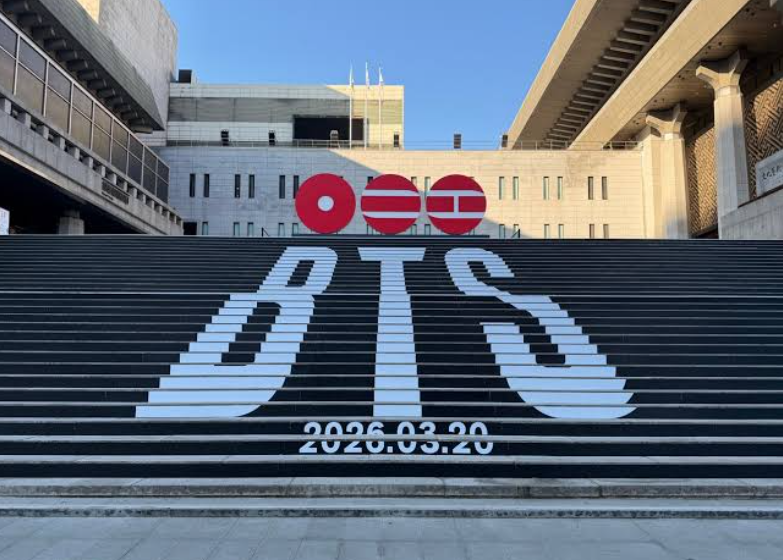
The scheme came to light during the ticket sales phase for BTS' highly anticipated Gwanghwamun concert, scheduled for March 2026. Police were conducting heightened surveillance of ticket transactions on February 23, responding to unprecedented demand for the performance. Investigators discovered that the suspect had successfully obtained nine tickets to the BTS event using her automated purchasing method, effectively monopolising a disproportionate share of available inventory. Authorities intervened before she could proceed with reselling these tickets, preventing substantial profits from this particular transaction.
According to law enforcement estimates, the woman's illegal operation generated approximately 442 million won—equivalent to roughly RM1.47 million or SGD409,000—in criminal proceeds over nearly three years. The scale of this operation underscores how technological sophistication can undermine consumer protection measures designed to democratise access to high-demand entertainment events. Police have initiated proceedings to seize and preserve these alleged criminal assets, preventing their disposal before trial commences and ensuring potential recovery for victims and the state.
The case represents a particularly egregious example of systematic abuse, as the suspect operated with apparent impunity for an extended period, repeatedly circumventing security protocols through methodical account creation and strategic timing. The technology she employed, while relatively accessible to technically inclined individuals, required deliberate intent and sustained effort to execute across thousands of transactions. This distinguishes her case from opportunistic scalpers who manually purchase tickets in limited quantities—she operated a near-industrial scale enterprise targeting one of Asia's most lucrative entertainment sectors.
Parallel investigations have revealed similar schemes operating independently. Police announced a separate case in Ulsan involving a man in his 30s who developed his own macro programme to acquire more than 1,700 K-pop concert tickets between November 2024 and October 2025. This suspect resold the tickets at prices ranging from three to thirteen times their original face value, accumulating approximately 420 million won in profits. The existence of multiple, separately operating scalping networks suggests that automated ticket purchasing has become increasingly normalised among those seeking to exploit the K-pop sector's extraordinary commercial demand.
These prosecutions arrive at a significant juncture in South Korea's regulatory response to ticket fraud. Beginning August 28, amended provisions of the Public Performance Act and the National Sports Promotion Act introduced substantially harsher penalties designed to deter future violations. Under the revised framework, authorities may now impose administrative fines reaching fifty times the value of illegally resold tickets, creating a potential financial liability far exceeding actual profits earned. This escalation represents a deliberate policy choice to make ticket scalping economically irrational, shifting the risk-reward calculation that previously favoured perpetrators.
For Malaysian and Southeast Asian readers, this case illuminates broader vulnerabilities within the digital entertainment ecosystem affecting the region. K-pop's massive popularity extends throughout Malaysia, Singapore, and surrounding nations, with local fans competing for tickets to international tours and regional performances. Ticket-scalping operations do not respect borders—automated purchasing schemes can target any online ticketing platform vulnerable to macro programmes, and offshore reselling networks distribute inflated tickets across Asia through websites and social media platforms. Malaysian ticket buyers have faced similar exploitation, often unaware they purchased from unauthorised resellers rather than official channels.
The technological arms race between scalpers and ticketing platforms reflects a growing challenge for entertainment venues and organisers across Asia. Platforms must continuously upgrade security protocols, implement artificial intelligence-based fraud detection, and collaborate with law enforcement to identify and block automated purchasing attempts. However, determined operators continually develop new workarounds, creating an ongoing dynamic where consumer protection measures require constant evolution. For fans and legitimate purchasers, this escalating complexity often translates into frustrating bottlenecks, captcha challenges, and lottery-based allocation systems designed to prevent precisely the schemes documented in this investigation.
The implications extend beyond individual fan disappointment. Systematic scalping distorts artist economics and venue operations. When thousands of available tickets are diverted to resellers rather than genuine supporters, artists lose accurate data regarding organic demand, venue operators cannot properly plan facilities and services, and the market mechanism that should price tickets according to actual scarcity becomes corrupted by artificial manipulation. In the K-pop industry specifically, where devotion and accessibility are core to fan culture, aggressive scalping undermines the relationship between artists and their audience.
The South Korean government's intensified enforcement and enhanced penalties signal recognition that voluntary compliance and existing measures had proven insufficient. The decision to increase maximum fines to fifty times ticket value creates genuine deterrent potential, transforming what was previously a profitable criminal venture into an economically catastrophic risk. However, enforcement depends on detection—and as these cases demonstrate, sophisticated operations can operate for extended periods before discovery. Future prevention will likely require deeper collaboration between ticketing platforms, concert organisers, and law enforcement, possibly including real-time monitoring systems and industry-wide information sharing regarding known scalping networks and techniques.

