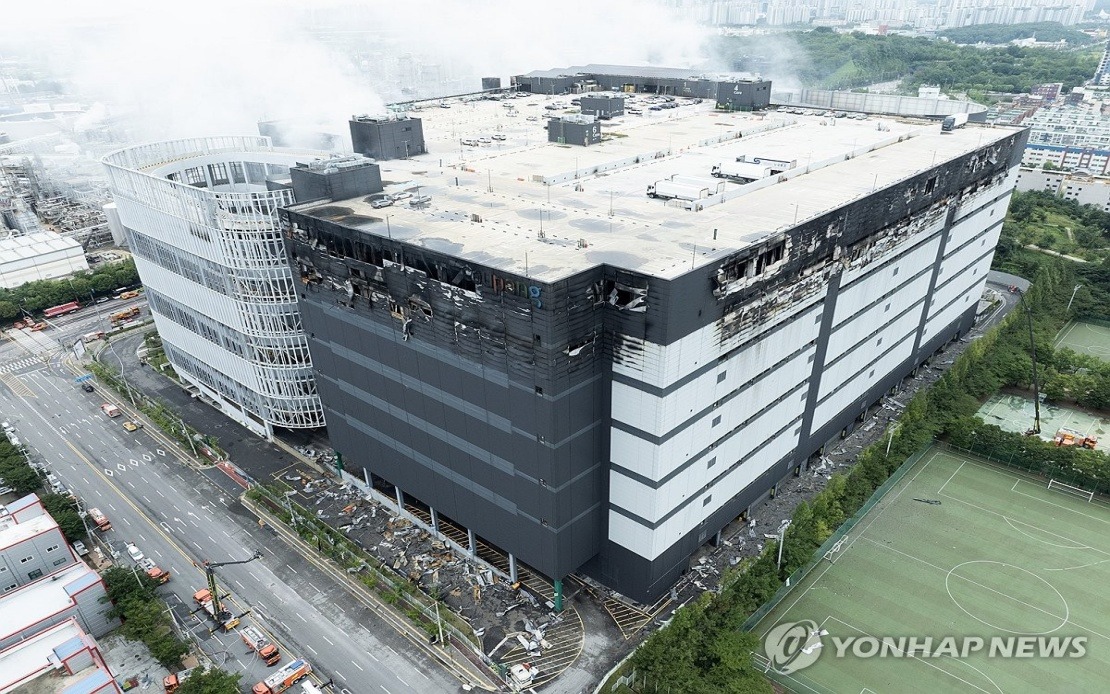
Firefighting authorities in South Korea successfully contained a massive warehouse blaze at a Coupang logistics centre in Incheon on Monday evening, marking the end of a gruelling 61-hour battle against one of the nation's most challenging industrial fires. The Incheon firefighting headquarters declared the situation under initial control at 8 p.m. local time, though full extinguishment and investigation work would continue for days afterwards.
The sheer scale of the firefighting response underscored the severity of the emergency. Authorities mobilised 812 firefighters and deployed 231 pieces of equipment as part of a national-level order issued on Saturday when the fire first erupted. This commitment of resources reflects the South Korean government's prioritisation of the incident and the coordination required across multiple jurisdictions to contain the threat. The logistics hub's strategic importance to the nation's supply chain, combined with the dense residential areas surrounding the facility, elevated the operational complexity considerably.
The warehouse's structural characteristics presented substantial obstacles to containment efforts throughout the three-day ordeal. The complex building layout meant firefighters had difficulty accessing burning sections and preventing fire spread between compartments. Additionally, vast quantities of flammable materials stored inside—typical of a modern e-commerce fulfilment centre—provided abundant fuel that sustained the blaze despite intensive water and foam application. These factors combined to slow progress during the initial two days of firefighting, when crews struggled to advance against the flames.
Breakthrough progress came on Monday with the arrival of rainfall in the region, which provided natural assistance to exhausted firefighting teams. The moisture in the atmosphere and precipitation helped suppress the fire's intensity and prevented new ignition points from developing. This meteorological intervention, combined with the accumulated experience and positioning of equipment over 48 hours, enabled authorities to finally tip the balance in their favour and achieve initial containment status.
The human impact of the disaster extended well beyond the warehouse itself, affecting surrounding communities that depend on the facility for employment and goods distribution. Local authorities issued an evacuation order late Sunday covering all areas within 116 metres of the warehouse's ramp zone, forcing 178 people to seek temporary shelter at nearby schools. This precautionary measure, while disrupting residents' lives, prevented potential casualties from smoke inhalation and structural collapse risks.
The emergency response extended to educational institutions in the vicinity, with local authorities issuing closure orders affecting schools and childcare facilities in the surrounding district. One elementary school and 14 daycare centres remained shuttered on Monday as a precautionary measure to protect children from smoke exposure and potential evacuation complications. These closures represented the broader community disruption caused by a single industrial incident and highlighted the interconnected nature of urban industrial areas and residential zones.
From a regional perspective, the incident carries implications for Southeast Asian countries including Malaysia, where rapid industrial development and e-commerce expansion have similarly led to large logistics facilities being established near populated areas. The Incheon warehouse fire demonstrates the critical importance of strict building codes, fire suppression systems, and evacuation planning in such facilities. Authorities across the region should examine their own safety standards for warehouse complexes, particularly those handling combustible materials or goods.
The South Korean response also illustrates best practices in emergency coordination during industrial crises. The rapid national mobilisation, clear communication to residents, and integration of resources across jurisdictions provide a template for how countries should approach logistics facility emergencies. For Malaysia, where the Klang Valley and Selangor host some of Southeast Asia's largest warehouse complexes serving regional e-commerce distribution, such lessons carry direct relevance to local emergency planning.
Investigators will now focus on determining the fire's origin and cause once it is fully extinguished, examining whether the blaze resulted from equipment malfunction, electrical failure, chemical reaction, or other factors. Such investigation outcomes will inform future safety standards not only in South Korea but across the region, as warehouse operators and regulators elsewhere study the incident. The preliminary control of the fire represents a firefighting success, but the broader lessons about industrial safety in densely populated areas will shape policy discussions for years to come.

