South Korean police have moved into active investigative phase against executives of Shinsegae Group, the operator of Starbucks Korea, over a promotional campaign that inadvertently triggered one of the country's most sensitive historical memories. The Seoul Metropolitan Police Agency questioned Yang Jong-hwan, head of Shinsegae Group's audit team, as a witness, according to a company spokesperson on Thursday, June 18. This development marks an escalation in what has become one of the most damaging corporate controversies in recent South Korean business history, raising questions about how major international brands navigate deeply entrenched national sensitivities.
The central issue stems from Starbucks Korea's May 18 "Tank Day" promotion, which coincided precisely with the 46th anniversary of the Gwangju uprising, a watershed moment in South Korean modern history. The 1980 military crackdown in the southwestern city of Gwangju resulted in the deaths of 165 civilians according to official government records, though historians and civic groups have long contended that the actual casualty figure substantially exceeds this figure. The timing was neither accidental nor obscure—May 18 remains a nationally significant date, deeply embedded in South Korean collective memory as a marker of democratic struggle and military oppression. That Starbucks Korea chose to launch a reusable cup promotion on this particular day without apparent awareness of its historical resonance created an immediate firestorm of public criticism.
The backlash was swift and severe. Shinsegae Group, which operates Starbucks Korea's 2,000-plus locations across the country under a licensing agreement with the international chain, demonstrated initial responsiveness by terminating its Korea chief executive immediately as the scandal broke. However, this damage control measure proved insufficient to quell public anger. The group's chairman Chung Yong-jin subsequently issued a formal public apology, a significant gesture in South Korean corporate culture where such contrition typically carries substantial weight. Yet even these remedial actions failed to prevent further escalation when a civic group filed a formal complaint against Chung and other executives, alleging violations of South Korea's 2016 law governing representation of the 1980 democratic uprising. The complaint additionally invoked defamation and insult provisions, suggesting that the incident was perceived as more than mere negligence.
Shinsegae's subsequent investigation into the circumstances surrounding the promotion revealed a cascade of procedural failures at multiple organizational levels. Company officials signed off on the promotional design without conducting basic verification of the content or its historical implications. This negligence pattern indicates systemic lapses in oversight mechanisms rather than the work of any single individual. The findings underscore how corporate decision-making processes can break down when historical and cultural awareness fails to inform approval protocols. For Starbucks Korea, the situation proved particularly damaging given that South Korea represents the American coffee chain's third-largest market globally, trailing only the United States and China. Any sustained consumer boycott or reputational damage in this market carries significant financial implications for the international corporation.
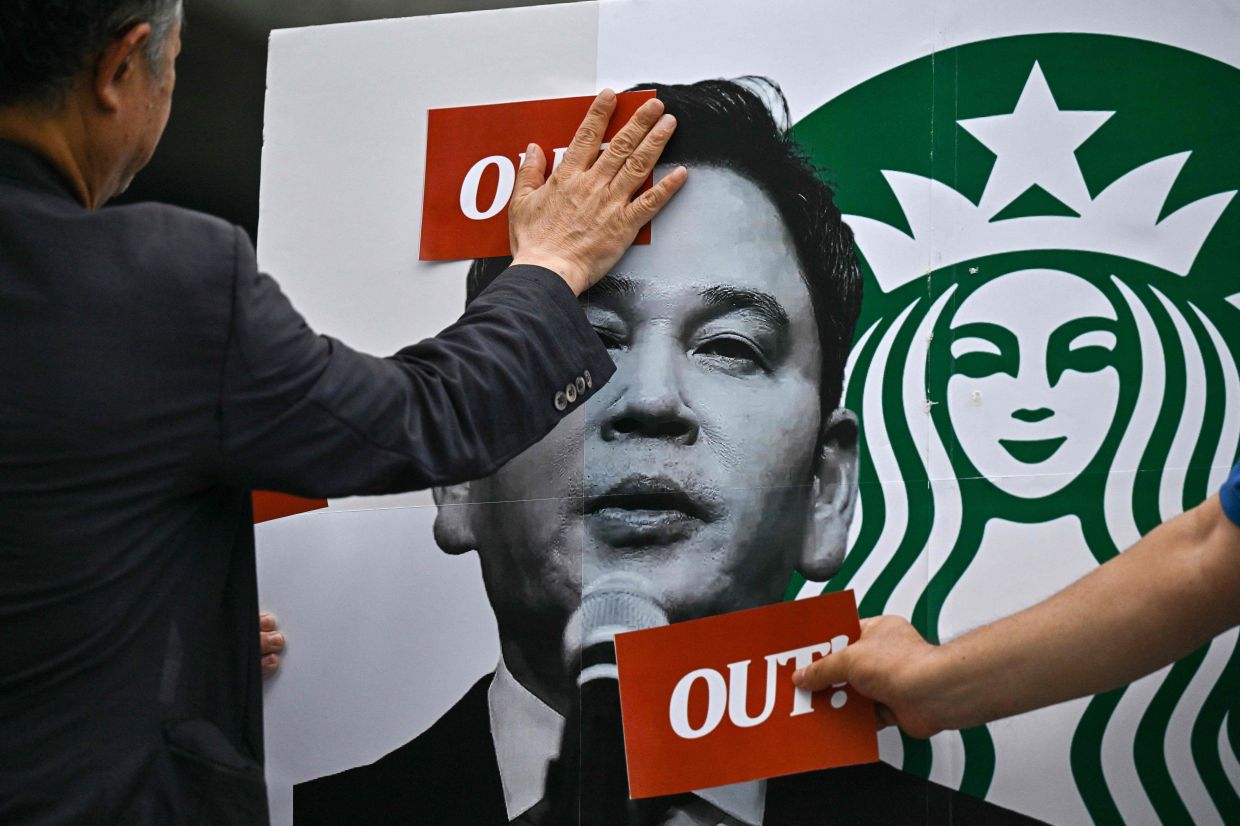
The tangible business impact became apparent almost immediately. Starbucks Korea reported a sharp decline in sales during the immediate aftermath of the scandal, reflecting consumer dissatisfaction expressed through purchasing decisions. Beyond economic consequences, the incident provoked organized public protests in both Seoul and Gwangju, with demonstrators gathering to voice their outrage. These manifestations of anger extended beyond ordinary consumer complaint into the realm of civic and patriotic concern, suggesting that the incident resonated with deeper anxieties about how foreign corporations and domestic businesses handle South Korean historical memory.
Recognizing the severity of the situation and the necessity for broader cultural recalibration, Starbucks Korea announced that all its stores would shut down for half a day to allow staff to attend structured history lessons focusing on the 1980 Gwangju uprising. This educational intervention represents an attempt to institutionalize awareness of the historical context among frontline workers. Two days following this employee education initiative, the chairman and other senior executives of Shinsegae would themselves sit through similar educational programming, signaling organizational commitment to preventing recurrence. Such measures, while noteworthy, also hint at the organizational culture gaps that permitted the initial error.
The political dimension of the controversy should not be overlooked. President Lee Jae Myung publicly expressed outrage at what he characterized as "inhumane and disgraceful conduct," language suggesting that the incident touched upon larger questions of corporate responsibility toward national historical consciousness. Such high-level political commentary intensified pressure on Shinsegae and Starbucks Korea to demonstrate genuine commitment to remediation rather than superficial crisis management.
For multinational corporations operating across Asia, the Starbucks Tank Day incident offers an important cautionary lesson about the complexity of regional markets. What might appear as a routine promotional calendar in corporate headquarters must be cross-referenced against the historical and cultural terrain of each specific market. South Korea's heightened sensitivity to the 1980 Gwangju uprising reflects broader patterns across East Asia, where historical memory remains contested and deeply political. International brands operating in the region must invest in localized expertise that extends beyond marketing and sales into historical and cultural literacy. Failure to do so risks not merely commercial damage but erosion of consumer trust and goodwill built over years of operation.
The police investigation and potential legal ramifications now place accountability squarely on corporate leadership. Whether the investigation concludes with formal charges or administrative findings, the message has been sent: corporations cannot plead ignorance of national historical sensitivities when those events remain central to national identity and civic consciousness. For Southeast Asian contexts where multiple national narratives compete and historical grievances remain unresolved, the Korean case demonstrates how corporate missteps can trigger broader social and political consequences. Starbucks Korea's trajectory through this scandal will likely become a reference point for how multinational corporations should—or should not—navigate historical minefields in their international operations.