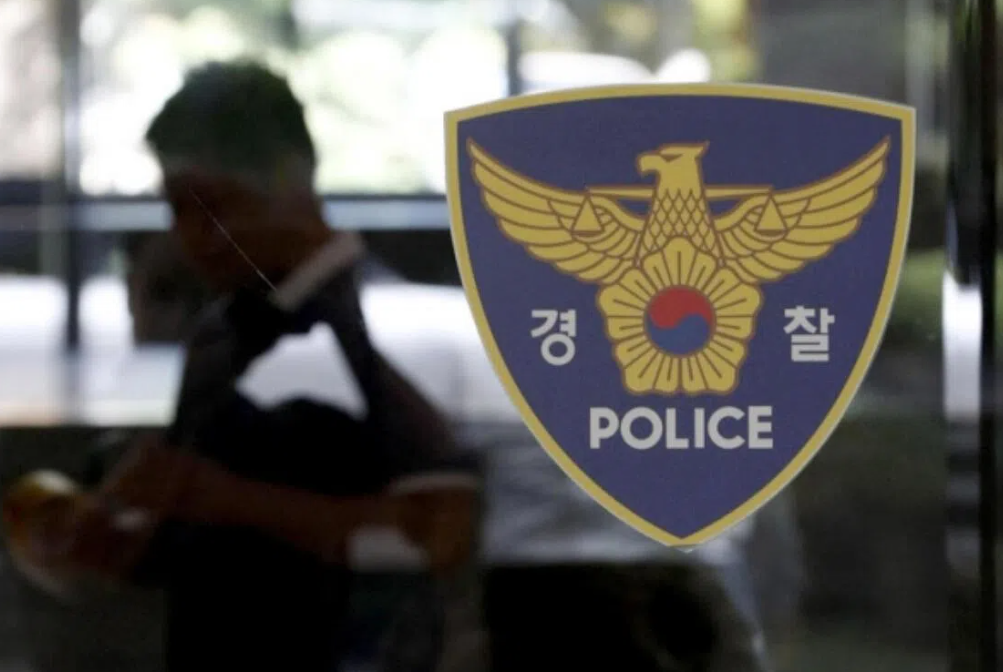
A tragedy unfolded in Incheon, South Korea, when a police officer responding to a routine welfare concern became responsible for the death of the very citizen she had been sent to assist. The officer, who is in her 20s, now faces criminal investigation following the fatal collision that occurred in the early hours of July 3, with authorities at the Incheon Michuhol Police Station formally accusing her of causing death resulting from a traffic accident.
The sequence of events began when emergency services received a distress call reporting that a woman in her 60s had collapsed and lay motionless on a roadway. The young officer was immediately dispatched to the scene to provide assistance and ensure the woman's welfare. However, what should have been a routine response call transformed into a catastrophic incident when the officer's patrol vehicle struck and ran over the victim at approximately 12:45 in the morning.
Investigators have heard the officer's account of the collision, during which she stated she was unable to detect the presence of the victim before impact. Environmental conditions at the time appear to have played a contributing role in the accident. The location near a left turn in the road possessed limited lighting, and officials have indicated that darkness blanketed the area where the collision took place. These factors may have combined to prevent the officer from identifying the prone figure in time to avoid the tragic impact.
The incident has prompted a comprehensive investigative process that extends beyond the initial police statement. Authorities have committed to examining available surveillance footage from the vicinity to reconstruct events and establish a clearer picture of what transpired during those critical moments. This forensic analysis of recorded evidence will be crucial in determining whether the officer's actions fall within the boundaries of reasonable emergency response or whether negligence or procedural violations contributed to the outcome.
The presence of a passenger during the incident—a police sergeant who occupied the front right seat of the patrol vehicle—adds another dimension to the investigation. However, officials have already signaled that the sergeant is unlikely to face disciplinary measures, suggesting that responsibility for the collision will centre on the officer who was operating the vehicle. This distinction reflects a determination that the passenger was not in a position to prevent or meaningfully influence the tragic sequence of events.
The investigation's next phase will determine whether authorities will petition a court for an arrest warrant against the officer. This decision hinges on the conclusions drawn from surveillance footage analysis and the broader inquiry into whether the collision resulted from a genuine accident in hazardous conditions or from a failure to exercise adequate caution during an emergency response. The distinction carries significant implications for both the officer and for public confidence in police procedures.
This incident raises uncomfortable questions about the protocols governing police response to welfare emergencies, particularly during nighttime hours. Officers responding to reports of collapsed persons face inherent operational challenges, as they must navigate dangerous situations while remaining alert to hazards that may themselves pose risk. The case illustrates how emergency responders, despite their intentions to provide assistance, can themselves become involved in dangerous situations where the very act of response carries unpredictable consequences.
For Malaysian observers, the incident underscores the operational complexities that law enforcement agencies throughout Southeast Asia navigate on a daily basis. Police forces across the region frequently respond to welfare concerns and medical emergencies, often with limited information and in challenging environmental conditions. The tragedy in Incheon serves as a sobering reminder of the occupational hazards facing officers who work night shifts and respond to calls requiring rapid assessment and navigation of potentially dangerous scenes.
The case also highlights the importance of standardized training in emergency response procedures and the critical role that technology, including surveillance systems and improved vehicular safety features, can play in preventing such tragedies. As police departments throughout Asia review their own protocols, this incident provides an opportunity to examine whether current procedures adequately protect both the public and the officers tasked with serving them.
Beyond the immediate investigation, the incident will likely prompt discussions about victim support and institutional accountability. The woman's family faces not only the trauma of sudden loss but also the complex emotions surrounding the circumstances of her death. How authorities handle the investigation and any subsequent legal proceedings will reflect broader questions about justice, accountability, and the delicate balance between protecting emergency responders from excessive liability and ensuring that the public maintains confidence in police operations.

