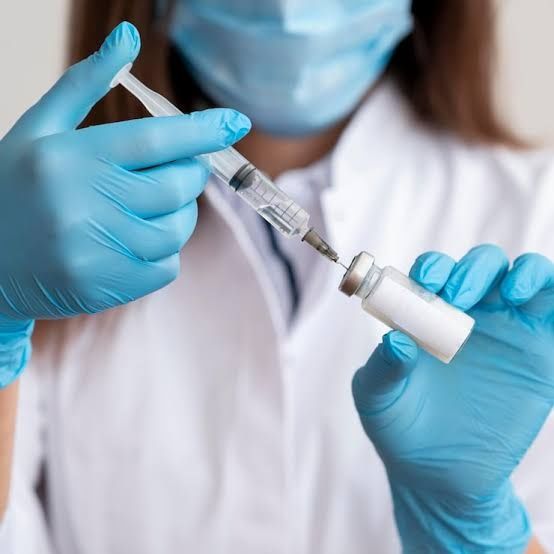
A nurse assistant in Seoul faces charges after authorities discovered she had injected herself with propofol on her inaugural shift at a dermatology clinic located in the upscale Gangnam-gu district. The incident, which came to light on July 7, has triggered fresh scrutiny of drug security protocols across South Korean medical facilities at a time when authorities report escalating abuse of pharmaceutical narcotics in healthcare settings.
The young woman, identified only as being in her twenties, encountered the sedative after locating an already-used syringe containing propofol residue in a clinical waste bin at her workplace. Rather than reporting the discovery or disposing of it safely, she proceeded to administer the substance to herself. Seoul Gangnam Police Station subsequently apprehended her on dual violations of the Narcotics Control Act, beginning a formal investigation into the circumstances surrounding her actions and her medical history.
Propofol occupies a critical role in modern anaesthesia as a rapid-onset intravenous sedative designed to induce unconsciousness for surgical procedures. Medical professionals rely on this potent compound because of its quick action and short duration of effect. However, the drug carries substantial risks when misused outside controlled medical environments. Improper administration can precipitate severe physiological complications, including respiratory depression, cardiovascular instability, and in extreme cases, fatal outcomes. The sedative's accessibility within clinical environments and its euphoric properties have made it an increasing target for substance abuse among healthcare workers globally.
The police investigation has proceeded without holding the suspect in physical custody, reflecting a graduated approach to handling what authorities initially classified as a drug violation. Investigators have prioritised understanding whether the single incident represents an isolated occurrence or forms part of a troubling pattern of habitual drug use. This distinction carries significant implications for both prosecutorial strategy and potential rehabilitation options, should evidence emerge of systemic dependency issues rather than an impulsive single transgression.
The episode arrives during an intensifying period of concern regarding pharmaceutical narcotic consumption in South Korea. Public health advocates and medical professionals have grown increasingly vocal in demanding comprehensive reform of how healthcare institutions store, manage, and ultimately dispose of controlled substances. Current protocols evidently permit scenarios where dangerous medications can be recovered from waste materials, suggesting gaps in waste management procedures and facility-level oversight mechanisms.
Recent statistical evidence underscores the scale of this expanding challenge. During 2025, approximately 20.2 million South Korean residents—representing nearly forty percent of the nation's total population—received at least one prescription involving a medical narcotic. This extraordinary prevalence figure, released in June by the government's Drug Ministry in collaboration with the Korea Institute of Drug Safety and Risk Management, demonstrates how deeply pharmaceutical narcotics have penetrated ordinary healthcare delivery. While these figures encompass legitimate medical prescriptions, they simultaneously illustrate the vastness of the narcotic supply chains operating within the South Korean healthcare ecosystem.
The Gangnam-gu incident exemplifies vulnerabilities within this extensive system. A healthcare facility's failure to ensure proper disposal of narcotic-containing materials created an opportunity for unintended access and abuse. Industry observers note that many South Korean clinics and hospitals, particularly smaller private dermatology and cosmetic surgery practices, may lack the stringent narcotic management infrastructure mandated at larger institutional settings. Such disparities create inconsistent security standards across the healthcare landscape, potentially exposing controlled substances to opportunistic misuse.
For Southeast Asian healthcare administrators and policymakers, including those in Malaysia, the Seoul case offers instructive lessons regarding emerging workplace vulnerabilities. As cosmetic and dermatological procedures become increasingly prevalent across the region, clinics performing these services have correspondingly expanded their use of powerful sedatives and analgesics. Yet many facilities may not have proportionally strengthened their security protocols around these substances. The incident suggests that even a single lapse in waste management discipline can precipitate unauthorised access to dangerous narcotics.
The broader context involves generational factors influencing drug abuse patterns in South Korea. Younger healthcare workers, despite their extensive formal training, may not fully appreciate the addictive potential of pharmaceutical narcotics they encounter daily. Normalisation of these substances within professional environments, combined with work-related stress and readily available access, creates psychological preconditions for impulsive abuse. The nurse assistant's decision to self-administer an unknown quantity of propofol on her first day suggests either serious desperation or alarming misjudgement regarding the substance's potency and inherent dangers.
Critics contend that South Korean healthcare regulation must evolve to address these systemic gaps. Mandatory training programmes emphasising narcotic security, enhanced container designs preventing waste-level recovery, real-time inventory tracking systems, and workplace mental health support for clinical staff have been proposed as corrective measures. Such interventions would require legislative action and substantial financial investment but could meaningfully reduce opportunities for unauthorised access.
The case also underscores an often-overlooked dimension of workplace safety within healthcare settings. While occupational health discussions typically focus on infectious disease exposure or physical injury, narcotic security represents an equally pressing concern demanding systematic attention. Healthcare workers themselves constitute a vulnerable population susceptible to substance dependency, whether through deliberate self-medication or opportunistic access to readily available controlled substances.
As South Korea confronts these challenges through law enforcement and regulatory scrutiny, the episode serves as a cautionary reminder for regional healthcare systems still developing comprehensive narcotic governance frameworks. The intersection of pharmaceutical abundance, institutional vulnerability, and individual susceptibility requires coordinated responses combining security infrastructure, professional accountability, and occupational support systems. Without such multifaceted approaches, similar incidents will likely recur across the region's rapidly expanding healthcare facilities.

