A prominent Seoul restaurateur who runs a two-Michelin-starred establishment now faces potential imprisonment after South Korean prosecutors sought a one-year jail sentence for serving black ants atop palate-cleansing sorbets without regulatory approval. The case, which came before Seoul Western District Court in a Monday hearing, underscores the strict enforcement of food safety protocols in South Korea and raises questions about the boundaries between culinary innovation and legal compliance in the fine dining sector.
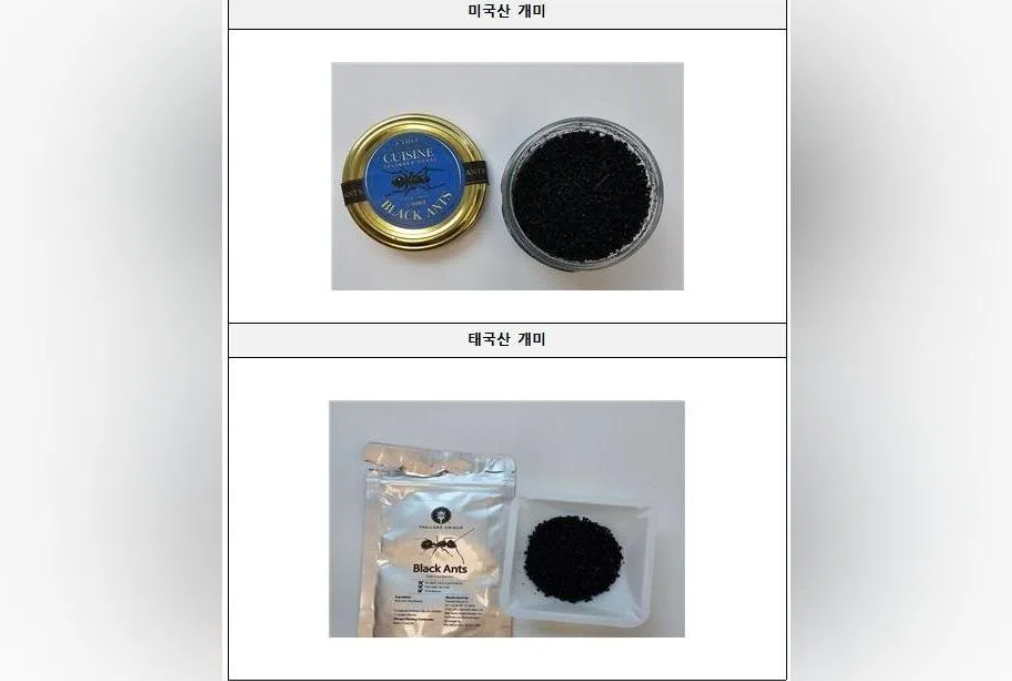
The restaurant owner's alleged practice involved garnishing chilled sorbet desserts with imported black ants, ostensibly to impart a sour flavour to the palate cleanser. According to a South Korean food safety ministry statement, the ants were sourced from outside the country, specifically from Thailand and the United States, making them doubly problematic under national regulations. The case hinges on a fundamental violation: South Korean law explicitly permits only ten insect species for human consumption, a carefully curated list that includes grasshoppers and brown mealworm larvae but notably excludes black ants.
The scope of the alleged transgression extends well beyond a single experimental dish. Authorities revealed that the restaurant continued serving the ant-garnished sorbets over nearly four years, generating approximately 12,000 sales transactions worth 120 million won, equivalent to around US$81,000. This extended period of operation suggests either a deliberate strategy or a systematic misunderstanding of regulations on the part of the restaurant's management. The practice persisted until January 2025, when regulatory scrutiny intensified and the operation reportedly ceased.
Thе investigation commenced last year, suggesting that food safety inspectors became aware of the practice through undisclosed channels and initiated a formal probe. Physical evidence presented during proceedings includes photographs of cans labelled "Cuisine Black Ants" in distinctive round tins, documentation that proved instrumental in establishing the precise nature and sourcing of the controversial ingredient. This tangible evidence effectively negated any ambiguity about whether the ants were indeed deliberately incorporated into the menu offerings.
Beyond the custodial sentence, prosecutors are pursuing additional financial penalties to complement the criminal prosecution. Seoul Western District Court has been asked to impose a 20 million won fine in conjunction with the jail term, doubling the financial impact on the defendant and signalling the seriousness with which authorities view the violation. The combined penalties reflect a comprehensive enforcement strategy intended to deter similar infractions across South Korea's high-end dining sector.
The defendant's legal team mounted a defence grounded in informed consent, arguing that the ant-adorned confections were exclusively served to patrons who had explicitly agreed beforehand to consume them. This argument suggests the restaurant may have framed the dish as an experimental or adventurous culinary offering rather than a standard menu item, potentially positioned for thrill-seeking diners. However, this disclosure arrangement proved insufficient to shield the operation from prosecution, implying that regulatory authorities interpret food safety compliance as non-negotiable regardless of customer knowledge or acceptance.
The restaurant owner acknowledged culpability in his closing statement, offering an apology and attributing the transgression to inadequate comprehension of applicable food safety regulations. This admission, while potentially mitigating, reflects either genuine misunderstanding of South Korea's regulatory framework or a strategic acknowledgement of guilt to facilitate a more lenient sentence from the court. For a Michelin-starred establishment operating at the apex of the fine dining industry, such regulatory ignorance strains credibility, raising speculation about whether the motivation was financial gain through distinctive marketing or intellectual curiosity about insect proteins.
The case illuminates South Korea's stringent approach to food safety governance, particularly in contrast to some neighbouring jurisdictions or Western culinary establishments where insect-based ingredients have gained traction among avant-garde chefs. South Korea's restrictive list of approved insects reflects public health concerns, cultural preferences, and a regulatory philosophy prioritising consumer protection over gastronomic experimentation. The enforcement action sends a clear message that even establishments with prestigious international recognition cannot operate outside these boundaries.
For the regional fine dining industry, including establishments across Southeast Asia, this prosecution carries cautionary implications. As innovative cuisine increasingly incorporates unconventional proteins and ingredients, chefs and restaurateurs must navigate complex and sometimes opaque regulatory frameworks governing food additives and novel ingredients. The South Korean case demonstrates that international acclaim and culinary creativity provide no exemption from local food safety statutes, and that penalties can be substantial for violators regardless of their standing in the hospitality sector.
The ruling, expected in early September, will establish important precedent for how South Korean courts balance culinary innovation against regulatory compliance. Should the court impose the full recommended sentence and fine, it would underscore the primacy of food safety enforcement even in high-end culinary contexts. Conversely, a reduced penalty might indicate judicial recognition of mitigating factors or evolving attitudes toward experimental ingredients, though regulatory experts anticipate a firm outcome given the extended duration and commercial scale of the alleged violations.
For Malaysian and Southeast Asian readers, this case offers perspective on how different jurisdictions structure food safety regulations and the enforcement mechanisms available to authorities. As food tourism and experimental dining concepts expand throughout the region, similar regulatory challenges may emerge. The South Korean precedent suggests that regulatory bodies in neighbouring countries may increasingly scrutinise menu items incorporating non-traditional or non-approved ingredients, particularly if sourced internationally without proper documentation or regulatory approval.

