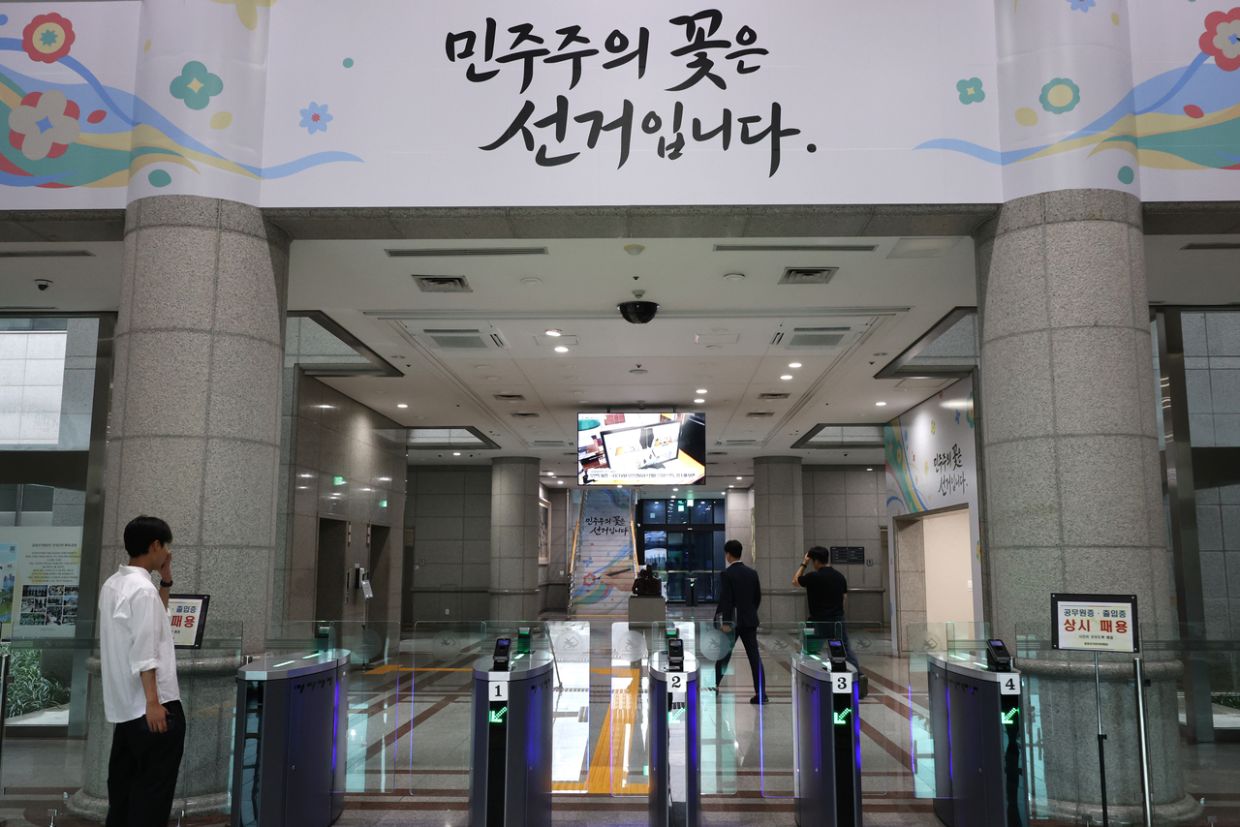
Investigators in South Korea have executed a search warrant at the National Election Commission headquarters in Gwacheon, a municipality located south of Seoul, as part of a widening inquiry into systematic irregularities that marred the country's local elections in June. The operation, carried out by prosecutors and officers from a combined prosecution-police task force, was aimed at gathering evidence related to allegations that employees at the electoral watchdog falsified statistical data within their computer systems to obscure administrative failures involving voter roll discrepancies.
The raid represents an escalation in what has become an increasingly serious examination of the competence and integrity of South Korea's primary electoral institution. The investigation centres on accusations that officials deliberately altered records to hide blunders in how voter numbers were recorded and processed ahead of and during the June 3 poll. This kind of institutional malfeasance strikes at the credibility of democratic processes, particularly when the body tasked with overseeing fair elections stands accused of manipulation itself.
The underlying problem that prompted the inquiry stems from practical failures on polling day itself. Numerous voting stations across the country experienced shortages of ballots, creating a situation where citizens were unable to vote despite presenting themselves at designated locations. These logistical failures were not merely technical glitches but represented a material impediment to the franchise, with some voters forced to leave polling stations without casting their ballots. What began as an operational failure has now transformed into a potentially graver scandal involving alleged cover-up attempts by election officials.
The decision to place the spotlight on how the National Election Commission handled its own records suggests investigators believe the data manipulation was systematic rather than isolated. By tampering with computer systems, the alleged cover-up would have masked the true extent of problems with voter registration and ballot allocation, making it difficult for independent observers or opposition figures to assess what actually went wrong. This dimension of the case indicates possible institutional failures at multiple levels within the organisation.
For Malaysian and Southeast Asian readers, this development underscores broader concerns about electoral administration across the region. While each country maintains different institutional structures and safeguards, the South Korean case highlights how even well-established democracies can face challenges when managing the technical and logistical complexities of conducting nationwide polls. Malaysia's own election management systems, overseen by the Election Commission, operate under scrutiny regarding transparency and impartiality, making this Seoul incident a relevant reference point for understanding how electoral institutions elsewhere grapple with administrative pressures.
The involvement of both prosecutors and police in a joint task force suggests the allegations are being treated with considerable gravity. Such collaborative structures indicate that investigators suspect serious crimes may have been committed, moving beyond merely procedural or administrative matters into territory where criminal intent might be involved. The willingness to raid a government agency's headquarters demonstrates confidence that evidence of wrongdoing exists and needs to be secured before it is potentially destroyed or further concealed.
The National Election Commission's role as the nation's watchdog body makes the allegations particularly damaging to public confidence in the electoral system. Electoral commissions throughout Asia hold considerable responsibility for legitimising democratic processes; when such institutions become subjects of corruption investigations, the reputational damage extends far beyond the immediate scandal. International observers and civil society groups often look to how these bodies conduct themselves and how governments respond to allegations against them as indicators of democratic health.
The timing of the raid, occurring several months after the June elections, suggests investigators have spent considerable time building their case before taking the dramatic step of raiding the commission's headquarters. This methodical approach indicates they likely have substantial preliminary evidence and wish to prevent the destruction of digital records that could prove essential to prosecution efforts. Computer systems typically retain metadata and backup files that forensic investigators can recover, making such raids particularly important in cases involving alleged digital evidence tampering.
The ballot shortage incidents themselves represent a tangible injury to voters' rights during the June elections. When citizens cannot vote due to administrative failures, the fundamental democratic principle of universal suffrage is compromised. If those failures were then compounded by deliberate attempts to conceal their scope and nature, the breach of public trust becomes exponentially more serious. Officials responsible for managing elections bear special duties to transparency and honesty given their control over the mechanisms through which democratic will is expressed.
As the investigation unfolds, it will be worth observing how South Korea's political leadership and judicial system handle the case. The response will signal whether electoral institutions in established democracies are held to meaningful accountability standards when scandals emerge. For countries across Southeast Asia working to strengthen institutional governance and public trust in democratic processes, the South Korean case offers cautionary lessons about the importance of robust oversight mechanisms and genuine political will to investigate electoral institutions without fear or favour.

