Police on South Korea's Jeju Island have launched an investigation into a high school student accused of repeatedly defiling a teacher's workspace through the deliberate deposition of bodily fluids, raising concerns about school safety and the psychological impact of such violations on educators. The Seogwipo Police Station disclosed the case on June 16 after reviewing evidence and interviewing the suspect, who was detained on suspicion of property damage and unlawful trespassing following a tip-off from the school administration.
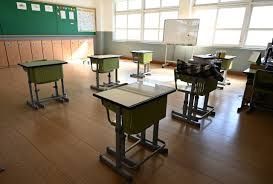
The incidents unfolded across two separate occasions at an elementary school located near the student's high school campus. In April, the teenager allegedly breached the school's security perimeter and entered a classroom belonging to a specific teacher, where he deposited semen inside the educator's personal drinking tumbler. The brazen intrusion went undetected initially, but the violation became apparent when the teacher discovered the contamination and reported it to school authorities.
Rather than ceasing his actions, the suspect returned to the same classroom on June 4 and committed a more overt transgression by urinating on the teacher's chair before departing hastily. This second incident prompted an immediate response from school management, which escalated the matter to law enforcement with greater urgency. The repeated nature of the violations and their escalating character convinced administrators that external intervention was necessary to protect staff and students.
Investigators obtained security footage from surveillance cameras positioned in the corridor adjacent to the compromised classroom, which furnished visual confirmation of the suspect's identity and movement patterns. Armed with this evidence, police apprehended the student on June 8. During preliminary interrogation, the accused individual offered an explanation that strains credibility—he claimed he had merely been seeking bathroom facilities and inadvertently wandered into the teacher's classroom, denying any sexual motivation or specific targeting of the educator involved.
The Jeju Teachers' Union has responded with considerable concern, characterizing the incidents as deeply troubling violations that extend beyond conventional property damage. The organisation emphasises that the affected educator has experienced severe psychological trauma sufficient to prevent her return to her own workspace and regular professional duties. This collateral damage highlights the emotional toll such violations impose on victims, creating lasting disturbance that undermines the teacher's ability to perform her responsibilities.
Detectives are pursuing multiple investigative angles to determine whether the acts constituted sexually motivated crimes directed at an identifiable target. The deliberate nature of the intrusions, combined with their timing and the specific personal items targeted, suggests possibilities beyond the student's stated explanation of accidentally seeking a restroom. Police are exploring the acquisition of warrants to examine the suspect's mobile telephone, computer systems, and other digital devices for evidence of premeditation, communications, or patterns of behaviour that might illuminate his motivations.
The case reflects broader concerns in South Korean schools regarding campus security vulnerabilities and the capacity of educational facilities to protect both physical assets and the dignity of staff members. Elementary and high school campuses routinely host multiple buildings with numerous access points, creating logistical challenges for comprehensive security monitoring. The incident demonstrates that even established institutions may struggle to prevent determined individuals from penetrating restricted areas during operational hours.
From a regional perspective, such incidents contribute to evolving discussions across Southeast Asia and East Asia regarding workplace safety, dignity, and the psychological well-being of education professionals. Schools throughout the region have increasingly implemented enhanced security measures, including upgraded CCTV systems and restricted building access protocols, in response to similar violations. Malaysia and other neighbouring countries monitor developments in South Korea's approach to such cases, as educational administrators seek to balance campus accessibility with appropriate safety safeguards.
The investigation's progression will likely hinge on digital forensics and any potential communications the suspect may have maintained regarding the targeted teacher. Law enforcement agencies in South Korea have developed sophisticated capacity for examining digital devices to reconstruct user intent and activity timelines. Should the warrants be approved, examiners will search for evidence of previous research into the teacher's routines, classroom layout familiarity, or communications discussing the incidents.
Educators in the region continue advocating for institutional protocols that take such violations seriously, recognising that individual incidents can have substantial ripple effects on institutional confidence and professional morale. The case underscores the necessity for schools to respond promptly when boundaries are violated and to support affected staff through psychological counselling and occupational reintegration assistance.