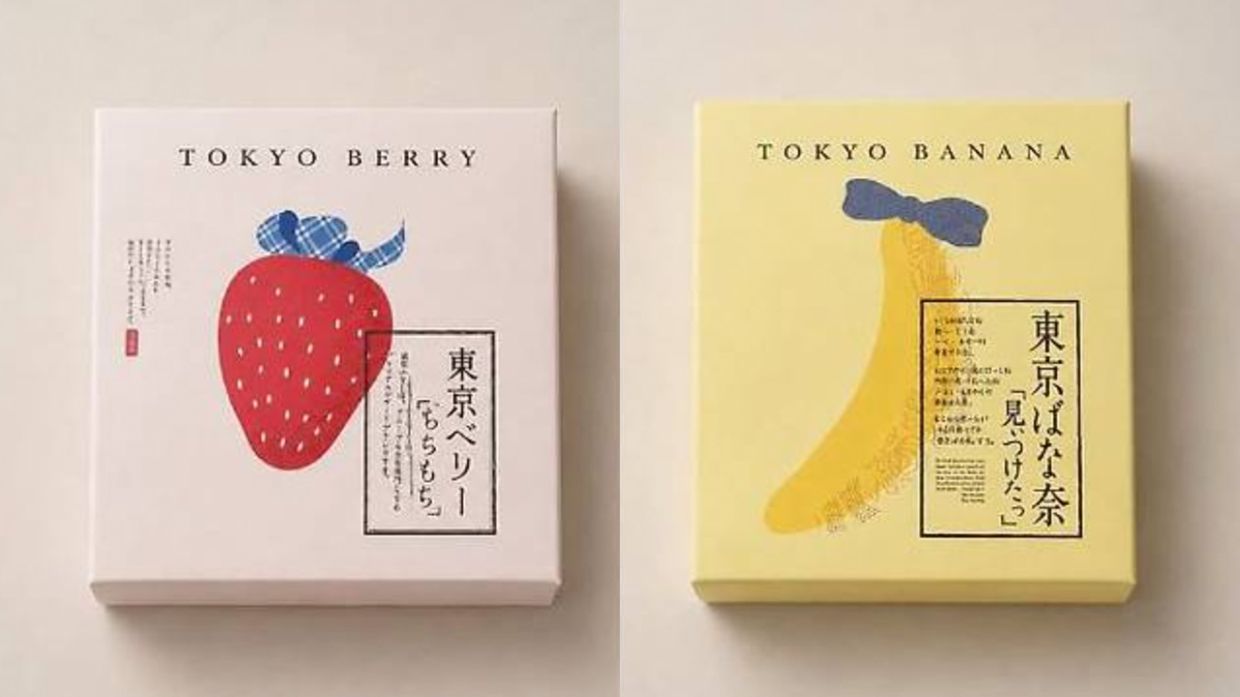
A fresh food scandal is unfolding in East Asia as Seoul-based Tokyo Berry, an upstart Korean dessert maker, stands accused of closely imitating the visual identity and branding of Tokyo Banana, Japan's widely celebrated confectionery export. The controversy has ignited significant backlash across social media platforms, where consumers have been circulating side-by-side photographs comparing the packaging of both brands, with critics arguing the similarities are too pronounced to be coincidental. The row highlights mounting tensions around intellectual property and brand integrity in the competitive regional food and beverage sector, where distinctive packaging and design often function as key differentiation tools.
Tokyo Banana, manufactured by Japanese company Grapestone, has established itself as an iconic confectionery brand known for its distinctive banana-shaped sponge cakes. The brand enjoys substantial market recognition throughout East Asia and beyond, with loyal consumers who specifically seek out its products when travelling or making purchases at duty-free locations. Its success has spawned numerous imitators and inspired competitors, but the Tokyo Berry case represents a particularly visible instance of alleged design replication that has captured public attention. Grapestone, the rights holder, has acknowledged awareness of the matter and stated it is reviewing the allegations through relevant internal channels, though the company has not yet issued formal legal action.
Tokyo Berry's entry into the South Korean market was marked by aggressive promotional strategy and rapid expansion. The brand established pop-up retail locations across major department stores including Lotte and Shinsegae, South Korea's premier shopping destinations, where the outlets generated substantial foot traffic and consumer interest. In its marketing materials, the company employed messaging that emphasised connections to Tokyo and Japanese aesthetic sensibilities, describing its mission as "capturing the flavours of seasonal fruits and the essence of Tokyo". This positioning strategy appears to have deliberately invoked associations with Japan's culinary heritage, even as the brand itself is entirely South Korean in origin and ownership.
The deceptive marketing approach contributed to consumer confusion about the brand's actual provenance. Many purchasers apparently believed Tokyo Berry was a Japanese import or a subsidiary operation of an established Japanese confectionery firm, an assumption that the company's branding strategy actively encouraged. Once the truth emerged—that Tokyo Berry was a Korean venture inspired by Tokyo Banana—significant portions of the online community reacted with criticism and embarrassment. Social media users characterised the situation as reflecting poorly on Korean business practices and as representing a failure to develop original product concepts and designs that could stand independently in the marketplace.
The backlash intensified when consumers and industry observers identified additional layers of alleged copying beyond the Tokyo Banana resemblance. Critics pointed out that Tokyo Berry's internal packaging appeared to draw inspiration from Hanjungsun, a premium Korean dessert brand specialising in chapssaltteok, a traditional rice cake filled with sweet fillings. Hanjungsun distinguishes its products through the use of hanji, traditional Korean paper, as wrapping material—a distinctive and culturally resonant choice. The apparent replication of this packaging approach across multiple heritage brands suggested a pattern of design borrowing rather than isolated coincidence, deepening scepticism about the company's creative processes.
Facing mounting criticism, Tokyo Berry moved quickly to limit damage to its public image. The company restricted access to its promotional Instagram account by disabling comments and archiving previous posts, effectively muting the conversation space where dissatisfied consumers and critical observers had been expressing their concerns. This defensive posture, while common in crisis management scenarios, typically signals acknowledgment of wrongdoing and tends to amplify rather than diminish negative sentiment. The communications strategy appeared reactive rather than proactive, failing to address substantive concerns about design originality or to articulate a coherent narrative explaining the brand's creative development process.
Retail partners responded decisively to the escalating controversy. Department store officials confirmed to local media that all scheduled Tokyo Berry pop-up store locations would be cancelled going forward, withdrawing the brand from premium retail spaces where it had generated significant consumer traffic. This retreat represents a substantial commercial setback for a newly launched venture and underscores the reputational risks that brands face when confronted with credible allegations of intellectual property infringement or deceptive marketing practices. For South Korean retailers, distancing themselves from the brand helps protect their own brand equity and consumer trust.
The incident reflects broader dynamics in the East Asian food and beverage market, where Korean companies have increasingly invested in product development and export strategy to compete with established Japanese brands. Seoul's thriving food culture and innovative culinary scene have generated genuine competitive advantages, yet the Tokyo Berry case demonstrates how shortcuts in original design work can undermine years of brand building and market positioning. The controversy serves as a cautionary reminder that long-term commercial success depends on authentic differentiation and consumer trust rather than replication of competitor strategies.
For Malaysian and Southeast Asian readers, the Tokyo Berry controversy offers instructive lessons about brand development and competitive ethics in increasingly crowded consumer markets. As regional food and beverage companies expand across borders and compete for premium retail placements, questions of original design and authentic brand positioning become increasingly consequential. The case also illustrates how social media has empowered consumers to rapidly identify and publicise potential intellectual property violations, forcing companies to operate with greater transparency and accountability. Beyond the immediate commercial implications, the incident highlights cultural dimensions of food branding, where authentic connection to culinary heritage—whether Korean, Japanese, or otherwise—carries significant weight with discerning regional consumers who value originality and cultural authenticity in their purchasing decisions.

