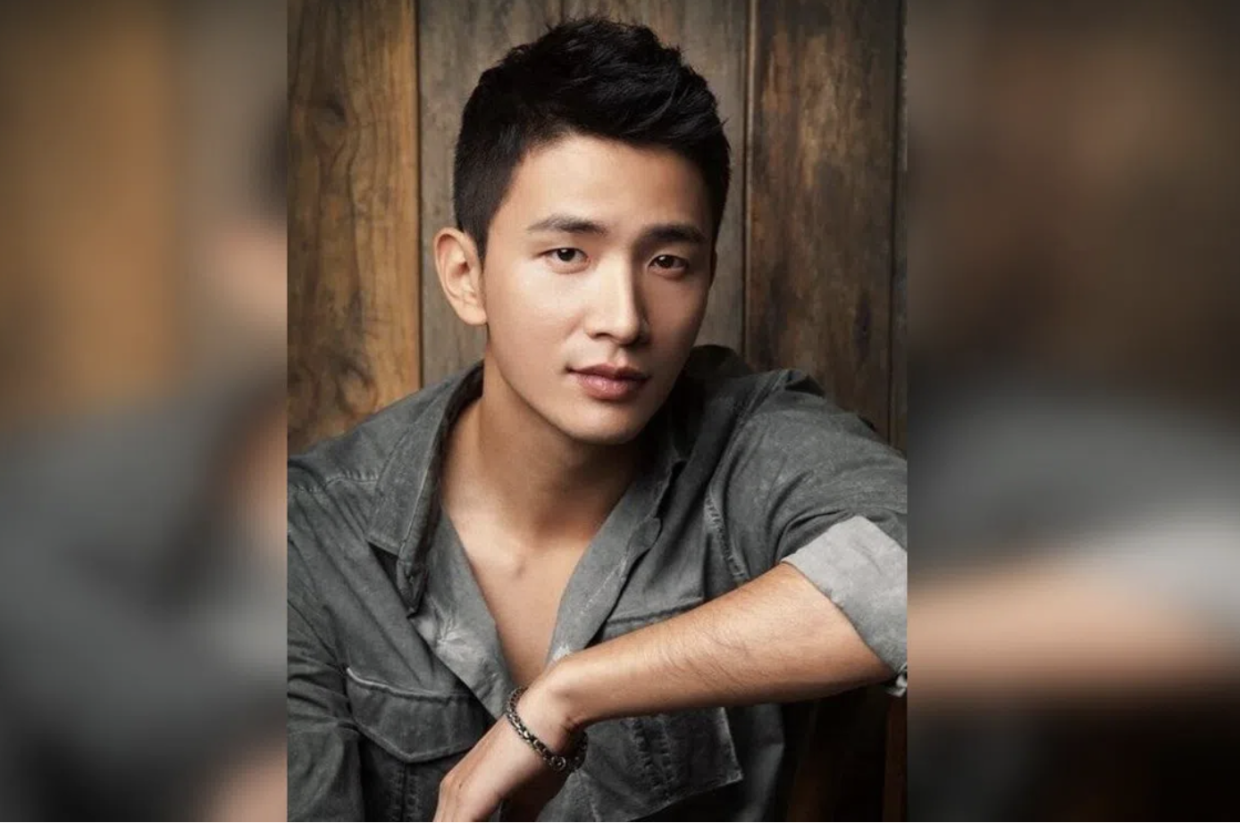
The South Korean entertainment industry has lost a familiar face with the sudden death of actor Lee Yong-joo, who achieved notable recognition through his appearances in the beloved 2006 drama series Princess Hours and the tvN sitcom Blue Tower from 2013 to 2014. Lee passed away on August 29 at the age of 44 after suffering a cardiac arrest, according to reports from South Korean media outlets. The unexpected nature of his death shocked both colleagues and fans, with a close friend announcing the news through social media and requesting that people remember Lee fondly as he embarked on his final journey.
Lee's passing has cast renewed focus on a pre-existing heart condition that he had previously disclosed to the public. In 2013, during promotional activities for Blue Tower, the actor revealed that he had undergone medical evaluation and been diagnosed with hypertrophic cardiomyopathy—a serious medical condition characterised by abnormal thickening of the heart muscle. This diagnosis had significant consequences for his life, as it led to his exemption from South Korea's mandatory military service, a requirement that typically applies to all able-bodied male citizens. The revelation at that time also highlighted a family health concern, as Lee mentioned that his own mother had experienced hospitalisation due to the identical condition.
The family's medical history prompted medical professionals to recommend that relatives of Lee undergo comprehensive health screening due to the potentially hereditary nature of hypertrophic cardiomyopathy. Following these medical assessments, Lee received his formal diagnosis. The condition represents a serious cardiovascular concern and may have significantly influenced the trajectory of both his health management and his career decisions throughout his adult life. The connection between his previously disclosed heart condition and his untimely death underscores the serious health challenges he had been navigating behind the scenes of his public career.
Lee's path into the entertainment world began through modelling before transitioning into acting roles. His first credited film appearance came in 2004 with a minor role in Doma Ahn Jung-geun. He subsequently secured roles in television productions including MBC's Hello, Francesca, which aired from 2005 to 2006, positioning him for more prominent opportunities in the industry. His breakthrough moment came through Princess Hours, the widely watched 2006 drama in which he portrayed Jang Kyung, a high school acquaintance of the main character Crown Prince Lee Shin, a role that brought significant recognition to actor Ju Ji-hoon.
Throughout the late 2000s and 2010s, Lee maintained steady work across various television formats and genres. He appeared in the 2007 comedy series Unstoppable Marriage and became a recurring presence in the Rude Miss Young-ae franchise, which enjoyed an extended run spanning from 2007 through 2019. Additional credits included appearances in The Women's Room in 2013, Let's Eat that same year, and My Unfortunate Boyfriend in 2015. These varied roles demonstrated his versatility as a performer and helped him cultivate a dedicated following among Korean drama enthusiasts across the region.
Lee's participation in Blue Tower proved particularly significant for his career trajectory and public profile. In the sitcom, he took on the role of a military recruit, a casting choice that carried particular resonance given his documented exemption from actual military service. His lack of military experience became an intriguing element of both his public narrative and the storyline development for the series. The show provided him with substantial comedic material and helped broaden his appeal to audiences, cementing his status as a recognisable figure in Korean television entertainment during the early to mid-2010s.
For audiences throughout Southeast Asia who have engaged with Korean dramas through streaming platforms and regional broadcasting networks, Lee's work in Princess Hours remains particularly memorable. The series, which captivated viewers with its romantic storyline and palace intrigue, introduced many regional viewers to Korean drama conventions and helped popularise the genre across the region. Lee's characterisation as the supportive friend provided crucial emotional grounding and comic relief to the narrative, making him a familiar presence to millions of viewers who grew up watching the series or discovered it through subsequent reruns and online platforms.
The sudden nature of Lee's death at a relatively young age raises important conversations within both South Korea and the broader East Asian entertainment industry about occupational pressures, health monitoring, and the demands placed on performers. For actors managing pre-existing serious health conditions, the combination of irregular schedules, stress, and the physical demands of performance can create compounded health risks. Lee's death serves as a sobering reminder of the importance of accessible healthcare, regular medical monitoring, and workplace environments that accommodate those living with chronic conditions.
Funeral arrangements have been made at Room 5 of the Bundang Jesaeng Hospital Funeral Hall located in Seongnam, Gyeonggi Province. The funeral procession was scheduled for August 31 at 6:30 in the morning, with final interment planned for the Seongnam City Funeral Culture Complex. These arrangements reflect the significance afforded to Lee within the entertainment community and provide a space for colleagues, friends, and fans to pay their final respects to the actor whose career spanned nearly two decades in South Korean television and film.

