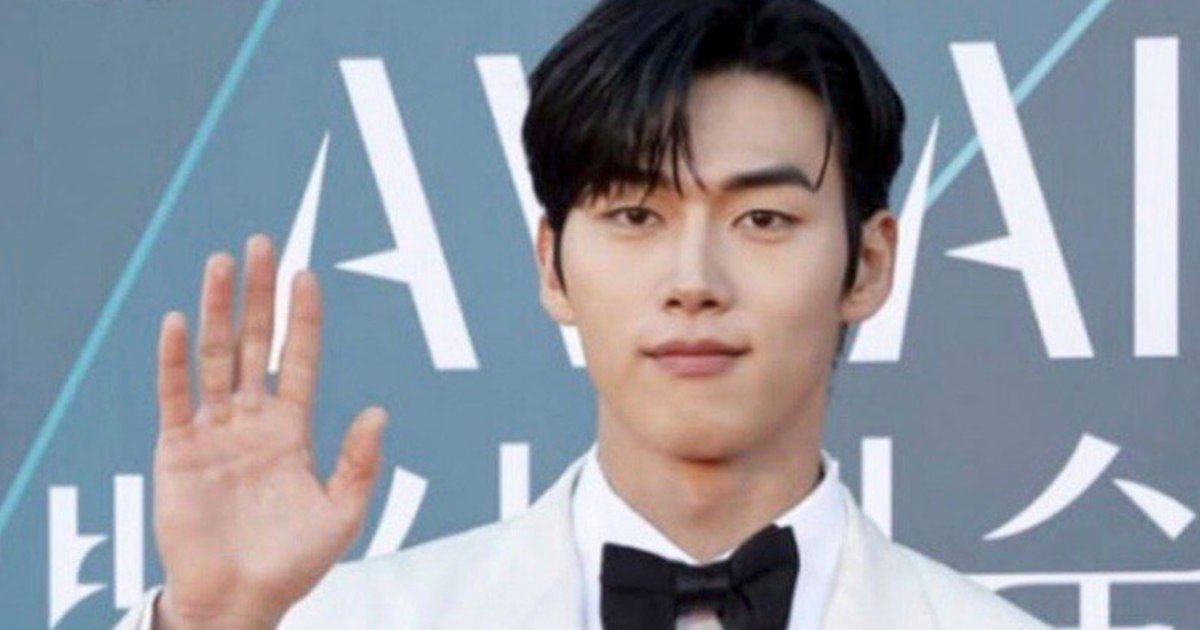
The South Korean entertainment industry faces fresh controversy as actor Hong Min-gi confronts serious allegations of mistreatment from a former romantic partner. The unnamed influencer, referred to publicly as A, has come forward with claims encompassing both verbal and physical abuse during their relationship. The accusations mark another chapter in a series of personal conduct scandals that have periodically roiled Seoul's competitive and image-conscious showbiz landscape.
Hong Min-gi's management agency responded swiftly to the allegations, issuing a categorical denial of all claims levelled against the performer. Rather than attempting to settle matters quietly, the agency adopted an aggressive posture, signalling its intention to pursue legal remedies against the accuser. This strategy reflects a broader shift in how some Korean entertainment figures now handle allegations, moving away from public silence towards active courtroom defence. The move carries significant implications for how future disputes between celebrities and their former partners might be adjudicated.
The timing of the revelation underscores a cultural moment in South Korea where victims increasingly feel empowered to speak publicly about alleged mistreatment, particularly following the broader #MeToo movement that swept through Korean society in recent years. Influencers and public figures possess substantial platforms to amplify their narratives, fundamentally altering the power dynamics that once allowed alleged misconduct to remain hidden. The identification of the accuser as an influencer—rather than a private citizen—adds another layer of complexity, as both parties operate within content creation ecosystems where public perception directly affects their livelihoods and professional opportunities.
The nature of the allegations, spanning both verbal and physical dimensions, suggests a pattern rather than isolated incidents. Verbal abuse in intimate relationships often precedes or accompanies physical misconduct, according to domestic violence specialists. The fact that these claims have now surfaced publicly indicates either a breakdown in confidentiality agreements that might have existed between the parties, or a deliberate decision by the accuser to bypass private dispute resolution mechanisms in favour of public accountability.
Hong Min-gi's agency's commitment to legal action represents a calculated gamble. Pursuing litigation in South Korean courts means subjecting the allegations to evidentiary scrutiny, establishing documented records that will persist indefinitely. For the actor, this approach carries reputational risk even if the legal proceedings ultimately vindicate him, as the mere existence of charges can influence public perception and casting decisions within an industry where image remains paramount. Conversely, declining to challenge the allegations could be interpreted as tacit admission of guilt, effectively ending his career prospects.
The South Korean legal system has increasingly been called upon to adjudicate celebrity misconduct cases, creating a body of jurisprudence around defamation, false accusation, and abuse allegations. Courts have demonstrated willingness to hold both accusers and the accused accountable, particularly when evidence of fabrication surfaces. This creates genuine consequences for either party making unsubstantiated claims, adding weight to whatever account eventually prevails in proceedings.
For Malaysian audiences, this incident reflects dynamics increasingly visible across East and Southeast Asia, where entertainment industries grapple with evolving standards around professional conduct and personal behaviour. The willingness of alleged victims to come forward publicly, combined with the accessibility of social media platforms, has fundamentally altered how entertainment sectors must manage reputational crises. Malaysian entertainment professionals and agencies are similarly navigating these shifting expectations, particularly as audiences demand greater accountability from their cultural icons.
The broader implications extend beyond Hong Min-gi's individual case. The entertainment business in South Korea, much like the Malaysian and broader Southeast Asian creative industries, depends heavily on audience trust and brand partnerships. A single allegation, even one later disproven, can trigger commercial consequences including cancelled endorsements, withdrawn film projects, and social media boycotts. These cascading effects operate independently of legal outcomes, creating powerful incentives for both accusers and the accused to manage public narratives alongside formal legal proceedings.
The path forward remains uncertain. Hong Min-gi's agency has staked considerable institutional credibility on the veracity of its denial. Should the legal process reveal evidence supporting the accuser's claims, the agency's aggressive stance will amplify the reputational damage. Conversely, if evidence exonerates the actor, the legal vindication may prove insufficient to restore his career trajectory, depending on the duration and intensity of public controversy. This dynamic reveals how modern celebrity scandals operate across multiple simultaneous systems—legal, commercial, and social—that function according to different evidentiary standards and timelines.

