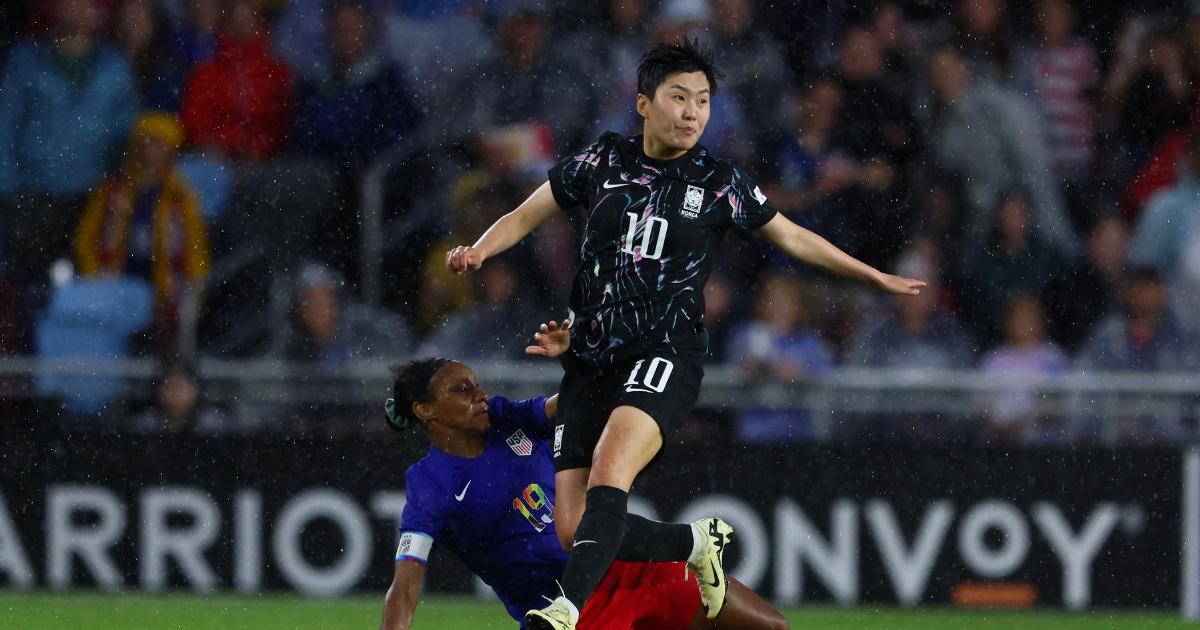
South Korea's women's football governing body initiated a formal inquiry on Monday following serious allegations of inappropriate conduct during a domestic competition. The accusation centres on remarks allegedly made by a female referee toward Ji So-yun, a prominent midfielder who previously played for English club Chelsea, with reports suggesting the official made derogatory comments referencing menstruation during the match.
The incident has drawn considerable attention in a nation where professional women's football has been steadily gaining visibility and support over recent years. Ji So-yun's international profile, built through her years in European leagues and her role in South Korea's national team, has amplified the case beyond typical domestic sporting disputes. Such allegations strike at fundamental questions of respect and professionalism within the sport, particularly concerning how female athletes are treated by match officials.
The federation's decision to investigate signals acknowledgement of the severity of the complaint and suggests a commitment to establishing what occurred during the match. The investigation will likely examine witness testimonies, video footage if available, and statements from both the referee and the player involved. This formal process reflects broader efforts across Asian and global football to maintain standards of conduct and prevent behaviour that undermines the dignity of athletes competing at any level.
Menstruation-related comments directed at female athletes represent a troubling pattern that occasionally surfaces in competitive sports. Such remarks, whether intended as insult or casual observation, can constitute harassment and reflect outdated attitudes toward women's participation in athletics. The incident underscores ongoing challenges faced by female footballers who navigate not only competitive pressures but also occasional dismissive treatment based on gender.
South Korea's women's football programme has invested significantly in developing professional leagues and raising the standard of play. The K League Women and related domestic competitions have attracted increasing sponsorship and media attention. However, the sport's growth depends not only on talent development and infrastructure but also on fostering an environment where players are treated professionally and respectfully by all stakeholders, including referees and officials.
Ji So-yun's background adds particular weight to this incident. Her move to Chelsea represented a milestone for Korean women's football, demonstrating the capacity of domestic talent to compete at elite European levels. Her subsequent return to play in the Korean league has helped elevate the profile of domestic competitions. When players of such calibre experience disrespectful treatment from officials, it raises questions about workplace culture throughout the system.
The investigation's outcome will likely influence how referees are trained and monitored across South Korean women's football. Most governing bodies have established codes of conduct for match officials that extend beyond purely technical aspects of officiating to encompass professional demeanour and respect for all participants. If misconduct is substantiated, the federation may implement strengthened training protocols or disciplinary measures to prevent recurrence.
For Malaysian football observers, this incident carries relevance beyond South Korea's borders. Women's football across Southeast Asia continues its own developmental trajectory, with leagues in Malaysia, Thailand, Vietnam and other nations expanding opportunities for female players. The treatment of athletes by officials and organisational structures directly impacts participation rates and the sustainability of professional pathways for women in the sport. Standards established in larger markets like South Korea often influence approaches taken regionally.
The broader context involves global discussions about gender equity in sports administration and officiating. Women referees themselves have worked to establish credibility and professional standing in football, gradually gaining appointments to higher-profile matches. Allegations that female officials engage in disrespectful conduct toward players complicate these advancement efforts and risk reinforcing stereotypes that undermine progress in making officiating a genuinely inclusive profession.
The federation's response will be closely monitored by players, officials, media and supporters throughout South Korean women's football. A thorough, transparent investigation that prioritises factual findings over institutional protection sends important signals about the sport's values. Conversely, any perception of inadequate scrutiny or lenient treatment of substantiated misconduct could damage confidence in the system's commitment to professional standards.
For players considering careers in women's football, workplace safety and respectful treatment rank alongside competitive opportunities and financial compensation. Incidents like these, if inadequately addressed, can discourage talented athletes from pursuing careers in the sport. Conversely, demonstrated accountability strengthens the sport's appeal by establishing clear expectations for professional behaviour at all levels of involvement.
The investigation into the alleged remarks represents more than a dispute between individual participants. It reflects broader questions about how women's football environments are structured, who holds positions of authority within these systems, and what standards of conduct are genuinely enforced rather than merely stated in policy documents. The federation's handling of this matter will provide meaningful insight into South Korean women's football's commitment to substantive change rather than performative gestures.

