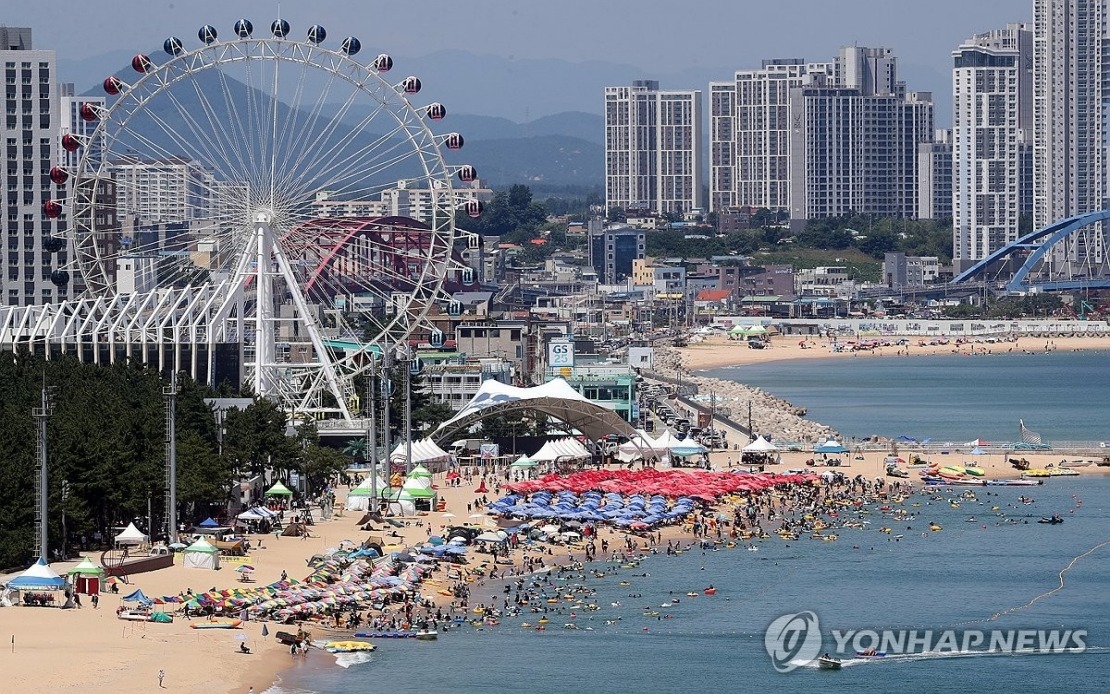
South Korea is grappling with an extraordinary heat emergency that has shattered temperature records across the peninsula. On Sunday, August 2, the southeastern city of Yangsan became the epicentre of this meteorological crisis, recording a blistering 42.5°C—surpassing any temperature measurement since the nation began systematic weather observations in 1904. The mercury climbed steadily throughout the afternoon, reaching 42°C at 1:16 p.m. and peaking at 42.5°C just ten minutes later, according to data from the Korea Meteorological Administration, which maintains 97 long-term observation stations across the country.
The significance of this record cannot be overstated for a nation accustomed to monitoring climate patterns over more than a century. That Yangsan, situated roughly 310 kilometres southeast of Seoul, has become the baseline for extreme heat in the modern era underscores how rapidly weather patterns are intensifying in East Asia. The city's unprecedented readings arrive amid growing international concern about climate change impacts on densely populated regions, where millions depend on functioning infrastructure to survive extreme conditions.
What makes the current situation particularly alarming is the trajectory of temperature escalation within Yangsan itself. The timing at which the mercury crosses the 40°C threshold has been advancing earlier with each passing day, suggesting that heat accumulation is reaching critical levels. Meteorologists and emergency officials have voiced serious apprehension that temperatures could potentially breach the 43°C barrier in coming days if the pattern persists. This marks the fifth consecutive day on which Yangsan has recorded temperatures exceeding 40°C, indicating a heat wave of unusual persistence rather than a fleeting spike.
Neighbouring cities have also fallen victim to the extreme conditions. Gyeongju, located approximately 240 kilometres southeast of Seoul, registered 40.2°C by 1:55 p.m. on Sunday, representing the first occasion this year when the city has experienced temperatures above the 40°C mark. This figure also represents the highest temperature Gyeongju has recorded in eight years, with the previous high of 39.8°C dating back to 2018. The geographic clustering of record temperatures in the southeastern region suggests that a localised atmospheric phenomenon is intensifying heat retention in this zone, making the area particularly vulnerable to heat-related health emergencies.
The South Korean government has responded with institutional urgency that reflects the gravity of the crisis. A Level 2 emergency operation status was activated at 1 p.m. on Sunday, mobilising the disaster response headquarters to coordinate a nationwide reaction to the extreme heat threat. This classification represents a significant escalation in governmental response capacity, enabling inter-agency coordination and resource prioritisation across multiple sectors including public health, utilities, and emergency services. Prime Minister Han Seong-sook issued formal emergency directives ordering all government ministries and provincial administrations to intensify safety protocols for the populations most vulnerable to heat exposure, particularly elderly citizens, young children, and those with pre-existing medical conditions.
Practical measures have been swiftly implemented to mitigate the consequences of the record temperatures. The government has explicitly advised the broader public to minimise outdoor activities and adhere strictly to established safety protocols during extreme heat conditions. Additionally, Prime Minister Han's emergency orders emphasised the critical importance of maintaining uninterrupted power supply and water delivery across the nation. These utilities are essential for operating cooling centres, air conditioning systems in homes and offices, and water supply networks that become strained during periods of intense heat. Any breakdown in these services could rapidly escalate from an inconvenience to a life-threatening situation affecting millions.
The implications of this heat event extend beyond South Korea's immediate crisis management challenges. The peninsula's experience with record-breaking temperatures carries significant relevance for the broader Southeast Asian region, including Malaysia and neighbouring countries. As global temperatures continue to rise, the frequency and intensity of heat waves are expected to increase across East and Southeast Asia, where population density and rapid urbanisation create particular vulnerability. Malaysia, situated in the tropical zone and already experiencing high ambient temperatures year-round, faces the prospect of even more extreme conditions that could strain public health systems, disrupt economic productivity, and exacerbate water scarcity during peak heat periods.
The historical context of this record is instructive. Since 1904, South Korea has maintained continuous meteorological observations through an extensive network of monitoring stations. That this record has stood for 119 years and only now has been decisively broken suggests that current atmospheric conditions represent a marked departure from historical patterns. The acceleration in extreme heat events in recent years, documented through such comprehensive long-term records, provides compelling evidence that the climate system in this region is undergoing substantive change. This reality demands that governments throughout Asia, including those in Southeast Asia, invest in heat resilience infrastructure, early warning systems, and public health preparedness.
For Malaysian policymakers and planners, the South Korean experience offers a cautionary lesson and practical insights. The speed at which temperatures can escalate during heat waves—as evidenced by Yangsan's daily progression toward potential 43°C readings—demonstrates that preparedness must extend beyond passive advice to engage active infrastructure management. Malaysia's tropical climate means baseline temperatures are already considerably elevated, reducing the thermal buffer available before conditions become genuinely dangerous. Investment in renewable cooling centres, improved urban design to reduce heat island effects, and robust monitoring networks comparable to the Korea Meteorological Administration's system could prove essential as extreme heat events become more frequent across the region.

