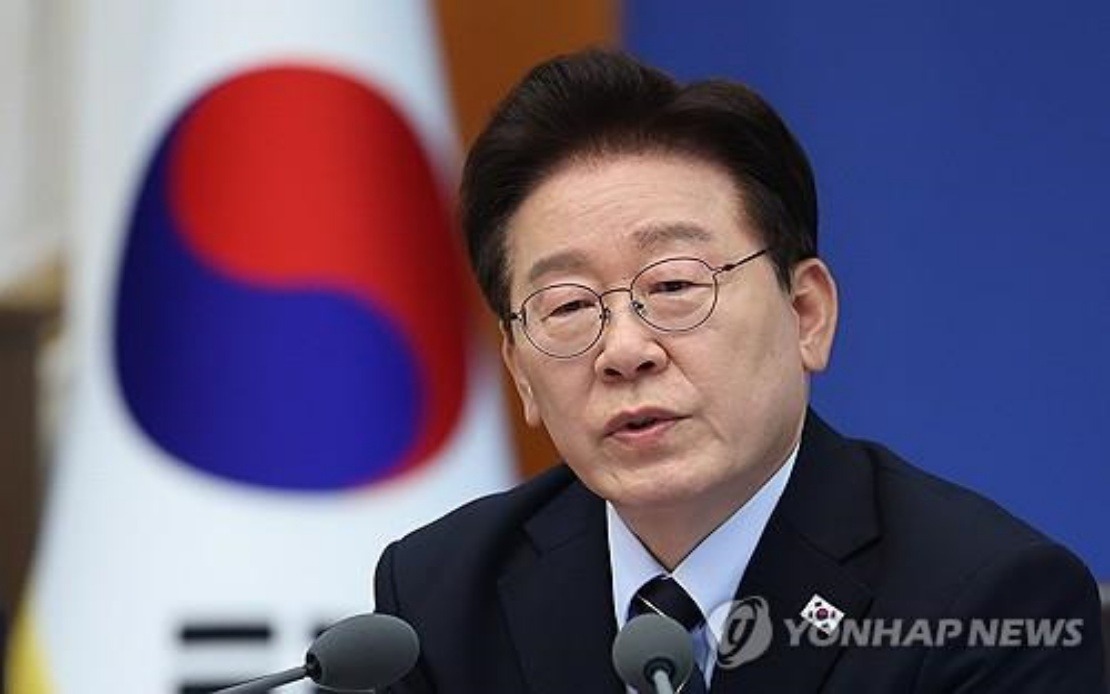
South Korea is charting a new course in military strategy, moving away from traditional mass-conscription models toward a leaner, technologically advanced force structure. President Lee Jae Myung recently instructed senior government officials to accelerate comprehensive defence reforms centred on what authorities are calling a "smart" military, built on cutting-edge equipment and sophisticated technologies rather than reliance on large personnel deployments. The policy shift reflects deep concerns about the nation's persistently declining birth rate, which threatens the sustainability of current conscription systems that have anchored South Korean defence for decades.
The strategic reorientation addresses a fundamental demographic challenge facing the peninsula. South Korea's plummeting fertility rate means the traditional model of conscripting every able-bodied male for at least 18 months of service is becoming both economically inefficient and logistically unsustainable. Lee acknowledged during high-level meetings at government headquarters that maintaining the existing military structure—which historically prioritised numerical strength and infantry capabilities—is no longer feasible or desirable given population projections. This represents a significant doctrinal shift for a nation that has long viewed universal conscription as essential to its security posture amid continuing tensions with North Korea.
Central to Seoul's reformed approach is the introduction of selective conscription, a move that would fundamentally alter how the government recruits and deploys military personnel. Rather than enlisting virtually all male citizens, the new system would allow authorities to choose conscripts based on strategic needs and defence requirements. This targeted methodology aligns military recruitment with technological advancement, enabling South Korea to concentrate resources on training specialised personnel capable of operating sophisticated weapon systems, intelligence networks, and cyber defence infrastructure. The concept represents a departure from the universalist principles that have governed mandatory service for generations.
Yet the government recognises that shifting to selective conscription raises sensitive social and political questions. Lee emphasised that authorities must fundamentally reshape how military service is perceived and experienced, particularly among younger generations who increasingly view conscription as an obstacle to personal advancement. The president stressed that Seoul must ensure military service becomes a pathway to employment, educational opportunities, and financial stability rather than a perceived interruption in life planning. This framing seeks to reposition conscription from a burden imposed by the state into an investment in individual futures, a crucial psychological and practical shift for policy acceptance.
The government is contemplating policies that would integrate military service with broader career development strategies. Young conscripts could receive training in fields like cybersecurity, advanced manufacturing, telecommunications, or renewable energy—sectors where South Korea seeks to maintain competitive advantages. By coupling military service with marketable skills acquisition, the state hopes to attract higher-calibre recruits while simultaneously addressing workforce demands in strategic industries. This approach mirrors models explored by some advanced economies seeking to modernise military structures while maintaining security capabilities.
The demographic crisis underlying these reforms extends beyond simple recruitment mathematics. South Korea's birth rate, among the world's lowest, means fewer young men will be available for conscription in coming years. The military currently fields roughly 500,000 active personnel, a figure difficult to sustain as the eligible male population shrinks. Simultaneously, South Korea faces an aging society where defence spending must compete with escalating healthcare and pension costs. These fiscal pressures reinforce the logic of transitioning toward capital-intensive, technology-dependent forces rather than labour-intensive military structures.
The focus on advanced military technology also reflects regional security dynamics. North Korea possesses the world's fourth-largest military by personnel numbers but relies on ageing equipment and outdated doctrine. South Korea's strategy implicitly bets that technological superiority, particularly in air defence, naval systems, artificial intelligence, and cyber capabilities, can compensate for potential manpower disadvantages. This modernisation agenda aligns with Seoul's broader economic policy emphasising high-technology sectors as engines of growth and international competitiveness.
Malaysian and broader Southeast Asian observers should note the implications of this strategic recalibration. If South Korea successfully implements a defence model centred on technological sophistication rather than mass conscription, it may influence how other regional militaries assess their own modernisation priorities. Countries throughout Southeast Asia face their own demographic transitions and face choices between maintaining large standing armies or investing heavily in advanced capabilities. South Korea's experiment could provide lessons—both positive and cautionary—about transitioning military structures in rapidly ageing societies.
The housing and urban development components of Lee's broader policy agenda, while distinct from defence reform, reflect interconnected concerns about quality of life and generational opportunity. By addressing housing shortages and affordability crises simultaneously with military restructuring, the government signals recognition that younger citizens require multiple forms of security—both national defence and personal economic stability. These dual reform efforts attempt to build public confidence that state institutions are modernising to serve contemporary needs rather than perpetuating outdated structures.
Implementation of these defence reforms will require substantial legislative changes and will likely encounter resistance from military traditionalists and some segments of society that view conscription as inviolable national duty. The transition from near-universal conscription to selective systems involves recalibrating civic expectations about military service and reimagining relationships between citizens and state defence obligations. Success will depend partly on whether the government can credibly demonstrate that professional, technologically advanced forces provide superior security outcomes compared to larger conscript-heavy militaries.
The timeline for these reforms remains ambitious. Lee instructed aides to pursue changes swiftly, indicating pressure to implement policies within current political windows. However, transforming military structures involves lengthy planning horizons—defence procurement cycles span years, personnel training requires sustained investment, and cultural shifts in how societies view military service evolve slowly. South Korea's neighbours and security partners will closely monitor whether Seoul can balance rapid reform implementation with the careful deliberation such fundamental strategic changes require.
Looking forward, South Korea's defence modernisation strategy reflects broader civilisational patterns evident across East Asia and increasingly in Southeast Asia: how prosperous, technologically advanced societies manage declining birth rates while maintaining credible defence capabilities. The outcome of Seoul's reform efforts will inform how other nations approach similar demographic-strategic dilemmas, making this an experiment with relevance extending well beyond the Korean peninsula.

