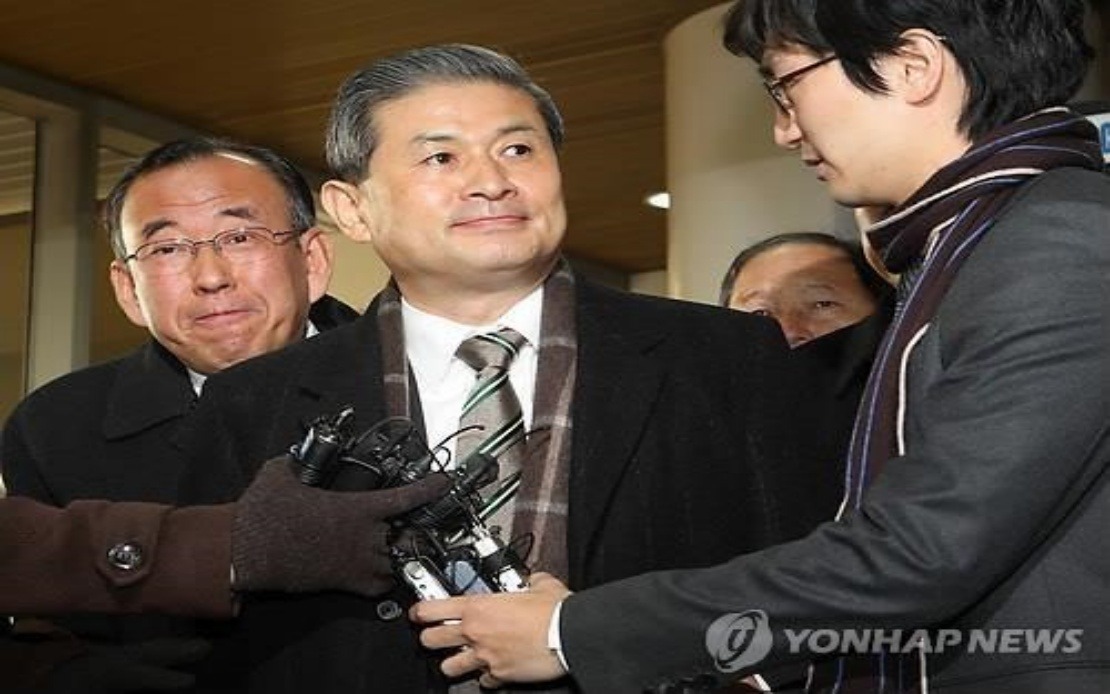
South Korea has formally stripped Hwang Woo-suk, the once-celebrated stem cell scientist, of the nation's most prestigious science and technology honour more than two decades after he received the award. The interior ministry confirmed the revocation this week, following presidential approval on Tuesday, concluding a lengthy legal process to correct one of modern science's most notorious fraud cases. The award, which Hwang had received in 2004 from Seoul National University with an accompanying prize of 300 million won (US$201,200), was officially bestowed as recognition for groundbreaking work in human embryonic stem cell research that promised to revolutionise medicine.
The path to this final revocation has been complicated by procedural irregularities that initially undermined earlier attempts to strip Hwang of the honour. The government had previously moved to revoke the award in 2020, but a court later invalidated that decision, citing critical flaws in how the revocation process was carried out. Recognising the need for greater rigour, the science ministry submitted a fresh request to the interior ministry in March of this year, prompting a thorough review that ultimately culminated in this week's official action.
Hwang's fall from grace represents one of the most dramatic reversals in scientific history, with ramifications that extended far beyond South Korea. In 2005, merely months after receiving his prestigious award, investigations revealed that the cornerstone of his acclaimed research—the claim to have successfully created the world's first cloned human embryo—was entirely fabricated. The revelation that he had manipulated and forged data in his landmark research paper shocked the global scientific community and raised serious questions about peer review processes, research oversight, and the pressure placed on scientists in competitive environments to produce groundbreaking results.
The consequences for Hwang personally were severe and swift. Dismissed from his position at Seoul National University in 2006, he faced criminal charges and served a prison sentence. Beyond the legal repercussions, he became a cautionary tale cited in discussions about scientific integrity and the dangers of allowing ambition and national pride to override fundamental principles of honest research. His case prompted institutions worldwide to strengthen their verification protocols and institutional review processes for major scientific claims.
The Top Science and Technology Award itself carries substantial prestige within South Korea's scientific establishment, being a presidential honour reserved for those making exceptional contributions to the nation's technological advancement and scientific capability. By conferring this award, the government implicitly endorses the recipient as a model of excellence and integrity. Hwang's receipt of the award in 2004 reflected South Korea's position as an emerging science and technology powerhouse and the optimism surrounding his purported achievements in stem cell research.
The formal revocation serves multiple purposes beyond simply correcting an administrative error. It represents an official acknowledgement that Hwang's contributions were not what they appeared to be and reasserts the government's commitment to ensuring that national honours are bestowed only upon genuinely meritorious work. For South Korea's scientific community, the revocation underscores institutional dedication to maintaining standards of integrity and research ethics. It sends a clear signal that fabrication and data manipulation, regardless of how prominent the scientist or how prestigious the institution, will result in complete repudiation and loss of recognition.
For Southeast Asian nations building their own scientific capabilities and research infrastructure, the Hwang case offers important lessons about the institutional safeguards necessary to prevent fraud while still fostering innovation. Many countries in the region are investing heavily in expanding scientific research capacity and attracting top talent, creating environments where pressure to produce breakthrough results might tempt corners to be cut. Malaysia, with its growing biotech and pharmaceutical sectors, must learn from how South Korea addressed this scandal—not merely through punishment, but through systematic improvements to oversight and verification processes.
The revocation also reflects evolving international norms around scientific integrity. Two decades ago, when Hwang's fraud was initially exposed, the mechanisms for holding researchers accountable and correcting the scientific record were less developed than they are today. The protracted legal process required to properly revoke the award demonstrates how institutions have increasingly formalised procedures to ensure that when scientific misconduct is discovered, the entire apparatus of official recognition can be dismantled with proper legal foundation.
Hwang's case remains relevant to contemporary discussions about reproducibility in science and the importance of robust verification before major claims are publicised. The initial success he achieved in disseminating his false claims before detection highlights how even prestigious peer-reviewed journals can be fooled by deliberate fabrication. This reality has prompted scientific publishers and research institutions across Asia and globally to implement more stringent authentication procedures and to encourage researchers to make underlying data publicly available for verification.
The ultimate resolution of this long-running matter offers closure not only for South Korea's scientific establishment but also serves as a historical marker of how seriously the nation takes research integrity. In an era when scientific advancement increasingly drives economic competitiveness and national prestige, particularly in technology-dependent sectors crucial to Southeast Asian development, the commitment to rooting out fraud and maintaining ethical standards becomes even more essential. The completion of the revocation process, despite its complexity and length, demonstrates that institutional integrity ultimately prevails over the temporary acclaim given to fraudulent achievements.

