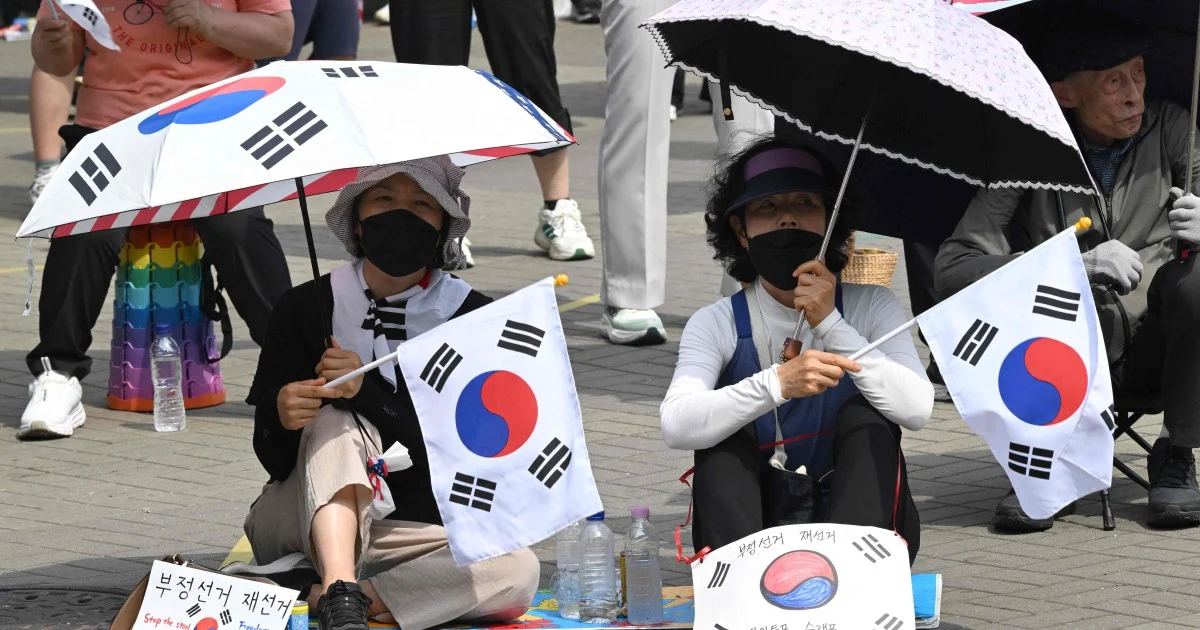
South Korea's National Assembly has formally commenced a comprehensive parliamentary inquiry into the National Election Commission, citing significant operational failures that affected voting procedures during the country's June 3 local elections. The investigation, which received approval during a plenary session held on Thursday, will operate under a 45-day timeline and represents a formal accountability mechanism for examining how administrative shortfalls disrupted the electoral process.
The decision to launch this investigation underscores growing parliamentary concern about the management and coordination failures within the election administration system. When ballot supplies ran short during the June 3 polling day, election officials struggled to maintain orderly voting procedures across multiple constituencies, prompting frustration among voters and election observers alike. The incident raised questions about contingency planning and resource allocation within the National Election Commission, particularly given that election logistics represent a core institutional responsibility in democratic governance.
For Malaysian observers, the South Korean case illustrates how even mature democracies with well-established institutional frameworks can experience significant administrative challenges during electoral processes. The ballot shortage issue reflects broader questions about supply-chain management and the coordination between central election authorities and local polling stations. In Malaysia's context, where the Election Commission oversees voting across a geographically dispersed and ethnically diverse electorate, such logistical failures carry particular weight for maintaining public confidence in election integrity.
The parliamentary investigation mechanism itself demonstrates the importance of legislative oversight in holding election commissions accountable. By establishing a formal 45-day inquiry period, South Korea's National Assembly signals that electoral management failures warrant serious institutional scrutiny rather than administrative brush-offs. This approach contrasts with systems where election bodies operate with minimal external oversight, potentially allowing operational problems to persist unchecked across multiple election cycles.
Ballot supply disruptions, while seemingly technical in nature, carry significant implications for electoral legitimacy and voter participation rates. When voters encounter delays or procedural confusion at polling stations, some may abandon their voting attempts altogether, inadvertently suppressing turnout. In South Korea's case, the June 3 elections involved thousands of polling stations simultaneously managing voting processes, making coordination between supply chains and on-ground operations extraordinarily complex. The shortage suggests gaps existed in either demand forecasting or inventory management across this distributed system.
The timing of South Korea's parliamentary action reflects broader regional trends toward strengthening institutional checks on election administration. Throughout Asia, democracies have increasingly recognized that electoral commission independence, while important, must be balanced against accountability mechanisms that ensure public trust. Parliamentary investigations serve this function by creating transparent review processes where officials must explain and justify their operational decisions before elected representatives and the public.
For Southeast Asian nations grappling with their own election management challenges, South Korea's experience offers instructive lessons about the importance of pilot testing and scenario planning before major electoral events. Election commissions routinely face unprecedented demands during nationwide polling, but sophisticated contingency planning can mitigate many foreseeable operational disruptions. The fact that South Korea, with significant administrative resources and technical capacity, nonetheless encountered ballot supply problems suggests that election logistics warrant continuous institutional attention and resource investment across all democracies.
The investigation's 45-day window reflects a deliberate decision to conduct thorough examination without allowing the inquiry to become indefinitely protracted. This timeline allows parliamentary committees sufficient opportunity to examine commission records, interview relevant officials, and assess whether systemic failures point to negligence, resource constraints, or genuine unforeseen circumstances. Establishing clear deadlines for accountability investigations prevents them from becoming political tools deployed selectively depending on partisan interest, though maintaining genuine investigative rigor within compressed timeframes remains challenging.
The National Election Commission's response to this parliamentary scrutiny will likely shape public perception of both the commission's willingness to acknowledge problems and the National Assembly's effectiveness as an oversight body. Should the investigation uncover evidence of preventable failures or inadequate contingency planning, it may prompt legislative action aimed at restructuring election administration processes or reallocating resources toward supply-chain resilience. Conversely, if the investigation determines that the shortages resulted from unprecedented demand or genuinely unforeseeable circumstances, this conclusion could actually strengthen public confidence in election commission integrity by demonstrating thorough and impartial review.
The broader significance of this parliamentary action extends beyond South Korea's borders, particularly for developing democracies in Southeast Asia and elsewhere working to strengthen institutional credibility. When legislative bodies demonstrate willingness to scrutinize election commission performance, they reinforce the principle that no institution—regardless of formal independence—operates beyond accountability to elected representatives and ultimately to voters themselves. This balance between functional autonomy and democratic accountability represents one of the essential tensions within any healthy electoral system.