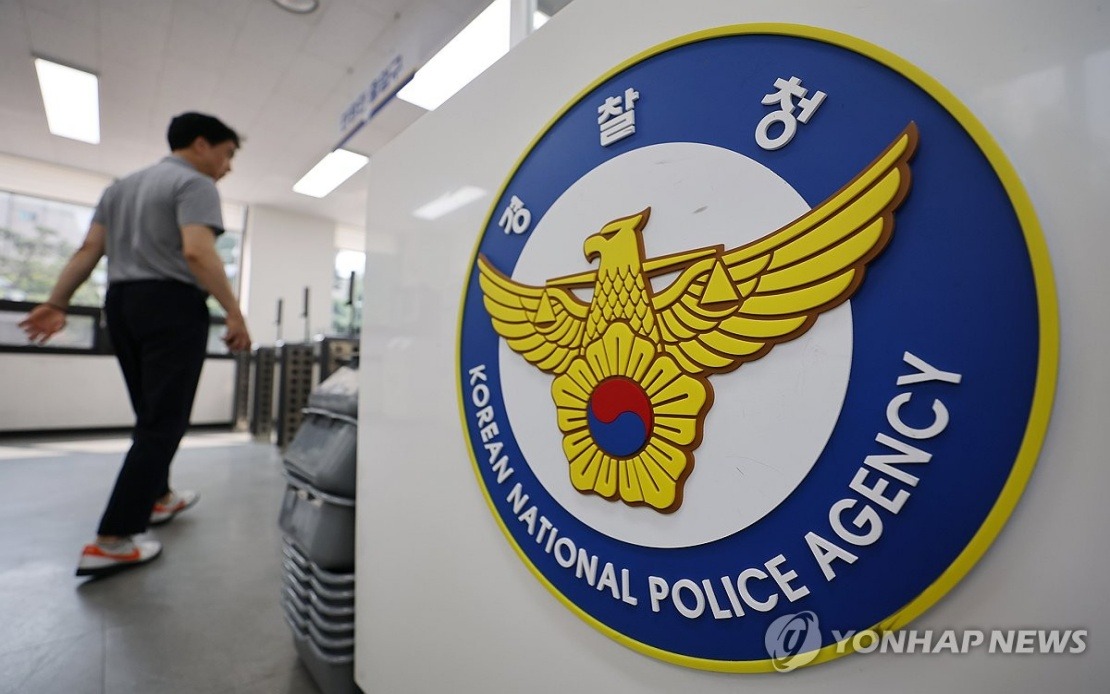
South Korea's law enforcement agencies are mobilising for a comprehensive campaign against organised crime and transnational offences, with particular attention directed at young criminals who have gravitated towards financial schemes and illicit money movement. The Korean National Police Agency announced the initiative will commence Monday and extend through October 31, representing a significant escalation in efforts to dismantle criminal networks that have grown increasingly sophisticated in recent months.
The scope of the operation encompasses a wide range of high-value criminal activities that have become hallmarks of modern organised crime in the country. Financial crimes including systematic fraud, unlicensed lending operations, and digital gambling platforms feature prominently alongside the movement of criminal proceeds through international channels. Authorities also plan to target individuals who publicly display wealth obtained through illegal means, recognising that such behaviour not only perpetuates criminal culture but also generates widespread public anxiety and erodes confidence in community safety.
A critical dimension of the campaign involves severing the financial lifelines sustaining criminal organisations. By freezing assets and proceeds derived from illegal activities, police aim to disrupt operational capacity and discourage recruitment into these networks. This financial interdiction strategy reflects growing recognition that organised crime functions as a business enterprise dependent on continuous capital flows, and that targeting these mechanisms can be as effective as arresting individual offenders.
The international component of the crackdown addresses trafficking in synthetic drugs, particularly ketamine, which has become an escalating concern across East Asia. Authorities will intensify surveillance and intelligence collection in areas with significant foreign populations, workplace clusters, and entertainment districts known as convergence points for trafficking networks. This geographical and community-focused approach acknowledges that transnational crime requires different investigative tactics than purely domestic offences.
The timing of this operation responds to troubling trends documented in the first half of 2024. Police apprehended 1,185 gang members during the March-June period, representing a 9.7 per cent increase, while formal arrests climbed 48.3 per cent. These figures suggest not merely more criminals engaging in organised activity, but also greater police effectiveness in identification and prosecution. More significantly, youth participation in these enterprises has accelerated markedly, with individuals aged 30 or younger comprising nearly two-thirds of apprehended suspects.
The demographic profile of contemporary organised crime in South Korea reveals a troubling generational shift. Young offenders gravitated overwhelmingly toward fraud schemes, which accounted for 42.7 per cent of their offences. This preference for financial crimes over traditional street-level activities suggests younger gang members possess education levels and technological fluency enabling them to navigate complex digital and financial systems, making them particularly dangerous and difficult to apprehend through conventional methods.
Foreign criminal involvement presents another expanding challenge. Police arrested 18,130 foreign nationals in the first half of the year, representing a 9.1 per cent year-on-year increase. During the four-month March-June window specifically, authorities apprehended 641 foreign individuals and detained 133. This growing internationalisation of organised crime complicates investigative work, requiring coordination across borders and understanding of diverse criminal methodologies and organisational structures.
Drug-related offences have experienced particularly acute growth, with a 29 per cent surge recorded in the first half of 2024. The emphasis on synthetic drugs reflects both supply-side vulnerabilities and demand dynamics within South Korean society. Ketamine and similar substances offer traffickers significant profit margins and less entrenched enforcement traditions compared to heroin or cocaine, making them attractive targets for criminal entrepreneurs seeking market opportunities.
For Malaysia and the broader Southeast Asian region, South Korea's organised crime challenges carry direct implications. The region functions as a transit zone and source region for synthetic drugs destined for East Asian markets. Cross-border criminal networks operating in Malaysia, Thailand, and Cambodia increasingly interface with Korean gangs and international syndicates. The sophistication of Korean youth gang members in financial crime and money laundering means Malaysian financial institutions and digital payment systems may become unwitting conduits for proceeds movement.
The Korean National Police Agency's commitment to enhanced intelligence gathering around foreign communities and workplaces represents a model that Southeast Asian authorities might evaluate. Malaysia's own law enforcement has grappled with similar challenges regarding youth involvement in financial crimes and international drug networks. The Korean approach of targeting asset display and public-facing criminal activity offers insights into disrupting recruitment and prestige hierarchies sustaining gang membership among young people.
Coordination mechanisms between South Korean authorities and regional partners will likely intensify during this crackdown period. Transnational organised crime demands information sharing about smuggling routes, money laundering methods, and gang membership networks. Malaysian police and financial regulators may anticipate increased requests for cooperation and intelligence regarding criminal activity intersecting with Malaysian territory or institutions.
The fundamental challenge facing South Korea's crackdown involves the underlying appeal of organised crime to young people. Financial desperation, limited legitimate opportunities, and the status associated with criminal wealth continue driving recruitment despite enforcement intensification. Sustainable reduction in youth gang involvement requires addressing these push factors alongside law enforcement suppression, a reality that extends across East and Southeast Asia where demographic and economic pressures create persistent pools of potential recruits.

