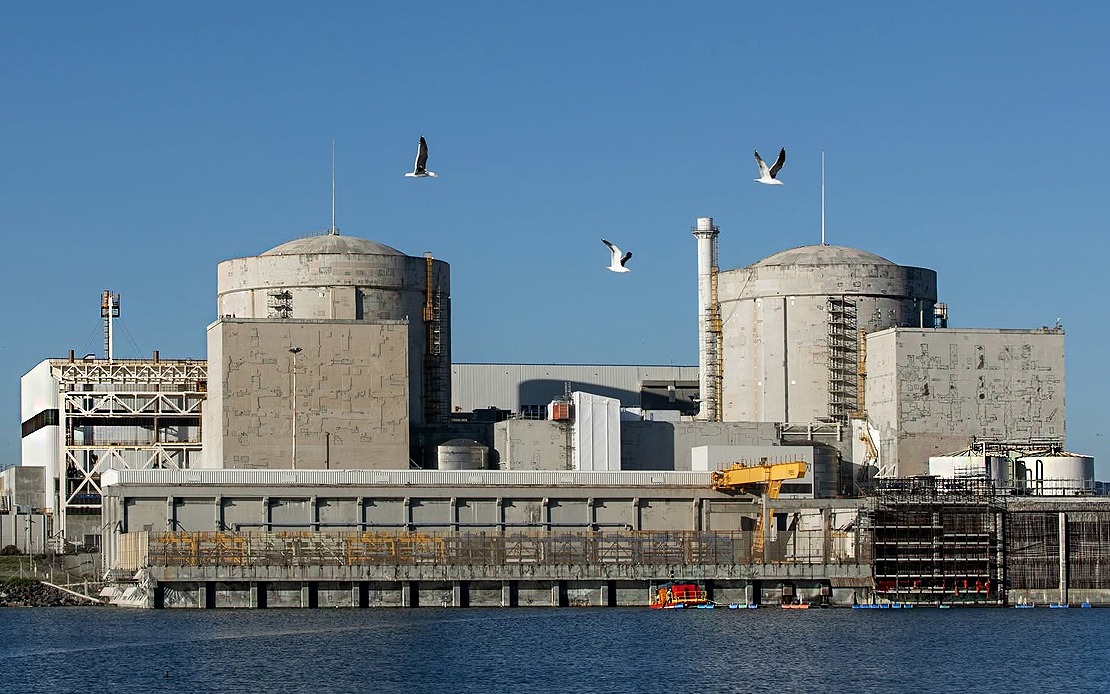
South Africa's only operational nuclear facility, the Koeberg Nuclear Power Station situated roughly 30 kilometres north of Cape Town, has disclosed multiple incidents involving worker exposure to radiation during routine maintenance activities over a concentrated period in late June and early July. Energy Minister Kgosientsho Ramokgopa announced the occurrences at a media briefing, stating that the three separate incidents had been effectively managed with no release of radioactive material into the broader environment and no threat posed to surrounding communities.
The three exposure events transpired on June 30, July 2, and July 7 respectively, each occurring during maintenance work at the facility. Ramokgopa attributed the underlying cause to a temporary electrical outage that compromised the plant's ventilation systems, disrupting a critical safety mechanism designed to manage air circulation and potentially radioactive particles within operational zones. This single point of failure appears to have created the conditions that allowed worker exposure across multiple separate occasions rather than representing isolated, unrelated incidents.
According to official statements, the radiation doses absorbed by affected workers remained significantly below levels that would constitute a serious health concern. The minister characterised the exposure levels as comparable to the radiation received during a routine dental X-ray examination, framing the incident in terms designed to contextualise the risk for public consumption. Velaphi Ntuli, who heads South Africa's nuclear safety regulatory division, further stated that the incidents did not cross the threshold that would trigger mandatory reporting requirements under the country's nuclear safety event classification system.
The characterisation of these incidents reflects the dual pressures facing South African energy policy. The government maintains that nuclear generation will remain integral to the country's electricity security strategy, despite persistent public unease regarding the expansion of atomic power within the national energy infrastructure. This positioning becomes increasingly significant given South Africa's acute electricity crisis, which has forced rolling blackouts and substantial economic disruption across the nation over recent years, driving policymakers to pursue multiple energy solutions simultaneously.
South Africa's nuclear expansion plans are notably ambitious in scale. The government has committed to adding 5.2 gigawatts of nuclear generating capacity by 2039, representing a substantial investment in atomic infrastructure despite the demonstrated challenges of maintaining existing facilities safely. The Koeberg incidents underscore the operational complexities inherent in nuclear power generation, particularly within emerging market contexts where infrastructure maintenance and emergency systems management face resource constraints.
The country's energy predicament stems partly from its historical overdependence on coal-fired generation, which has dominated South African electricity production for decades. Coal power continues to constitute the backbone of the national grid, yet the government recognises that sustained reliance on fossil fuels is incompatible with international climate commitments and long-term environmental sustainability. This creates a challenging transition pathway where nuclear, renewable, and hybrid energy systems must work together to fill the gap left by coal retirement.
The broader national energy strategy explicitly targets decarbonisation by 2050, with the objective of transitioning electricity generation to predominantly renewable and low-carbon sources within three decades. Nuclear power is positioned as a crucial bridging technology during this transition period, providing reliable baseload capacity while fossil fuels are progressively phased out. However, the Koeberg incidents highlight the technical and operational risks associated with maintaining aging nuclear infrastructure, particularly given the facility's original design and commissioning in the 1980s.
For Malaysian observers monitoring energy developments across the African continent and in comparable developing economies, the Koeberg situation carries broader relevance. Southeast Asian nations pursuing nuclear energy expansion, including Malaysia's own consideration of atomic power as part of future energy planning, must reckon with the operational realities that South Africa now confronts. The incidents demonstrate that even well-established nuclear facilities require vigilant maintenance protocols and robust backup systems to prevent safety compromises when primary systems fail unexpectedly.
The ventilation system failure that precipitated the Koeberg incidents exemplifies how infrastructure interdependencies can create cascading risks in complex industrial facilities. When electrical supply to critical safety systems becomes interrupted, secondary and tertiary failsafes become essential protections against worker and environmental exposure. The fact that three separate incidents occurred over a two-week period following a single power outage suggests that the facility's contingency and recovery procedures may require examination and potential enhancement.
From a regulatory perspective, Ntuli's statement that the incidents did not meet reportable event thresholds reflects how nuclear safety classification systems operate with defined escalation tiers. However, the concentration of three separate exposure incidents within a fortnight raises questions about whether cumulative risk assessment protocols are sufficiently rigorous, or whether the official characterisation adequately captures the full implications of repeated system failures affecting the same facility.
The government's insistence on nuclear's centrality to energy security reflects the desperation of South Africa's power crisis, which has constrained economic growth and disrupted industrial productivity across the nation. Electricity supply challenges have become politically charged, with public frustration over rolling blackouts creating pressure for rapid solutions. Nuclear expansion offers the promise of substantial, reliable baseload capacity, yet the Koeberg incidents serve as a reminder that atomic power infrastructure demands unwavering operational excellence and cannot tolerate complacency in maintenance and safety protocols.
Looking forward, the Koeberg incidents will likely feature prominently in ongoing debates about South Africa's energy future and the appropriateness of nuclear expansion within the current regulatory and operational environment. The incidents underscore that effective nuclear power generation requires not only sound policy frameworks but also meticulous execution of maintenance procedures, reliable backup systems, and responsive management of the unforeseen failures that inevitably occur within complex industrial facilities. How South Africa responds to these challenges will influence both its energy security trajectory and the broader global conversation about nuclear power's role in decarbonised energy systems.

