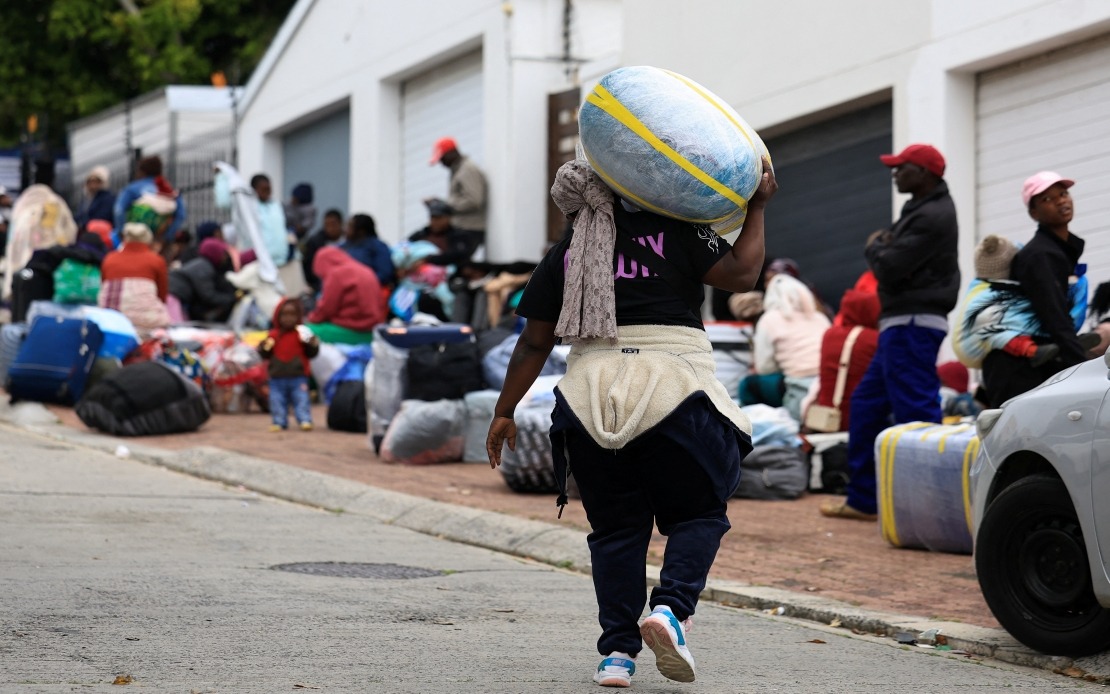
South African authorities commenced the relocation of several hundred Zimbabwean nationals and a smaller number of Malawian citizens from a temporary processing facility in Cape Town on Saturday, marking an escalation in efforts to manage mounting migration tensions in the Western Cape. The Epping processing centre, which had become the focal point for foreign nationals seeking assistance to return home, began transferring residents onto buses destined for Musina in Limpopo Province, where a larger holding facility awaits their processing and eventual repatriation.
The sudden closure of the Cape Town site comes amid a humanitarian crisis that developed as crowds of migrants gathered outside the facility. Around 400 additional arrivals overnight found themselves unable to access the centre as preparations for its shutdown accelerated, leaving them in temporary holding areas with limited services. Humanitarian organisations operating at the location reported providing food distribution, emergency shelter, and sanitation facilities, though conditions deteriorated significantly as numbers swelled beyond capacity. Aid workers documented emerging health concerns, noting that some individuals had contracted gastrointestinal illness and flu-like symptoms—common indicators of overcrowded, unsanitary conditions typical of emergency processing centres.
One Zimbabwean woman, Yekuai Mokoena, who had brought her two young children to the processing centre after weeks spent camped outside the Zimbabwean consulate, offered a stark assessment of the situation. Her terse response—"The situation is bad"—captured the desperation facing thousands of migrants navigating an unpredictable bureaucratic process compounded by security concerns. Her experience mirrored that of many others who had abandoned attempts to regularise their status through formal channels, instead opting to register for government-assisted return programmes.
The coordination of bus movements and passenger processing continued throughout Saturday afternoon as logistical operations intensified. The Epping facility's transition reflected broader policy responses from the South African Department of Home Affairs, which approved the establishment of this temporary processing centre just weeks earlier after the initial influx of migrants. The decision to consolidate foreign nationals at a centralised location in Limpopo Province suggests an attempt to consolidate resources and accelerate repatriation procedures away from major urban centres where anti-immigrant sentiment had become increasingly volatile.
Approximately 3,000 foreign nationals had been transferred to the Epping processing centre roughly one week prior, after having spent approximately two weeks encamped outside the Zimbabwean consulate in Cape Town. This earlier relocation represented an initial response by authorities to growing security threats posed by anti-immigrant demonstrations sweeping through South Africa's major cities. The initial gathering at the consulate had emerged from a climate of fear following an unofficial June 30 deadline publicly issued by anti-immigrant activist groups demanding that undocumented foreign nationals depart South Africa immediately or face potential violence.
The anti-immigrant mobilisation that triggered this humanitarian crisis reflects deeper tensions within South African society regarding employment competition, resource allocation, and social cohesion. These protests, while framed around immigration enforcement, have exposed significant vulnerabilities in the country's capacity to manage migration flows with minimal disruption to vulnerable populations. The deadline set by activist groups, despite lacking official governmental sanction, nevertheless prompted thousands of migrants to seek expedited exit from the country rather than risk confrontations.
Migrants continued arriving at the Epping site throughout the weekend from across the Western Cape Province, seeking pathways to register for voluntary repatriation assistance. The ongoing arrivals suggested that security fears, whether based on documented incidents or perceived threats, remained powerful motivators driving migrants' decisions to abandon residence in South Africa. Each bus departure represented not only logistical progress but also facilitated the departure of individuals who had lost confidence in their ability to remain safely in South African communities.
For Southeast Asian observers, South Africa's migration crisis carries significant implications regarding how regional governments might approach similar scenarios. Malaysia and other nations in the region hosting substantial migrant populations face comparable pressures from anti-immigrant sentiment, though typically addressing these through formal regulatory channels rather than confrontational public mobilisation. The South African case demonstrates the risks of allowing security gaps to develop around migrant populations and the humanitarian consequences when official processing capacity falls behind demand.
The relocation operation represents a pivotal moment in managing this specific crisis, yet broader systemic questions remain unresolved regarding how South Africa will address its migration governance challenges in the medium term. The concentration of processing activities in Musina provides operational efficiency but potentially transfers humanitarian burdens to a region less equipped with supporting services. Meanwhile, Western Cape communities have experienced these tensions firsthand, suggesting that future immigration policy discussions will be conducted against a backdrop of recent civil unrest and heightened sensitivity to demographic change.

