South Africa has escalated its legal challenge at the International Court of Justice, submitting a substantial filing that accuses Israel of systematically disregarding court-ordered provisional measures designed to protect Palestinian populations. The submission, made under Article 11 of the ICJ's Resolution on internal judicial practice, represents Pretoria's latest attempt to enforce compliance with measures that the court itself has deemed legally binding and enforceable under international law.
The case itself dates to December 29, 2023, when South Africa filed proceedings against Israel at the global court, alleging systematic violations of the 1948 United Nations Convention on the Prevention and Punishment of the Crime of Genocide. The filing marked a significant moment in international legal proceedings, as it brought accusations of genocide before one of the world's highest judicial bodies during an ongoing conflict. Since then, the ICJ has issued three separate orders for provisional measures—in January, March, and May 2024—each directing Israel to implement safeguards against prohibited acts under the Genocide Convention.
According to South Africa's Department of International Relations and Cooperation, these provisional measures carry the force of law and cannot be disregarded without consequence. The department's statement emphasizes that Israel has demonstrably failed to comply with these orders, constituting a breach of international judicial authority. This assertion carries significant weight, as provisional measures are typically among the most serious interventions a court can make before issuing a final judgment. They are designed as emergency protections when irreparable harm might otherwise occur during the course of proceedings.
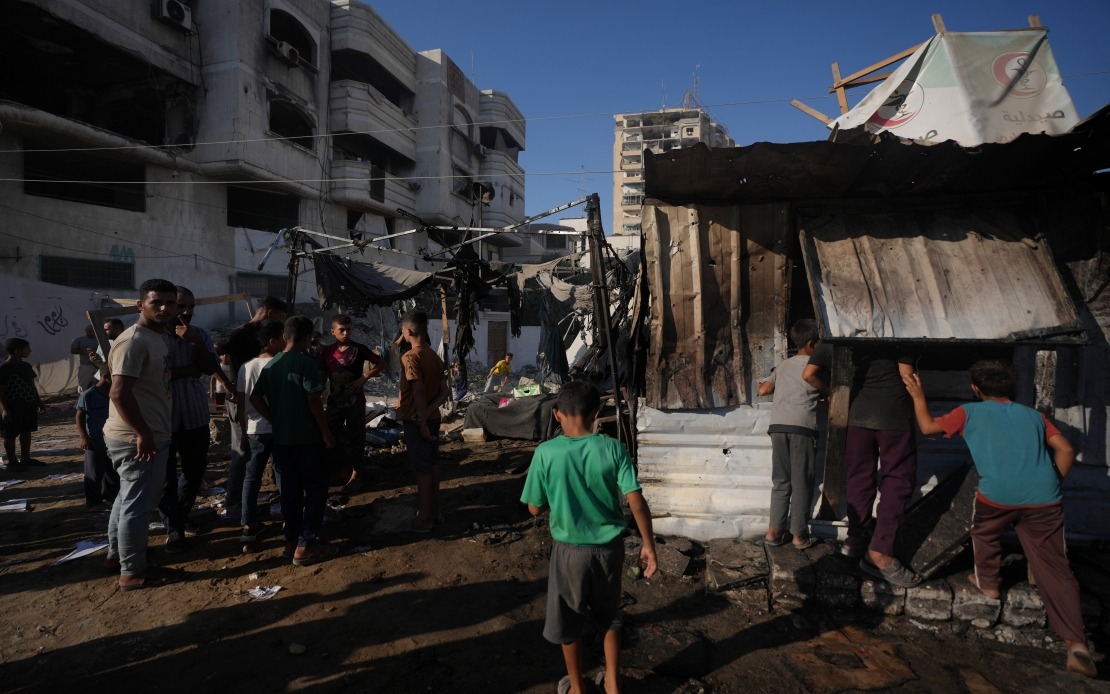
Conditions on the ground in Gaza paint a sobering backdrop to the legal dispute. South Africa points to the ongoing humanitarian catastrophe facing Palestinian survivors, who endure severe trauma while confined to progressively shrinking territorial areas with deteriorating living standards. The filing documents that since a ceasefire nominally took effect on October 10, 2025, violations of that truce have resulted in the deaths of more than 1,300 Palestinians and injuries to over 4,330 others. Rescue operations have additionally recovered hundreds of bodies from beneath collapsed structures, illustrating the scale of destruction that persists even under ceasefire conditions.
The broader casualty toll since the conflict's inception presents an even more grim picture. According to data from the Palestinian Health Ministry, the war in Gaza has claimed 73,438 Palestinian lives and left 174,447 people wounded since October 7, 2023. These figures underscore why South Africa views the ICJ's provisional measures not as mere procedural formalities, but as essential protections against what it characterizes as ongoing genocide. The legal argument rests on the premise that these provisional orders form the only meaningful safeguard available while the court deliberates over its final judgment.
For Malaysian and Southeast Asian observers, this case highlights the intersection of regional concerns and global legal mechanisms. The ICJ process represents how nations can invoke international law to challenge what they view as grave breaches of humanitarian norms. South Africa's persistent pursuit of enforcement demonstrates both the possibilities and limitations of international justice when powerful states resist judicial oversight. The case also illustrates how provisional measures, while binding in theory, may lack robust enforcement mechanisms when dealing with nations that contest their applicability.
South Africa has committed to exhausting all available legal avenues to compel Israeli compliance with the court's orders. This determination reflects the conviction that international legal accountability remains essential even when enforcement faces practical obstacles. The filing represents not a singular legal maneuver but rather part of a sustained effort to keep the question of compliance before the international judiciary and the broader global community. For nations that rely on international law to constrain more powerful actors, such persistence carries symbolic and practical significance.
The provisional measures themselves target the prevention of genocidal acts as defined by the Genocide Convention, focusing on steps Israel must take to ensure protection of Palestinian rights. These measures establish a baseline standard of conduct that South Africa contends has been repeatedly violated through continued military operations, population displacements, and restrictions on humanitarian access. The court's original decisions framed these measures as necessary to prevent irreparable injury before the merits of the case are finally decided.
The filing also carries implications for how international law evolves regarding state accountability. If a nation can disregard provisional measures from the ICJ without material consequences, this undermines the court's authority and suggests that less powerful nations cannot rely on international justice mechanisms to restrain militarily stronger adversaries. Conversely, successful enforcement would signal that even provisional measures command genuine respect within the international system. This tension between law and power remains central to debates about the effectiveness of global legal institutions.
South Africa's sustained engagement with the ICJ process reflects broader African and Global South perspectives on international justice. The case has resonated across nations that view the international legal order as sometimes weighted toward powerful states. By continuing to pursue this complaint, South Africa positions itself as advocate for a more equitable application of international law standards. The filing therefore transcends the immediate Israeli-Palestinian dispute to address fundamental questions about whose violations draw scrutiny and consequences within global legal frameworks.
The outcome of this compliance filing remains uncertain, as the ICJ must now determine whether and how to respond to South Africa's allegations. The court could issue additional orders, convene hearings, or take other procedural steps. However, the core challenge remains unchanged: enforcing judicial decisions against states that possess the military and political capacity to resist such enforcement. For Southeast Asian nations navigating disputes with more powerful neighbors, the South Africa case offers cautionary lessons about the practical limitations of international law when political will to comply is absent.

