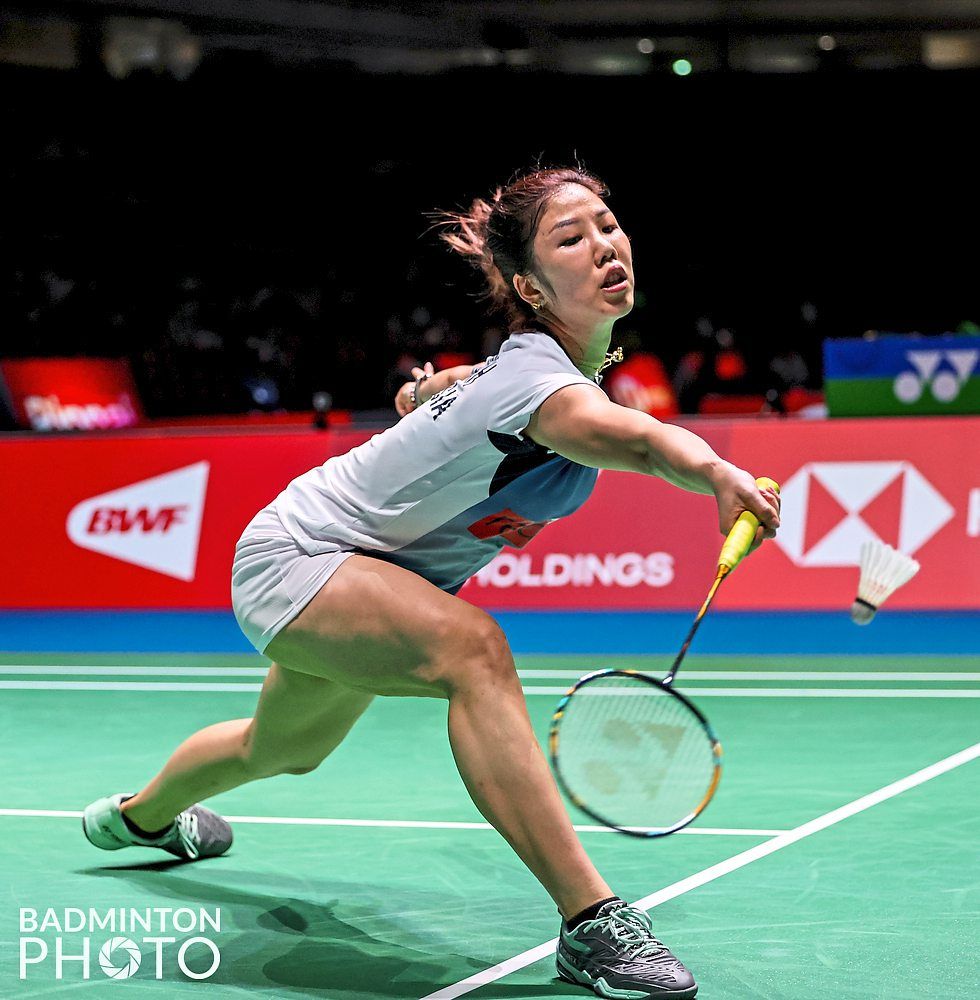
Soniia Cheah, the former Malaysian national women's singles shuttler, has stepped down from her role as sports director of the Kuala Lumpur Badminton Association (KLBA) effective immediately, marking an unexpected end to her tenure barely four months after taking up the position. The 33-year-old, who once held the distinction of being Malaysia's top-ranked women's singles player, announced her departure without detailing the specific circumstances that prompted her decision, though she emphasised that the choice was deliberate and carefully considered.
In her statement, Cheah acknowledged the gravity of stepping away from the position but maintained that she could no longer reconcile her role with her core values. She explained that certain institutional matters had proven fundamentally incompatible with the principles she held as a former national athlete. Rather than pointing fingers at individuals within the organisation, Cheah framed her resignation as a personal stand on issues she believes require serious examination by the association's leadership. Her measured language suggests an attempt to preserve professional relationships while making clear her conviction that change was necessary.
Cheah's decision carries symbolic weight in Malaysian badminton circles, particularly given her standing as a respected former competitor. During her playing career, she represented Malaysia at the Tokyo Olympics and earned recognition as the country's premier women's singles talent. Her transition from the court to an administrative capacity was meant to leverage her experience and insights to benefit the younger generation of players under the KLBA banner. The early termination of her contract raises questions about governance standards and institutional culture within one of Malaysia's leading badminton bodies, especially concerning how feedback from experienced former athletes is handled.
The final official duty Cheah discharged was overseeing the Kuala Lumpur squad at the Affin 100Plus Junior Elite Tour Finals, held at Stadium Juara in Bukit Kiara the previous week. This assignment served as her swan song, providing at least one meaningful contribution to the development pathway for young talents. Despite the brevity of her tenure, Cheah took pains to express genuine appreciation for the players she had mentored and worked alongside, suggesting that her relationship with the athletes themselves remained positive and that her conflict lay with institutional rather than interpersonal dynamics.
Cheah was appointed to the sports director position in February under a one-year contract, meaning her departure comes roughly one-quarter of the way through her anticipated tenure. The timing raises concerns about the stability of leadership within the association and whether structural issues within the organisation might deter similarly qualified candidates from taking on administrative responsibilities in future. Her willingness to walk away despite having secured what appeared to be a stable, meaningful role signals that the problems she encountered were serious enough to override financial and professional considerations.
The badminton fraternity has long recognised Cheah's credentials as both a competitor and a knowledgeable voice on the sport. She retired from professional play in 2022 following a protracted struggle with a recurring Achilles tendon injury that had gradually eroded her capacity to compete at elite levels. Her transition to administration represented an opportunity to remain engaged with the sport she had dedicated most of her adult life to pursuing. The premature conclusion of that chapter suggests that systemic issues within the KLBA may warrant scrutiny from both current players and the broader badminton community.
Cheah's hope that her resignation might catalyse internal review and reform at the KLBA reflects an optimistic view that her departure could serve a constructive purpose. She expressed confidence that the association would use the opportunity to address underlying concerns and refocus efforts on advancing the interests of young players. This framing transforms her resignation from a simple departure into a potential catalyst for change, though whether the association acts on such implicit criticism remains to be seen.
The vacancy left by Cheah's departure must now be filled, raising questions about the KLBA's capacity to attract and retain experienced sports administrators. The association faces the dual challenge of addressing whatever institutional issues prompted a respected former national athlete to resign while simultaneously conducting a leadership search. How the KLBA responds to this situation will likely influence perceptions of its organisational health and its commitment to operating according to principles that align with those of Malaysia's badminton community.
For Malaysian badminton more broadly, this development underscores ongoing challenges in bridging the gap between elite playing experience and effective administration. Cheah's departure highlights the importance of creating institutional environments where former athletes can contribute meaningfully without experiencing conflicts that force them to choose between their principles and their positions. As the sport continues to develop its domestic talent pipeline, ensuring that respected figures like Cheah remain engaged and valued remains crucial to the ecosystem's long-term health.

