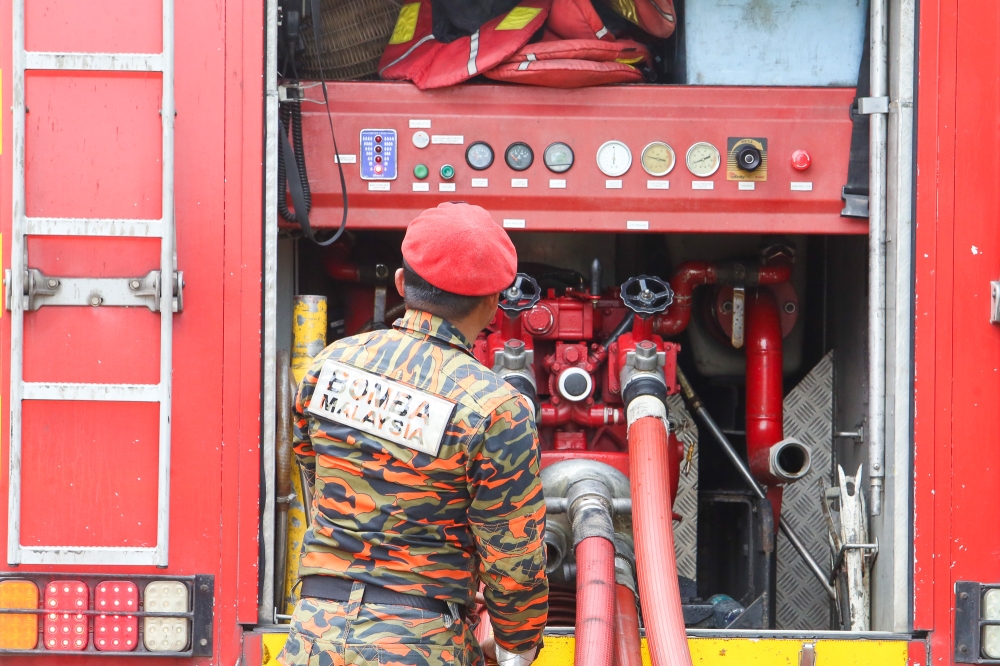
Police in Jitra have detained a man on suspicion of deliberately igniting a fire at his mother's residence following what authorities describe as a severe family disagreement. The arrest comes as investigations into the destruction of the property in Kampung Sunga progress, with law enforcement working to establish the precise circumstances that led to the blaze.
Family conflicts in Malaysian households occasionally escalate to dangerous levels, transforming personal disputes into criminal matters with serious consequences for all involved. This case exemplifies how arguments between relatives—often rooted in long-standing grievances, financial pressures, or living arrangements—can result in property damage and legal intervention. The Jitra incident underscores the volatile nature of domestic tensions and their capacity to spiral beyond reconciliation when emotions run high.
The suspect's arrest marks a turning point in the investigation, allowing authorities to move from evidence gathering at the scene to formal questioning and examination of potential motives. Police procedures in such cases typically involve interviewing neighbours who may have witnessed events leading to the fire, examining forensic evidence collected from the property, and obtaining statements from family members about the nature and intensity of the dispute that preceded the incident.
Arson investigations present particular challenges for Malaysian law enforcement because establishing intent proves critical to criminal prosecution. Authorities must demonstrate not merely that a fire occurred, but that the suspect deliberately caused it rather than it being accidental. This requires careful analysis of burn patterns, accelerant residues if present, and corroborating testimony from witnesses who observed the suspect's actions or heard relevant statements immediately before or after the fire started.
The destruction of a family home carries psychological and financial ramifications extending far beyond the immediate criminal investigation. The mother, as the property's owner and victim, faces the prospect of rebuilding her residence while potentially grappling with the emotional trauma of having a family member accused of deliberately harming her interests. Rebuilding efforts, insurance claims processing, and finding temporary accommodation all present practical challenges that compound the family breakdown already evident in this dispute.
Domestic violence and property crimes within family units represent an ongoing concern in Malaysian communities, though they frequently remain unreported or unresolved at household level. When such incidents do reach police attention, they reveal deeper patterns of family dysfunction that social support services struggle to address. The escalation from verbal argument to arson suggests either a prior history of conflict or a particularly severe trigger that caused one family member to resort to destructive action.
In Kedah, where Jitra is located, local authorities have increased focus on domestic dispute resolution through counselling services and mediation programmes. These initiatives aim to prevent family conflicts from reaching the point where criminal acts become likely. However, cases like this demonstrate that preventative measures sometimes fail when emotional control breaks down completely during confrontations.
The legal framework governing arson charges in Malaysia carries substantial penalties, reflecting the seriousness with which lawmakers regard deliberate fire-setting. Convictions can result in lengthy imprisonment, particularly when the crime damages residential property and endangers lives. The specific charges laid against the arrested man will depend on factors including whether anyone was endangered, the estimated value of property destroyed, and evidence of premeditation versus spontaneous action.
Community reactions to such incidents often involve sympathy for the victim combined with complex emotions regarding the accused, particularly when family relationships are involved. Neighbours in Kampung Sunga and surrounding areas have likely witnessed the aftermath of the fire and may provide crucial testimony that clarifies what transpired. The visibility of such crimes in residential communities also serves to remind residents of the importance of reporting suspicious activity and supporting victims of family-related incidents.
The investigation's progression will likely involve forensic specialists examining the fire's point of origin, interviewing both the suspect and the mother regarding the specific nature of their disagreement, and potentially obtaining evidence such as mobile phone records or security camera footage if available. Police statements released as the case develops will probably provide clearer details about the alleged motive and the evidence connecting the suspect to the arson.
This case serves as a sobering reminder that family disputes in Malaysia occasionally transcend verbal conflict and enter the realm of serious criminal activity. It highlights the importance of early intervention through family counselling, conflict resolution support, and mental health services for individuals experiencing severe interpersonal tensions. The arrest of the suspect and ongoing investigation will determine whether the allegations can be substantiated in court and what consequences follow for the accused family member.

