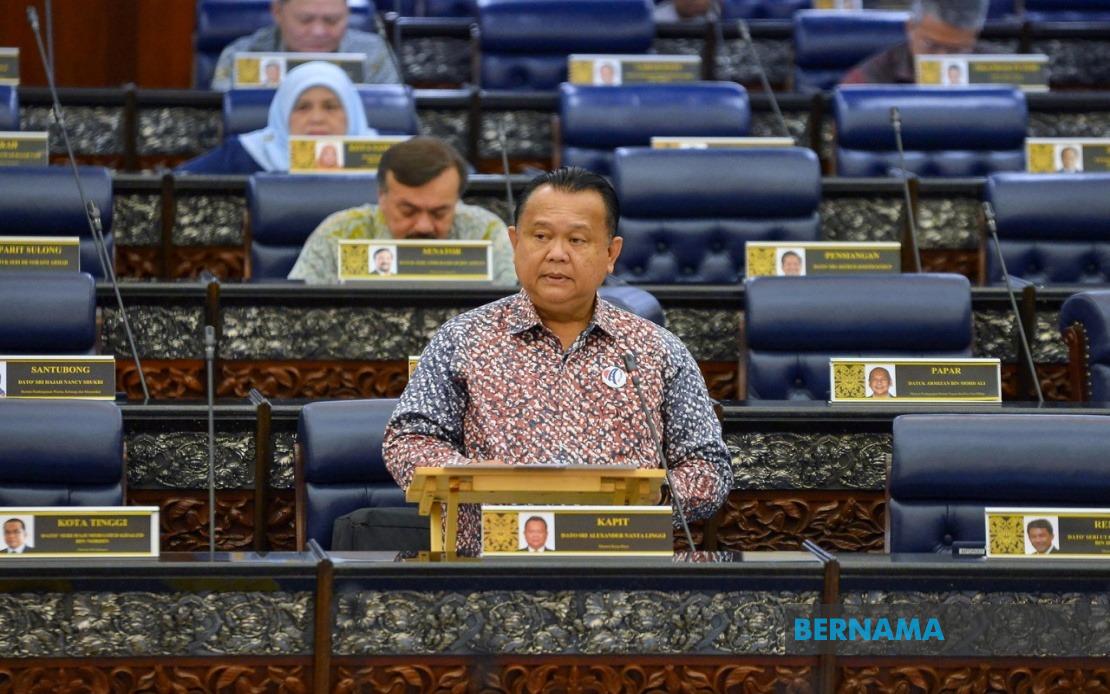
Malaysia's Smart Lane initiative, deployed across multiple sections of the North-South Expressway since 2023, has yielded substantial improvements in traffic flow, with congestion levels falling by between 30 and 50 per cent, Works Minister Datuk Seri Alexander Nanta Linggi disclosed during parliamentary proceedings. The scheme represents a significant step toward alleviating the chronic congestion that plagues Malaysia's primary highway corridor, particularly during rush hours and major holidays when traffic volumes reach critical levels. Data compiled by the Malaysian Highway Authority over the past 18 months has provided empirical validation of the initiative's effectiveness in managing the movement of vehicles across these high-traffic arteries.
The Smart Lane concept operates by optimizing lane usage based on real-time traffic conditions, allowing authorities to dynamically allocate road space according to demand patterns. During peak periods, the system can convert underutilised lanes into additional capacity for traffic moving in the predominant direction, thereby reducing bottlenecks and improving overall throughput. This flexible approach to expressway management addresses a fundamental challenge facing Malaysia's toll highway network: the inherent mismatch between fixed road capacity and highly variable traffic demand throughout the day and across seasons.
Among the critical considerations influencing the Smart Lane rollout has been road safety, particularly concerning motorcyclists who share these lanes with four-wheeled vehicles. The government has implemented rigorous technical evaluation frameworks to monitor collision patterns and ensure that increased lane-sharing does not compromise user safety. From January through May this year, data from 12 Smart Lane locations operating on weekdays documented just 36 accident incidents, a remarkably low figure considering the volume of traffic utilising these sections. Notably, the proportion of accidents specifically involving motorcyclists proved lower than on conventional highway lanes, suggesting that riders exercise heightened caution when navigating shared Smart Lane environments.
Accident analysis conducted across Smart Lane zones identified user behaviour as the predominant contributing factor rather than inherent design flaws or safety hazards. Specific problem behaviours included improper use of emergency lanes, inadequate compliance with safety protocols, sudden and dangerous lane transitions, and unauthorised vehicle stops. These findings underscore that infrastructure improvements alone cannot guarantee safety; complementary driver education and enforcement mechanisms remain essential to maximising the benefits of innovative highway management systems. The data indicates that motorcyclists operating within Smart Lane areas demonstrate heightened awareness and defensive riding practices, presumably because they recognise the increased interaction with other vehicles.
To sustain and enhance safety outcomes, the Malaysian Highway Authority has mandated that expressway concessionaires engage independent road safety auditors to conduct comprehensive Stage 5 safety audits every five years. These rigorous assessments examine all facets of Smart Lane implementation, extending well beyond motorcyclist safety to encompass broader safety considerations affecting all road users. Any deficiencies identified through these periodic audits trigger targeted improvement initiatives designed to reduce accident likelihood and enhance operational reliability. This structured approach ensures continuous refinement of Smart Lane operations based on objective evidence rather than reactive responses to incidents.
Technological advancement forms another pillar of the Smart Lane initiative's evolution. The Malaysian Highway Authority and expressway concessionaire KKR are progressively expanding deployment of closed-circuit television systems integrated with artificial intelligence algorithms capable of monitoring traffic density in real-time. These intelligent camera networks enable rapid detection of congestion patterns, facilitating swift coordination of traffic management responses across Smart Lane sections. Real-time data feeds allow authorities to implement dynamic lane assignments that adapt to emerging traffic situations, effectively converting the expressway into a responsive system rather than a static infrastructure asset. The AI component dramatically enhances decision-making speed compared to conventional manual monitoring approaches.
For Malaysian motorists and the transportation sector broadly, the Smart Lane initiative carries substantial implications. Freight operators benefit from improved journey predictability on the North-South Expressway, a critical arterial route connecting major industrial zones and consumer markets spanning Kuala Lumpur and surrounding regions. Commuters experience reduced travel times during critical periods, with corresponding benefits for work-life balance and productivity. The congestion reduction translates to lower fuel consumption and reduced vehicle emissions during peak traffic conditions, generating both economic and environmental gains across the nation's most heavily utilised expressway corridor.
From a policy perspective, Smart Lane's demonstrated success validates the government's strategy of deploying intelligent transportation technologies rather than pursuing traditional capacity expansion through physical highway widening, which proves prohibitively expensive in densely settled areas. The initiative exemplifies how data-driven management of existing infrastructure can yield performance improvements comparable to or exceeding those achievable through capital-intensive construction projects. This approach aligns with broader regional trends toward smart city and smart infrastructure development, positioning Malaysia within the vanguard of nations leveraging advanced technologies for urban mobility solutions.
Looking forward, the Smart Lane model presents opportunities for expansion beyond the North-South Expressway to other congestion-prone corridors such as the KLIA Expressway, Kl-Selangor Expressway, and major arterial routes in other Malaysian states experiencing rapid urbanisation. The operational experience gained from the PLUS implementation provides valuable evidence for evaluating feasibility and estimating performance outcomes on additional routes. Expansion would require comparable technological infrastructure investments and regulatory frameworks, but precedent from the current Smart Lane deployment suggests the investment yields measurable returns through congestion reduction and safety improvements.
The success of Smart Lane also underscores the necessity for continued investment in expressway management technologies and ongoing cooperation between government agencies and private concessionaires. Regular data collection and public reporting on congestion metrics, safety performance, and user feedback mechanisms strengthen accountability while building public confidence in toll highway operations. As Malaysia's population continues growing and vehicular traffic intensifies, intelligent management systems such as Smart Lane will prove increasingly indispensable for maintaining functional mobility networks across the nation's most critical economic corridors.

