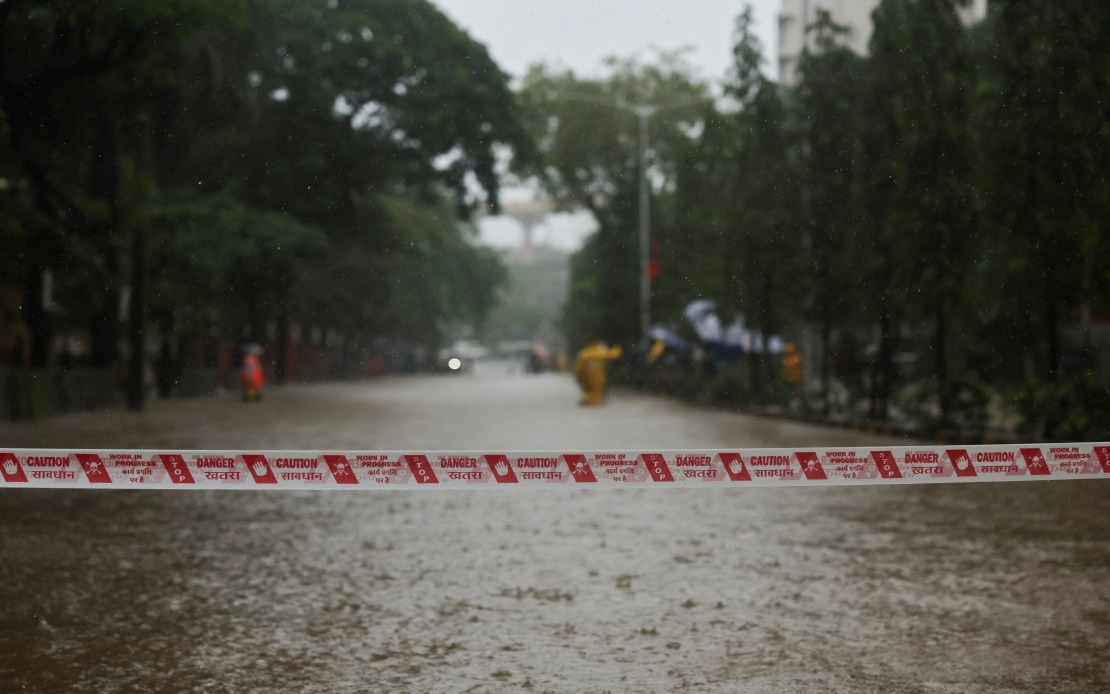
A multi-storey building in Mumbai's Mankhurd locality crumbled on Sunday following intense rainfall, resulting in the deaths of six individuals and leaving another person hospitalised with injuries. The disaster underscores the persistent vulnerability of urban infrastructure in India's financial hub during the annual monsoon season, a challenge that resonates across South Asia where rapid urbanisation often outpaces building safety protocols. Maharashtra State Minister and senior BJP leader Girish Mahajan confirmed the incident to media outlets and announced that authorities would conduct a thorough examination into how the structure was originally constructed and whether it met established safety standards.
The collapse occurred amid widespread heavy downpours that battered the coastal city throughout the weekend. The inclement weather proved severe enough to temporarily disrupt flight operations at Mumbai's Chhatrapati Shivaji Maharaj International Airport, forcing authorities to suspend take-offs and landings until conditions stabilised. Such disruptions highlight how extreme weather events in metropolitan areas can have cascading effects across multiple sectors of the economy, from aviation and commerce to public safety and urban services.
In response to the dangerous conditions, the Maharashtra government made the prudent decision to declare a closure of educational institutions across the affected regions. School and college authorities prioritised student safety by keeping facilities shut, preventing unnecessary exposure of vulnerable populations to hazardous weather and unstable urban infrastructure. This precautionary measure reflects growing awareness among Indian administrators of the need to balance educational continuity with public welfare during environmental crises.
The incident raises critical questions about structural integrity and building code compliance in India's densely populated urban centres. Mumbai, as the nation's economic engine and home to millions of residents, faces ongoing challenges in managing rapid development while ensuring that construction standards keep pace with growth. The investigation ordered by Minister Mahajan will likely scrutinise whether the collapsed building had proper permits, whether contractors adhered to engineering specifications, and whether local authorities adequately monitored compliance during and after construction.
The monsoon phenomenon remains a defining seasonal reality across the Indian subcontinent, typically commencing in June and persisting through September. During these months, most of India receives substantial rainfall that sustains agricultural productivity but simultaneously tests urban infrastructure resilience. Cities like Mumbai, already straining under the pressure of housing millions of people in limited geographic space, struggle particularly during peak monsoon periods when waterlogging, flooding, and structural failures become more frequent.
For Malaysian observers, the Mumbai incident serves as a sobering reminder of the infrastructure challenges facing rapidly developing economies throughout Asia. While Malaysia has made significant investments in building codes and disaster preparedness, particularly following past flooding events, the Mumbai case demonstrates how even major financial centres can face catastrophic failures when construction oversight proves inadequate. The comparison underscores why consistent enforcement of safety standards and regular infrastructure audits remain essential regardless of a nation's level of development.
The tragedy also illuminates broader patterns of urban vulnerability in South Asia. As cities expand to accommodate growing populations, informal settlements and substandard construction proliferate, often in areas most susceptible to weather-related hazards. Developers operating under cost pressures frequently cut corners on materials and engineering, while local authorities sometimes lack either the resources or political will to enforce regulations rigorously. The result is a built environment where catastrophic failures claim lives when extreme weather strikes.
Mumbai's experience points to the necessity of comprehensive urban planning strategies that integrate climate resilience with safety standards. This includes not merely establishing regulations but creating enforcement mechanisms with adequate funding and trained personnel. It also requires transparency in construction permits and regular third-party inspections to verify that buildings remain compliant throughout their lifespans. Without such systemic approaches, the cycle of weather-induced disasters and structural collapses will perpetuate.
The incident carries implications extending beyond India's borders to the entire region. Southeast Asian nations, including Malaysia, face similar pressures of urbanisation and climate vulnerability. The monsoon rains that bring life-sustaining water to the region can also unleash destructive forces when infrastructure proves inadequate. Sharing knowledge about building safety, conducting comparative audits of enforcement mechanisms, and establishing regional standards for weather-resilient construction could help prevent similar tragedies across the broader Asian community.
As investigations proceed in Mumbai, one certainty emerges: the collapse represents not merely an isolated accident but symptomatic of systemic challenges requiring sustained attention. Government agencies, urban planners, engineers, and developers must collectively prioritise safety over expedience. For residents of congested South Asian cities, the stakes of such failures remain literally life and death.

