Singapore's Online Safety Commission has moved swiftly to take down a TikTok post containing false allegations that connected a fitness instructor to the resignation of former Acting Minister-in-charge of Muslim Affairs Faishal Ibrahim. The removal, completed on July 28, marks one of the early enforcement actions by the newly operational regulator, which commenced its work just a month earlier on June 29. The decision underscores the agency's mandate to serve as a centralised point for victims seeking rapid takedown of harmful online content and restrictions on offending accounts.
The complaint was filed on the same day as the removal, triggering what the commission describes as an expedited assessment process. An OSC spokesperson confirmed that following evaluation of the report and determination that online harmful activity had indeed taken place, appropriate action was taken against the offending post. Beyond the initial removal, the commission indicated it was examining additional related content flagged in the same report and would pursue further measures as warranted. The agency did not disclose the identity of the complainant or provide specific details about the nature of the false claims in the original TikTok content.
Rasidah Caudal, the fitness instructor who became the target of false accusations, moved quickly to publicly refute the allegations through her Instagram account. She stated unequivocally that her only interaction with Faishal occurred during two fitness sessions held at Kampong Ubi Community Centre, establishing a clear factual record against the misinformation. Particularly concerning was her disclosure that an unknown individual had appropriated her photograph and used it to spread the false narrative via a Telegram message, a common tactic in online harassment campaigns that extends the reach of defamatory content across multiple platforms.
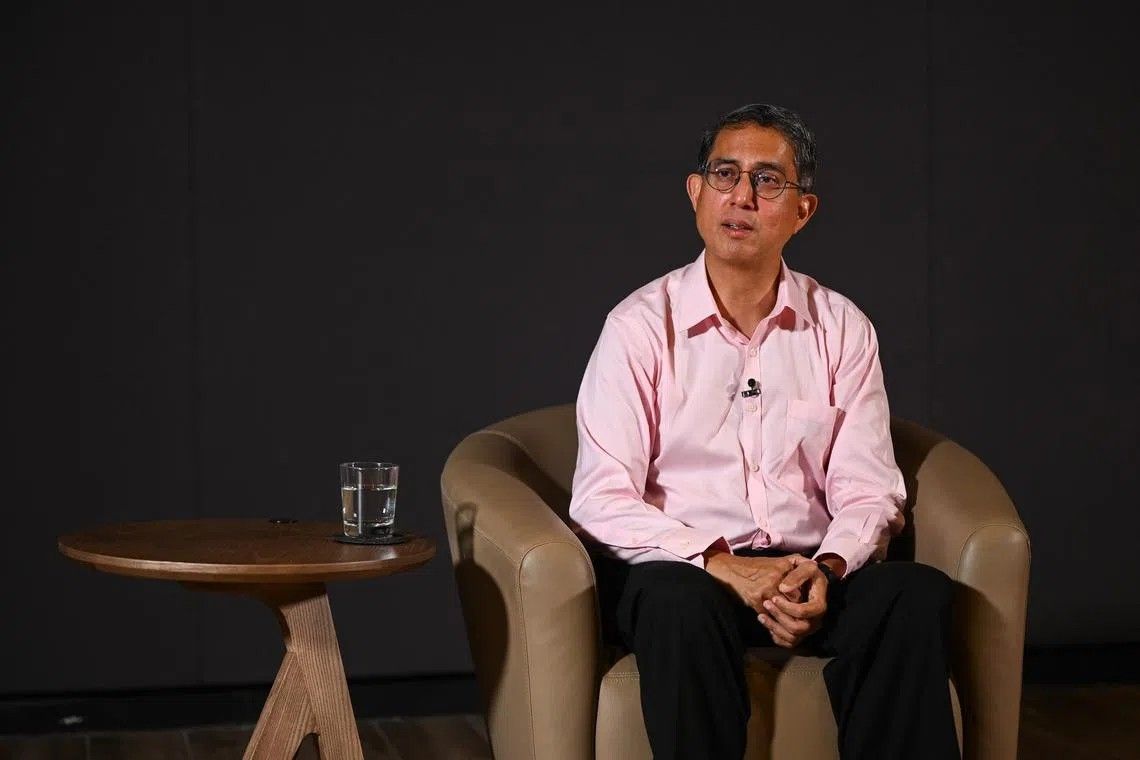
Zaqy Mohamad, who assumed the position of Acting Minister-in-charge of Muslim Affairs following Faishal's departure on July 20, publicly acknowledged the situation through a Facebook statement. He highlighted that an innocent person had been misidentified and subjected to cascading waves of false accusations and abusive commentary online. His intervention represented an important signal from within government that such harassment campaigns carry real human costs and should not be tolerated, particularly when rooted in pure speculation rather than established fact. Zaqy emphasised that regardless of the emotional turmoil surrounding recent political developments, the broader community has a responsibility to refrain from inflicting similar pain upon innocent bystanders.
Faishal's original resignation from politics stemmed from what official statements characterised as inappropriate interactions with an unnamed woman, creating an information vacuum that online rumour-mongers filled with fabricated details and false identifications. This pattern is familiar across Southeast Asian digital spaces, where political scandals frequently trigger waves of speculation that can devastate innocent individuals caught in the crossfire of public gossip. The case illustrates how quickly misinformation can metastasise across social platforms, particularly when high-profile political figures are involved, and how difficult it becomes to suppress false narratives once they gain initial traction online.
The Online Safety Commission itself represents a significant regulatory innovation within the Singapore digital governance landscape. Since beginning operations in late June, the 40-member body has received approximately 200 reports of various forms of online harm, demonstrating substantial demand for its services. The diversity of complaints reveals the breadth of problems affecting digital safety: cases have ranged from the exposure of children's personal information and photographs to the non-consensual publication of intimate recordings on pornography websites. This volume of reports within such a compressed timeframe suggests that victims and their representatives have been actively utilising the new reporting mechanisms.
The commission's current enforcement focus targets five categories it has identified as most prevalent and serious: intimate image abuse, image-based child abuse, doxing, online harassment, and online stalking. These represent the most acute threats to individual safety and dignity in the digital realm, though the agency has flagged that eight additional harm categories, including online impersonation and deepfake abuse, will receive attention in subsequent phases. This phased approach allows the OSC to concentrate resources on the most damaging forms of misconduct while building capacity for more technically complex violations.
The reporting mechanism itself has been designed with accessibility in mind for both direct victims and those acting on their behalf. Complainants must provide identity verification, incident descriptions, details regarding perpetrators including usernames and account information, and evidentiary materials such as screenshots. Representatives seeking to lodge complaints on behalf of victims must furnish either proof of guardianship or a signed authorisation document alongside victim identification. This documentation requirement serves dual purposes: it prevents frivolous or malicious reports while simultaneously creating an accountability trail.
When the OSC determines that harmful activity has occurred, it possesses considerable enforcement powers. The commission can issue directions to content creators, administrators of online groups or pages, and platform operators themselves, requiring content removal or account restrictions. The authority extends to requiring platforms including Facebook, HardwareZone Forums, Instagram, TikTok, X, and YouTube to disable access to duplicate copies of offending material, preventing perpetrators from simply reposting removed content across different accounts or platforms. This multi-layered approach addresses the technical reality that online harms rarely exist in isolation on single accounts or platforms.
Victims receive ongoing case updates and notification of any directions issued by the commission, creating transparency throughout the enforcement process. Furthermore, the OSC has established coordination mechanisms with both police and selected social service agencies, who have been briefed to refer appropriate cases to the commission. This institutional integration recognises that online harms frequently intersect with offline criminal conduct and mental health challenges, necessitating responses that span multiple agencies. For Malaysia and other Southeast Asian nations developing their own digital safety frameworks, Singapore's OSC model offers both promising practices and cautionary lessons about the sustained effort required to combat rapidly evolving online threats.

