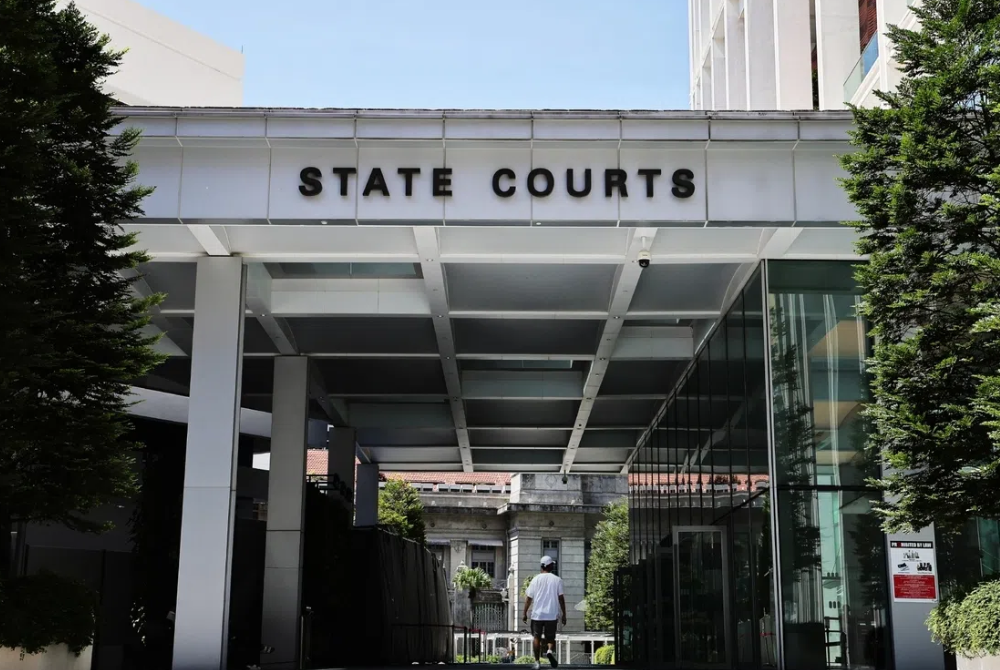
A 31-year-old Singaporean man was handed a prison term of nine years and ten months along with eight strokes of the cane on Friday for a catalogue of abuses perpetrated against young primary school pupils entrusted to his care at a private educational facility. The severe punishment reflects the brutality and systemic nature of the offences committed against children aged six to eleven during 2023. The man, whose identity remains protected by court order, pleaded guilty in July to multiple charges including child abuse and voluntarily causing grievous hurt.
The abuse visited upon the victims ranged from physical beatings to psychological torment of a disturbing character. The offender repeatedly punched the children, wielded a clothes hanger as a weapon until it fractured against one child's body, and subjected them to forms of degradation that extend beyond typical physical assault. In one particularly horrifying incident involving a six-year-old boy from China, the perpetrator forced the child to consume his own urine when the boy expressed thirst. The extent of the violence was quantifiable: District Judge John Ng found the boy had been struck at least 600 times and stomped upon more than 40 times during his ordeal.
The physical consequences for the six-year-old victim proved life-threatening. The relentless abuse resulted in fractured ribs and kidney failure, complications severe enough to necessitate nine days of dialysis treatment. The judge noted that the offender deliberately withheld medical care for three days following the most intense bout of abuse, fearing that hospital staff would alert authorities to his actions. This calculated concealment of injuries demonstrated premeditation and consciousness of wrongdoing beyond momentary loss of control.
One incident exemplified the systematic cruelty inflicted. On March 9, 2023, the man ordered the six-year-old into a push-up position during an English study session. What began as an immediate punishment extended into a nightmare lasting more than eighteen hours. The child remained in the stress position from 3:45 in the afternoon through the following morning, watching other students consume their dinner whilst he remained suspended. Around 1:15 in the morning, whilst still holding the position, he was punched and stomped. Between 2 and 7 in the morning, the offender placed a chair upon the boy's back and sat upon it, forcing him into an even lower position. When the child required toilet access, the perpetrator forced him to urinate into a basin, then compelled him to drink the liquid when thirst became unbearable.
The deception surrounding this abuse reveals calculated manipulation of parental authority. The morning after the prolonged punishment, the man telephoned the boy's father in China seeking permission to impose discipline. Critically, he mentioned no physical punishment and disclosed nothing of what he had already inflicted. Armed with this sanitised permission, he proceeded to unleash a full day of violence with a clothes hanger and his bare hands, applying sufficient force to shatter the implement whilst continuing to strike the child with the broken remains. By evening, the boy had been rendered so weak that he could no longer stand.
The offender's employment at the facility had been problematic from the outset. He was hired in 2016 by his aunt, who operated the educational establishment providing accommodation, management services for foreign students, and other operations. Despite possessing no teaching credentials and no formal childcare qualifications, he was installed as manager and given direct responsibility for pupils' supervision. He taught classes, monitored homework, and exercised near-total authority over students residing at the facility. This concentration of unsupervised power over vulnerable children, combined with absence of proper vetting or oversight, created the conditions for sustained abuse.
The prosecution's case, presented by Deputy Public Prosecutors Timotheus Koh and Cheronne Lim, characterised the offending as a fundamental betrayal of trust. The boy from China, having arrived at the facility in January 2023, became a particular focus of punishment. He was forced into extended stress positions, struck repeatedly with hangers, made to sleep in the toilet, and provided only bread and water whilst other children received normal meals. This pattern of deprivation and violence continued systematically for months until the injuries became impossible to conceal.
In sentencing, Judge Ng grappled with mitigating factors presented by the defence, which highlighted the offender's own history of abuse. The man's father had struggled with alcoholism, and his older brother possessed gangster connections and had inflicted physical abuse upon him during childhood. The judge acknowledged this trauma but firmly rejected any notion that it justified his conduct. "Being a young boy who had suffered at the hands of abusers, the offender should have been in a better position not to repeat such treatment to vulnerable victims who had trusted him to care for them and protect them," the judge stated, articulating a principle increasingly recognised in sentencing jurisprudence: that experience of victimisation ought to foster empathy rather than perpetuating cycles of violence.
The case resonates beyond Singapore's borders, carrying implications for Southeast Asia's broader educational sector. Many regional jurisdictions face similar challenges regarding vetting and oversight of private educational facilities, particularly those providing residential accommodation. The absence of formal qualifications in childcare, the minimal background checks, and the concentration of unsupervised authority in one individual created vulnerability. Malaysia, with its expanding private education sector and numerous international student facilities, confronts comparable risks. The case underscores the necessity for rigorous credentialing, mandatory background screening, and robust complaint mechanisms that protect children from exploitation by those claiming to nurture them.
During sentencing delivery, the offender maintained a downcast demeanor, occasionally glancing toward family members present in court. He had requested deferment of his sentence for one week to attend prayers, a request the judge declined. The man was granted opportunity to speak with family members before officers led him away to begin his sentence. The eight strokes of cane will be administered during his incarceration, adding physical punishment to the custodial term. His sentence represents judicial recognition that abuse of children within supposedly protective environments demands stringent punishment, particularly when the offender has deliberately withheld medical care and sought to conceal systematic violence.

