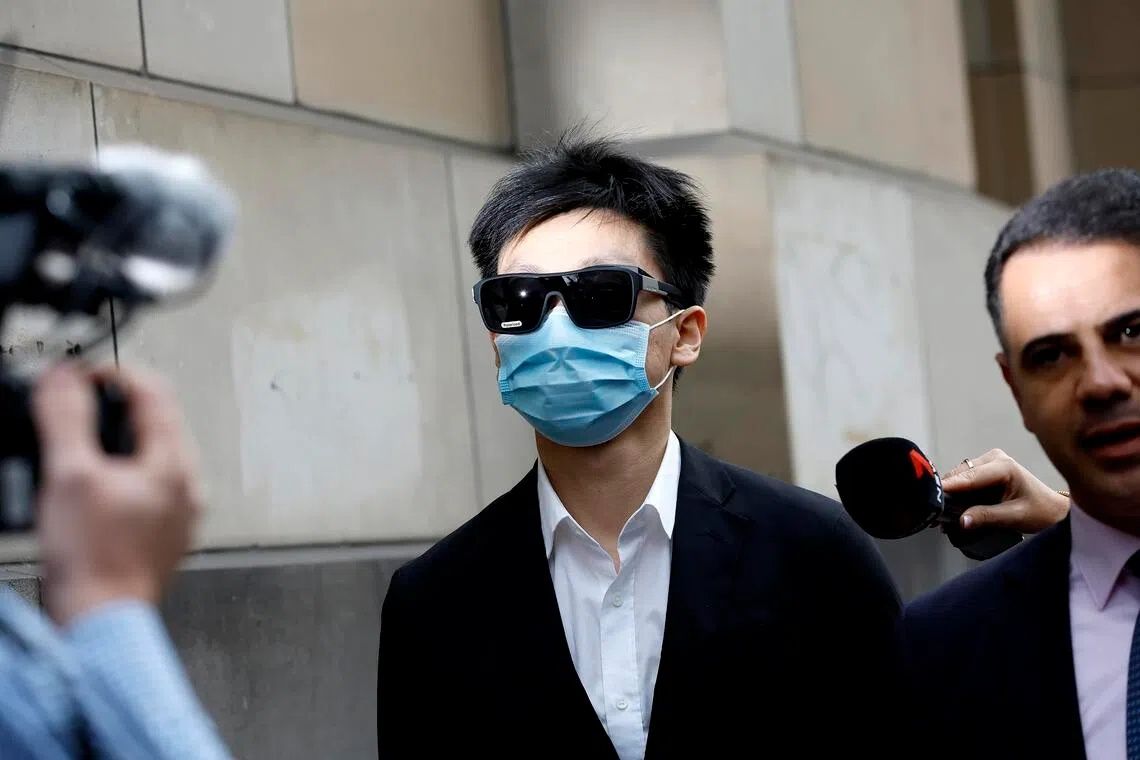
A trainee doctor from Singapore has pleaded guilty to one of Australia's most serious workplace violations involving the systematic secret filming of hundreds of colleagues in intimate settings across three major Melbourne hospitals. Ryan Cho, 28, faced 13 consolidated charges including stalking, installing surveillance devices, and producing intimate images without consent. His guilty plea in Melbourne Magistrates Court marks a significant moment in a case that has triggered widespread alarm within Australia's medical community and raised serious questions about workplace safety and institutional accountability in healthcare settings.
Chо admitted to obtaining thousands of covert images and videos of colleagues at the Austin Hospital, Royal Melbourne Hospital, and the Peter MacCallum Cancer Centre, where he worked as a trainee between 2021 and 2025 while completing his medical degree at Monash University. The scale of his offending became apparent when police investigating a discovered recording device seized numerous electronic devices from his home in July 2025, uncovering more than 10,000 video and image files targeting over 500 victims. Police subsequently laid 910 charges against him, including 4,500 videos, before prosecutors consolidated these into 13 counts to streamline the legal process.
The discovery occurred when staff at the Austin Hospital found a concealed phone in a mesh bag within a staff toilet that had been actively recording. This finding prompted an extensive police investigation that exposed the systematic nature of Cho's conduct. His registration with Australian health regulators was suspended in 2025 following the revelations, effectively ending his medical career before it properly commenced. The case represents a stark breach of professional trust and patient-carer relationships that underpin the medical profession's ethical foundations.
Chо, who has resided in Australia since 2017 and obtained permanent residency in April 2025, maintained strict bail conditions throughout proceedings. His bail of A$50,000 was guaranteed by his parents, who had previously assured the court they would remain in Melbourne to ensure their son's compliance with restrictions. These conditions, which extend until a November hearing, include regular police reporting three times weekly, complete prohibition from contacting witnesses, restricted access to imaging devices, and a requirement to undergo medical treatment addressing what his legal team describes as significant psychological issues.
The pre-sentence hearing commencing on November 23 will span three days and provide an opportunity for affected workers to present impact statements detailing the trauma and violation they experienced. Magistrate Michelle Mykytowycz acknowledged the presence of numerous victims both in the courtroom and participating via video link during the brief hearing, which lasted under 30 minutes. The magistrate confirmed sufficient evidence existed to support a jury conviction, prompting Cho's formal guilty plea to all charges. His father, Wilson Cho, a logistics manager from Singapore, attended proceedings but previously stated he had been unaware of his son's criminal behaviour.
Chо's legal representatives characterised him as a "complicated young professional man" with established complex psychological issues that would almost certainly require ongoing professional intervention. His barrister, Julian McMahon, noted the absence of any prior criminal record but emphasised the profound psychological dimensions underlying the offending behaviour. The guilty plea effectively circumvents a jury trial, allowing the court to focus on sentencing considerations and victim impact assessments rather than contested factual matters.
The implications extend beyond criminal proceedings, as approximately 100 victims, predominantly women, have lodged formal human rights complaints against all three hospitals alleging sexual harassment and workplace discrimination. These parallel civil claims suggest institutional failures regarding workplace safety, cultural accountability, and preventative measures that might have arrested Cho's conduct earlier. The Australian Human Rights Commission now faces consideration of these complaints, which could result in systemic examinations of hiring practices, workplace monitoring, and victim support mechanisms across major medical institutions.
Tony Carbone, managing partner at Carbone Lawyers representing affected workers, indicated expectations that additional hospital employees would join the human rights complaint process, potentially expanding the scope of institutional liability. This suggests the case will likely generate broader consequences for workplace culture and accountability standards within Australian healthcare. The case attracts particular attention given Australia's heightened focus on workplace safety, particularly regarding gender-based harassment and assault following recent high-profile cases.
For Southeast Asian medical professionals working abroad, particularly those from Malaysia and Singapore with substantial cohorts in Australian hospitals, the case raises important considerations regarding workplace rights, professional conduct standards, and the importance of reporting mechanisms. The severity of Cho's violations and the extensive nature of his offending underscore the critical importance of robust institutional cultures that prioritise worker dignity and safety. The upcoming November sentencing hearing will likely establish sentencing precedents for technologically-enabled workplace violations, potentially influencing how such cases are addressed across Australian and regional jurisdictions.

