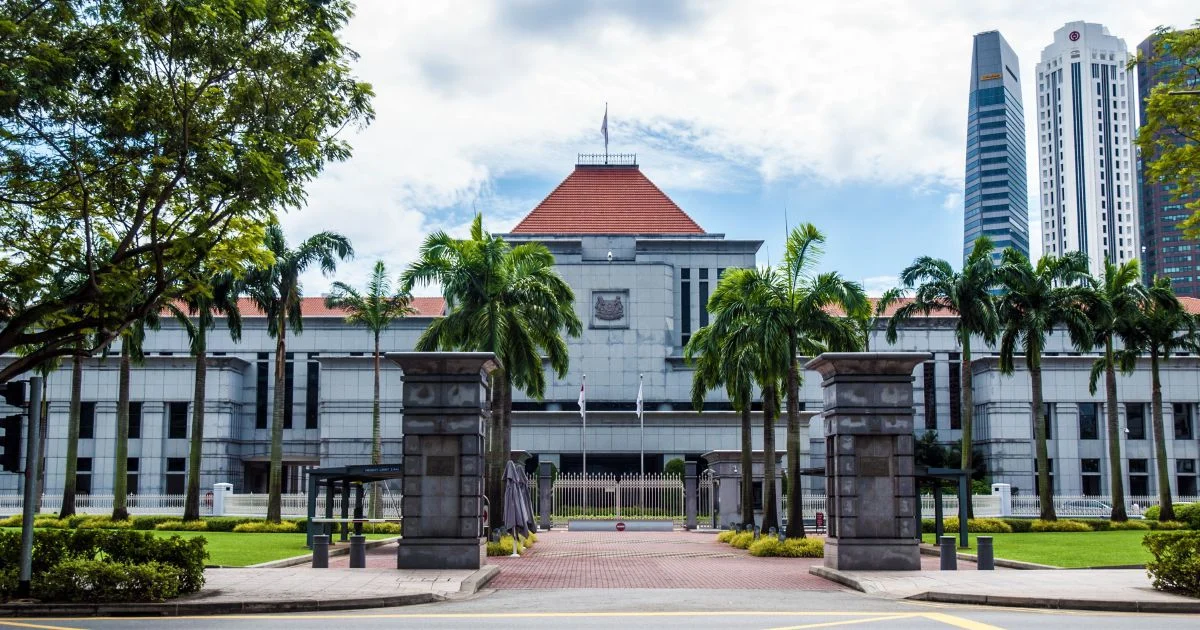
Singapore's police force has moved to apprehend a 40-year-old male resident over his suspected role in orchestrating two separate anonymous bomb threats, one directed at Parliament House and another targeting the Home Team Science and Technology Agency (HTX) office. The arrest represents the latest development in a security matter that has drawn official attention from law enforcement agencies in the island nation.
The timing of these threats carries significance beyond the immediate incidents themselves. As a thriving financial hub and regional headquarters for numerous multinational organisations, Singapore maintains vigilant security protocols around its critical government infrastructure. Parliament House, as the seat of legislative authority, and HTX, which operates as a technology arm supporting internal security operations, both represent sensitive installations where breaches—whether actual or threatened—warrant swift investigative response.
Bomb threat incidents, though not rare globally, remain serious offences under Singapore's criminal justice framework. The deliberate nature of such threats, whether carried through or not, triggers substantial investigative resources. Law enforcement agencies must treat each communication seriously, as distinguishing between genuine threats and hoaxes requires expert assessment and can consume considerable operational capacity. This particular case exemplifies how authorities respond to provocations against state institutions with procedural rigour.
The anonymous element of these threats initially presented investigative challenges that police ultimately overcame. Modern detection methods, encompassing digital forensics, communication network analysis, and traditional investigative techniques, enabled authorities to identify the suspect. The progression from anonymous threat to identified individual underscores the increasingly sophisticated capabilities of law enforcement agencies in tracing communications across digital platforms, a capability that has become essential in contemporary security operations throughout Southeast Asia.
The suspect's age—40 years old—provides little immediate indication of motive, background, or psychological profile without further official statements. Motivations behind such threats vary considerably, ranging from attention-seeking behaviour and personal grievances to ideologically-driven actions or mental health crises. Singapore police statements typically reserve detailed motive information for judicial proceedings, maintaining operational discretion while investigations continue.
For Malaysian observers, this incident carries relevance beyond mere curiosity about regional security matters. Both nations share concerns regarding the protection of critical infrastructure and parliamentary institutions. The incident demonstrates how neighbouring democracies navigate security challenges in an increasingly digitally-connected environment, where threats can originate and propagate with unprecedented ease. Comparative study of such incidents offers insights into best practices for threat assessment and response protocols that apply across the region.
The arrest also reflects broader regional trends in how Southeast Asian governments treat threats against governmental establishments. As cyber capabilities proliferate and communication channels multiply, security agencies throughout Malaysia, Singapore, and neighbouring states have progressively enhanced their capacities to investigate digital crimes and trace anonymous communications. This incident provides a practical example of such capability deployment in real-world circumstances.
Police statements have not yet disclosed whether additional individuals were involved in either threat, nor have they released information regarding whether these incidents were connected beyond their shared targets. Such details typically emerge through subsequent court proceedings or official police announcements following the investigation's progression. The dual-target nature of the threats—one against legislative authority, the other against a technology agency—suggests either random selection or possibly targeted intent, distinctions that remain under investigation.
The broader security ecosystem surrounding Parliament House and government agencies in Singapore, like those in Malaysia, involves multiple stakeholders including building security personnel, intelligence agencies, and specialist bomb disposal units. Such incidents test and validate emergency response procedures, providing valuable operational experience for agencies responsible for protecting these installations. The successful resolution—from threat reception to suspect arrest—indicates functional coordination among relevant authorities.
Looking forward, this case may influence public discourse around security protocols, the balance between civil liberties and investigative necessity, and the appropriate legal responses to bomb threats in digital contexts. Singapore's legal framework addresses such matters through specific statutes addressing threats and public safety, with courts maintaining established precedent for sentencing in comparable cases. Malaysian legal scholars and practitioners often examine Singapore's judicial approaches to technology-related crimes and security matters as comparative reference points.
The incident underscores the persistent challenge facing modern democracies: maintaining open, functional legislative institutions and public services while simultaneously protecting against threats ranging from genuine attacks to psychological intimidation. Both Malaysia and Singapore, as working democracies with active parliaments and public engagement, must navigate this tension continually. The swift police response in this case suggests confidence in existing investigative capabilities, though the situation also highlights ongoing vulnerabilities in digital communication systems that remain subject to exploitation.
As investigations continue and legal proceedings potentially advance, further details regarding the suspect's identity, stated motivations, and the operational circumstances of these threats may emerge. Such information will contribute to the broader understanding of contemporary security challenges within the region, informing discussions among policymakers, security professionals, and the general public regarding appropriate protective measures for critical infrastructure and government institutions throughout Southeast Asia.

