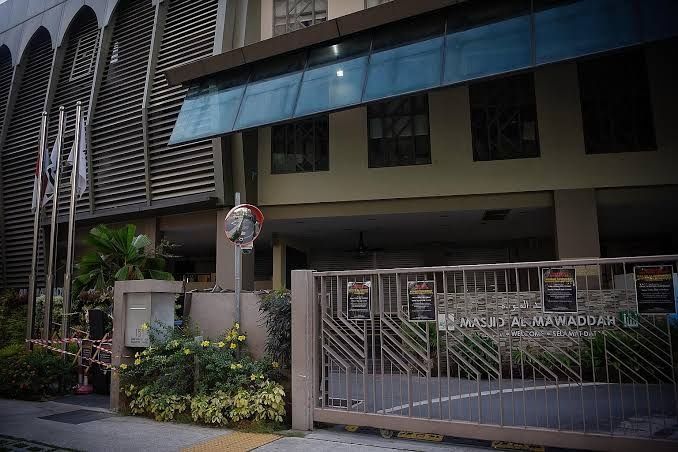
A senior finance executive employed at the Al-Mawaddah Mosque in Compassvale Bow, Sengkang, has been formally charged with criminal breach of trust following allegations that he misappropriated more than S$14,000 from the mosque's donation boxes. Mohamed Muhaimin Mohamed Sulaiman, 42, appeared in court on August 12 to face the charges, which relate to a series of incidents spanning more than three months in early 2024.
According to police records, the alleged offences occurred on at least 15 separate occasions between February 6 and May 15. The pattern of alleged thefts suggests a systematic approach to accessing funds entrusted to the religious institution by its worshippers and donors. The case came to light when authorities received a formal report on May 16, marking the beginning of an investigation into how the funds had been diverted from their intended charitable and religious purposes.
The investigation proceeded swiftly following the initial complaint, culminating in Muhaimin's arrest and court appearance. He was released on bail set at S$10,000, a figure intended to ensure his appearance at subsequent court hearings. The next mention of the case in court is scheduled for September 16, when prosecutors and defence counsel are expected to provide updates on the case progress and discuss potential paths forward.
The magnitude of the alleged theft raises significant questions about internal financial controls and oversight mechanisms at the mosque. With a sum exceeding S$14,000 at stake, the case highlights potential vulnerabilities in how religious institutions manage donations from their congregations. For many Muslim worshippers in Singapore, donations to mosques represent a fundamental religious obligation and expression of faith, making breaches of trust in their stewardship particularly grave.
The Straits Times has sought clarification from the Islamic Religious Council of Singapore regarding Muhaimin's current employment status at the mosque. This inquiry underscores the broader institutional implications of the case, as religious organisations typically reassess staff positioning following such allegations. The council, which plays a regulatory role in overseeing Islamic affairs in Singapore, may need to conduct additional audits or implement enhanced financial procedures across affiliated institutions.
If convicted on the criminal breach of trust charge, Muhaimin faces a maximum prison sentence of 15 years combined with financial penalties. This severe potential punishment reflects Singapore's strong stance on crimes involving misuse of authority and breach of fiduciary duty. The offence is particularly serious when committed within a religious context, where positions of financial responsibility carry implicit trust from the community.
The case carries implications that extend beyond the individual institution. Religious organisations in Singapore and throughout Southeast Asia increasingly face scrutiny regarding their financial management and governance structures. Donors want assurance that their contributions reach their intended purposes, whether supporting religious education, social welfare programmes, or mosque maintenance. When breaches occur, they can undermine public confidence in the broader ecosystem of religious charitable giving.
Singapore's multi-religious society places considerable emphasis on institutional integrity within faith communities. The city-state's approach to religious affairs, characterised by careful regulation and oversight, aims to maintain social harmony and public trust. This case serves as a reminder of why such oversight mechanisms exist and why religious institutions themselves must maintain rigorous internal controls. The authorities' swift response demonstrates the seriousness with which such allegations are treated.
For Malaysian readers, the case offers pertinent lessons regarding institutional accountability in religious settings. Malaysia's own mosque management structures and financial governance frameworks may benefit from examining how such breaches can occur and what preventive measures prove most effective. The case study illustrates that problems can emerge even in well-regulated environments, suggesting that continuous vigilance and robust internal audit procedures are essential.
The coming months will determine the case's trajectory as it proceeds through Singapore's court system. Additional details about the circumstances of the alleged misappropriation, any identified vulnerabilities in the mosque's financial systems, and the defendant's account of events are likely to emerge during legal proceedings. These details will inform not only the court's verdict but also broader discussions about improving financial governance within religious institutions across the region.

