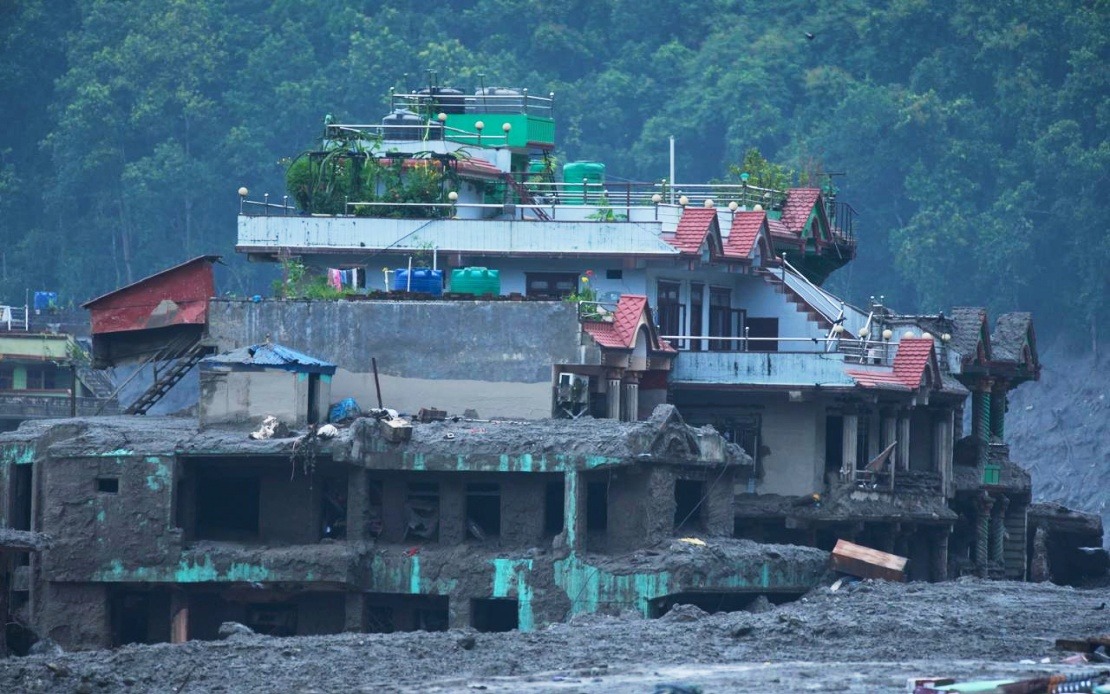
Singapore has activated its diplomatic machinery to respond to a humanitarian crisis unfolding in the Himalayan region, where deadly flash floods have claimed lives and left dozens missing near the Nepal-China border. Prime Minister Lawrence Wong acknowledged the tragedy through a public statement, affirming that the Ministry of Foreign Affairs (MFA) has established direct contact with both Nepali and Chinese officials to coordinate support for affected Singaporeans and maintain communication with their families. The disaster has exposed the inherent dangers of mountainous terrain during monsoon season, a reality that regional travellers and adventure tourism operators must increasingly contend with as climate patterns shift and weather becomes more unpredictable.
According to international media reports, two Singaporeans are believed to be among a group of 47 hikers who have gone missing following the flash floods in northern Nepal. The multinational composition of the missing trekkers—including nationals from Australia, Nepal, the United Kingdom, the United States, and Russia—underscores how such disasters affect tourists from across the globe and complicate rescue operations requiring multilingual and cross-border coordination. The trekking group was organised through Himalayan Glacier Adventures, a company that specialises in guided mountain expeditions in one of the world's most geographically challenging regions.
Prime Minister Wong's response reflected the gravity with which Singapore treats the safety of its citizens abroad, particularly in situations involving loss of life. His statement extended formal condolences to the families affected and acknowledged the sacrifices of local authorities and emergency personnel engaged in dangerous rescue and recovery operations. The articulation of solidarity with Nepal and China during their time of crisis also demonstrates Singapore's commitment to regional cooperation and humanitarian values, principles that resonate throughout Southeast Asia where cross-border disasters frequently require coordinated international responses.
The MFA has issued specific travel guidance for Singaporeans currently in Nepal, advising them to exercise heightened vigilance and maintain awareness of local developments. The advisory identifies particular districts impacted by the flooding—Rasuwa, Nuwakot, Dhading, Gorkha, and Chitwan—and recommends that travellers avoid these regions entirely. Such targeted warnings reflect the spatial nature of the disaster, as flash flooding tends to follow river valleys and low-lying terrain rather than affecting entire countries uniformly, allowing authorities to provide nuanced guidance rather than blanket restrictions.
The MFA's cautionary guidance extends beyond geographic avoidance to encompassing broader environmental hazards typical of post-flood conditions. Singaporeans have been instructed to remain distant from rivers, riverbanks, bridges, and other low-lying areas where secondary flooding, structural damage, or contaminated water poses ongoing risk. This advice recognises that immediate dangers persist long after the initial flood event, particularly in monsoon regions where repeated rainfall can trigger cascading disasters and compromise infrastructure stability.
Operational disruptions across affected areas represent another dimension of the crisis that travellers and residents must navigate. The advisory warns of potential breakdowns in road access, transportation networks, communication systems, and delivery of essential services—disruptions that extend crisis impacts far beyond the immediate flood zone. For Singaporeans planning travel or maintaining presence in Nepal, such warnings necessitate contingency planning and flexibility, as routes may become impassable and connectivity unreliable on short notice.
The coordination between Singapore, Nepal, and China on this matter exemplifies the practical mechanisms through which regional nations respond to humanitarian emergencies. Consular networks established during normal diplomatic relations become operational lifelines during crises, enabling rapid information exchange, casualty tracking, and resource coordination. For Malaysia and other Southeast Asian nations, this incident serves as a reminder of the importance of maintaining robust diplomatic presence and consular capacity in key regional locations, as citizens increasingly undertake adventure tourism and mountain trekking expeditions throughout Asia.
The role of adventure tourism companies in these scenarios also warrants consideration. Himalayan Glacier Adventures and similar operators facilitate access to spectacular but inherently dangerous terrain, often attracting experienced mountaineers and recreational hikers alike. The company's responsibility extends to risk assessment, weather monitoring, and contingency planning—dimensions that become critical during monsoon season when hydrological conditions can change dramatically within hours. The incident raises broader questions about industry standards, insurance coverage, and the balance between access to natural wonders and realistic safety protocols.
For Malaysian readers, this tragedy carries particular resonance given the country's own experience with monsoon-related disasters and its significant population of adventure tourism enthusiasts. Many Malaysians undertake trekking expeditions in the Himalayas and similar high-altitude regions, placing them within the demographic most affected by such incidents. The incident underscores the importance of registering travel plans with diplomatic missions abroad, maintaining emergency contact protocols, and purchasing comprehensive travel insurance that covers mountain rescue operations—often prohibitively expensive in remote regions where helicopter evacuation becomes necessary.
The broader context of climate-related hazards in the Himalayan region reflects a global trend toward more volatile weather patterns and increased flooding frequency in mountainous terrain. Nepal's exposure to such disasters stems from geography, monsoon seasonality, and topography that concentrates water flow into dangerous torrents. As temperatures rise and precipitation patterns intensify, regions throughout South Asia and beyond face escalating risks that demand enhanced preparedness, early warning systems, and regional cooperation mechanisms for mutual assistance during transnational emergencies.
Singapore's response demonstrates the proactive stance that governments should adopt when their nationals face danger abroad, combining immediate consular assistance with public communication that keeps families informed while respecting ongoing investigation and rescue operations. The coordination between three nations—Singapore, Nepal, and China—across different administrative, political, and communication systems illustrates the complex diplomatic choreography required during multinational crises. For the region's smaller nations, this serves as validation that diplomatic relationships, properly nurtured during peacetime, become invaluable assets when citizens require emergency assistance in distant lands.

