Law enforcement in Singapore responded to an escalating security incident on July 5 when officers were called to a Housing Board residential complex in Bedok North following reports of a man wielding a saw near public areas. The 55-year-old individual was spotted in the vicinity of Block 539 Bedok North Street 3 at approximately 3.25pm, prompting immediate police intervention to protect residents and contain a potentially dangerous situation.
When officers arrived on scene, they encountered a man in an agitated state who refused to comply with their repeated instructions to relinquish the saw. According to the Singapore Police Force statement released on the day of the incident, the individual continued to shout incoherently throughout the encounter, disregarding multiple warnings from officers attempting to de-escalate the situation through standard verbal communication protocols. This non-compliance and erratic behaviour presented an ongoing threat to public safety in the residential neighbourhood.
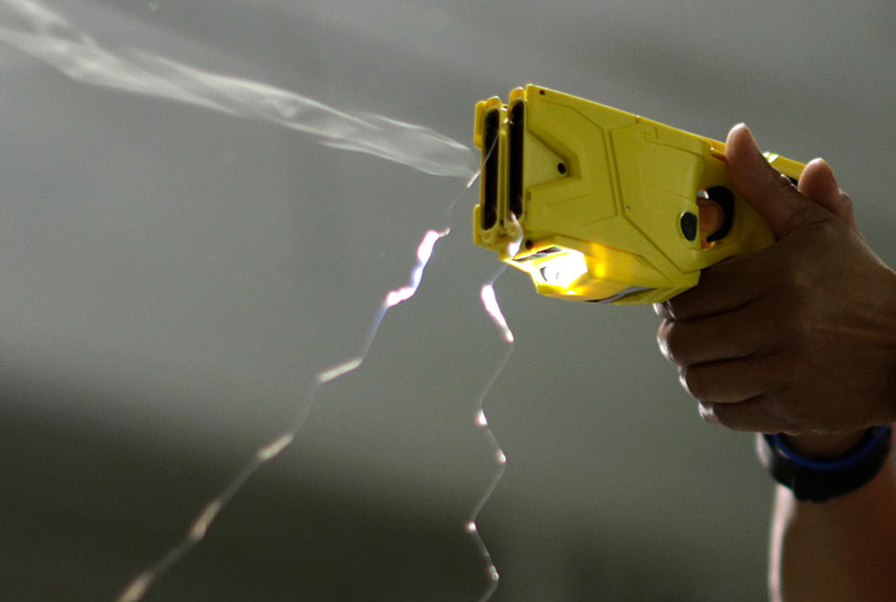
Facing a subject who would not respond to conventional intervention methods, police made the tactical decision to employ a Taser device to neutralise the immediate threat and bring the situation under control. The use of electroshock weapons remains an authorised law enforcement tool in Singapore's arsenal when de-escalation attempts prove ineffective and public safety is at immediate risk. The Taser application successfully subdued the man, enabling officers to safely apprehend him without further incident or injury to bystanders.
The arrested individual was charged with multiple offences reflecting the seriousness of the incident. Public nuisance charges address the threatening behaviour displayed in a residential area frequented by families and the elderly. Possession of an offensive weapon in a public place constitutes a criminal violation, as Singapore maintains strict regulations governing weapons in civilian hands. Additionally, police suspected drug involvement, a critical component of the overall investigation that authorities took seriously enough to refer the matter separately to specialist agencies.
Medical assessment confirmed that the man was conscious and alert following the Taser deployment, and he was transported to Changi General Hospital for further evaluation and treatment. The hospital's involvement underscores standard police procedure ensuring that individuals subjected to restraint measures receive immediate medical clearance. No injuries were reported among responding officers, bystanders, or other members of the public, a positive outcome given the volatile nature of the confrontation.
The suspected drug-related component of the case has been escalated to the Central Narcotics Bureau, Singapore's dedicated agency for tackling controlled substance offences. This referral suggests that investigators identified indicators pointing toward substance abuse or trafficking involvement, necessitating specialist examination of toxicology results and potential links to broader drug activity. Such cross-agency coordination represents standard protocol when incidents suggest connections to Singapore's ongoing battle against narcotics.
For residents of Bedok North, an established Housing Board neighbourhood in eastern Singapore, the incident serves as a reminder of the law enforcement presence dedicated to maintaining public order. Such episodes, while rare in Singapore's relatively safe residential zones, occasionally occur in densely populated public housing estates where thousands of families live in close proximity. The rapid police response reflects the city-state's commitment to swift intervention in situations involving weapons and erratic behaviour.
The broader context reveals Singapore's careful calibration of police use-of-force protocols, where non-lethal options like Tasers occupy an important middle ground between verbal de-escalation and more extreme measures. The incident demonstrates how officers assess threats in real-time and choose proportionate responses when individuals prove unresponsive to commands. Public confidence in such decision-making remains high in Singapore, where the rule of law and police professionalism are core institutional values.
Investigations remained ongoing at the time of reporting, with authorities examining the circumstances leading to the man's presence near the residential block with a saw, his apparent mental or physical state, and any substance involvement. Neighbours and residents may face follow-up questioning to establish a fuller picture of the events preceding police arrival. The case illustrates the intersection between mental health, substance abuse, and public safety that law enforcement agencies across Southeast Asia increasingly grapple with in urban environments.

