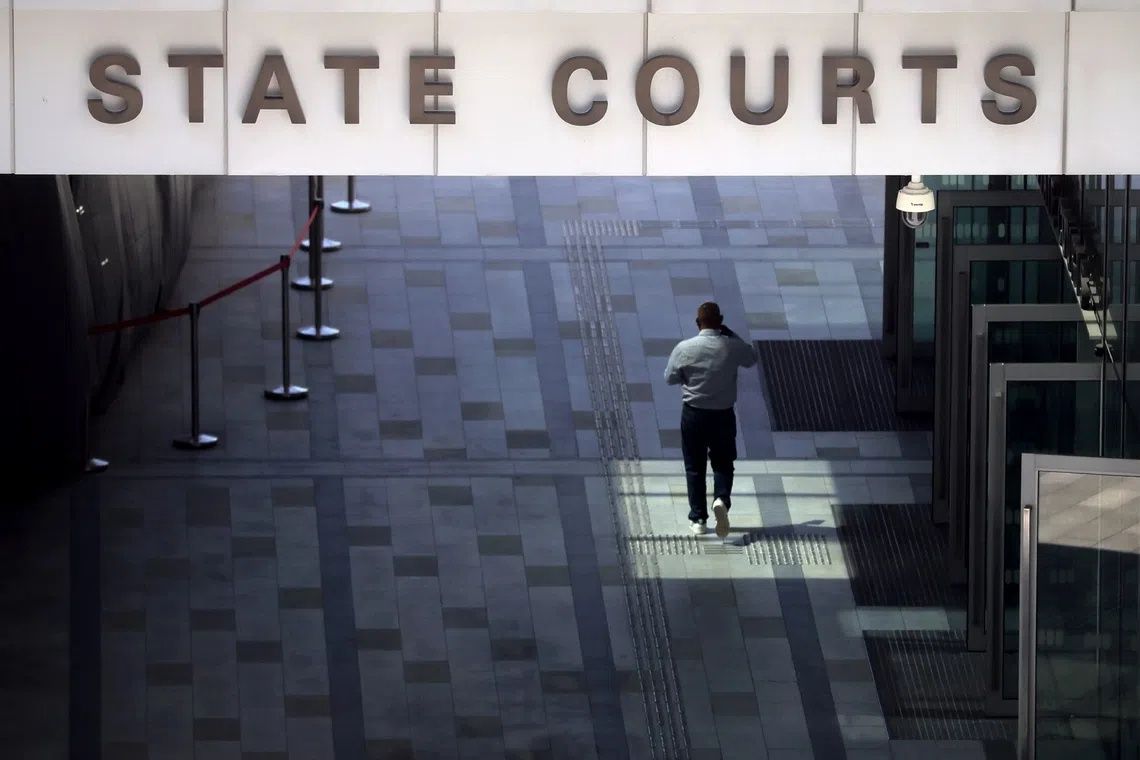
A 40-year-old Singapore man has been formally charged with two counts of child ill-treatment following serious allegations involving his two young children in separate incidents over consecutive months. The charges, brought before the courts on Thursday, relate to conduct that authorities view as severe enough to warrant criminal prosecution under Singapore's protective legislation governing minors. The man's identity cannot be disclosed in media reports due to court orders designed to safeguard the privacy and welfare of the children involved in these cases.
The first alleged incident occurred on September 8, 2025, when the father was residing in an eighth-floor flat. According to court documents, he allegedly instructed his 10-year-old son to remove his clothing completely and then take the lift down to the ground floor of the residential block unaccompanied. The precise circumstances surrounding this incident—including whether the child actually complied with the instruction and what transpired subsequently—remain undisclosed in the available court materials. This type of conduct raises serious concerns about child endangerment and creates questions about the father's judgment and parental responsibility.
Less than a month later, on October 3 that year, the situation escalated dramatically when the father allegedly assaulted his eight-year-old daughter while at Changi Airport Terminal 3 shortly before 6pm. During this incident, he is accused of slapping, punching, and pushing the young girl, actions that reportedly resulted in visible injuries to her face and neck. The injuries inflicted during this airport assault provided documentary evidence of physical harm, distinguishing this allegation from the earlier incident where the consequences were less clearly defined. The public setting of the alleged assault—a major international airport with significant foot traffic—adds another dimension to the troubling nature of these allegations.
Under Singapore's Children and Young Persons Act, the charge of child ill-treatment covers situations where a person causes unnecessary suffering or injury to a minor through deliberate acts of violence or reckless endangerment. The decision to pursue two separate counts reflects the prosecution's assessment that each incident constitutes independent criminal conduct rather than part of a single pattern of behavior. Child protection authorities in Singapore have become increasingly vigilant in recent years about identifying and prosecuting cases involving domestic violence against minors, recognizing that early intervention can prevent further harm and break cycles of abuse.
The court documents presented in this case notably do not provide any explanation for the alleged abusive conduct, leaving open questions about whether precipitating factors such as disciplinary issues, behavioral problems, or situational stress might have motivated the father's actions. Prosecutors have not disclosed whether they intend to present evidence of broader behavioral patterns, mental health concerns, or other contextual information that might inform the court's understanding of these incidents. The absence of stated motivations in preliminary documents is typical of early-stage court proceedings, where the focus remains on establishing whether the alleged acts occurred rather than analyzing their causes.
For readers across Malaysia and Southeast Asia, this case underscores the reality that child abuse exists across socioeconomic boundaries and occurs in developed, affluent societies as well as in less advantaged communities. Singapore's robust child protection framework and willingness to pursue criminal charges in cases involving physical assault and endangerment serves as a regional benchmark for how serious jurisdictions treat violations of children's fundamental rights. The incident at a major international airport also highlights how safeguarding mechanisms function in public spaces where vulnerable children may be victimized within view of potential witnesses.
The implications of this case extend beyond the immediate courtroom proceedings. Both children will require psychological support and assessment to determine the extent of emotional and physical trauma resulting from these incidents. Child protection agencies typically conduct welfare assessments to determine appropriate placements and support mechanisms, which may include counseling, supervised visitation arrangements, or custody modifications. The court system must balance the rehabilitation potential of the father with the paramount consideration of protecting the children from further harm.
As the case progresses through Singapore's criminal justice system, stakeholders including child welfare advocates, family law practitioners, and social workers will monitor developments closely. The next court mention scheduled for August 13 will provide an opportunity for further proceedings, including potential plea negotiations or additional evidence presentations. The outcome of this case may set precedents for how similar allegations are handled and could influence public awareness about recognizing and reporting suspected child abuse.
For parents and caregivers throughout Southeast Asia, such cases serve as sobering reminders that the responsibility to protect children supersedes personal frustration or emotional impulses. Support services, parenting resources, and crisis intervention programs exist specifically to help adults manage challenging family situations without resorting to physical violence or endangering behavior. Recognizing warning signs of parental stress and accessing appropriate assistance represents a crucial part of maintaining child safety within families and communities.

