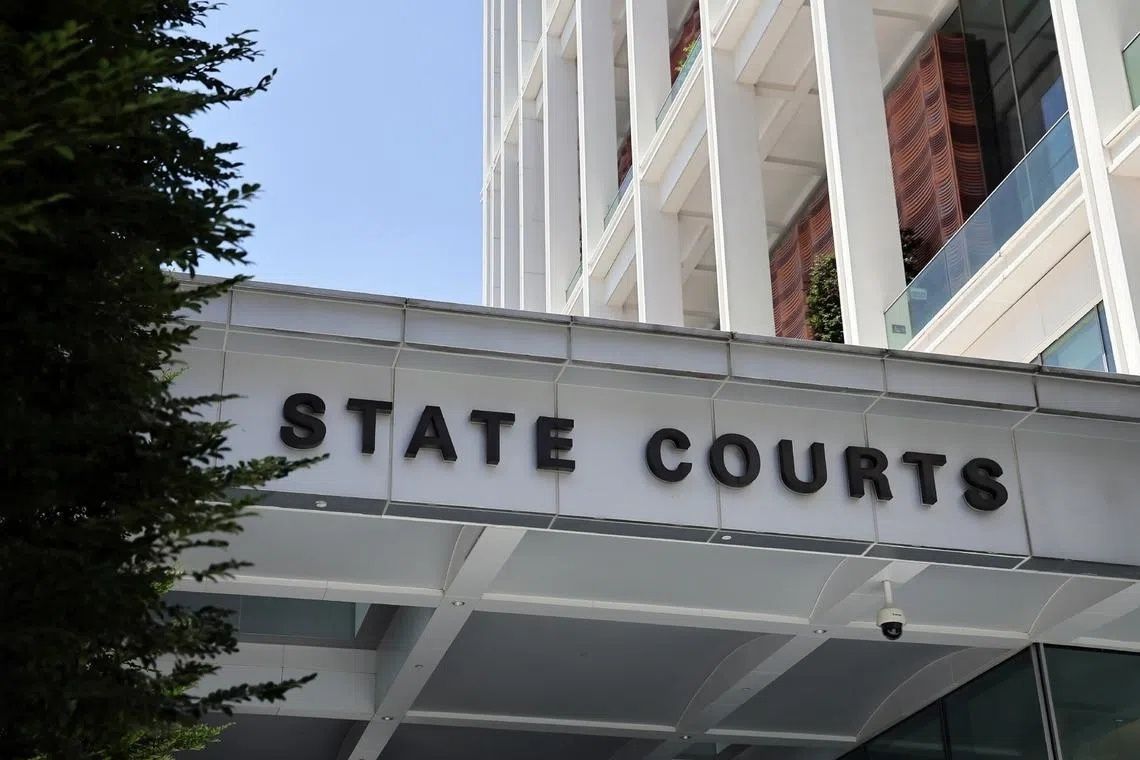
In a significant crackdown reflecting persistent road safety concerns, Singapore's courts processed 41 drink-driving charges in a single day this week, underscoring the scale of impaired driving across the island nation. Among those hauled before district courts on Thursday, June 25, were three men whose cases draw particular attention: they allegedly dozed off while operating vehicles under the influence of alcohol, a hazardous combination that highlights the dual dangers of fatigue and intoxication behind the wheel.
Tho Yu Wei Ronald, aged 34, stood accused of abandoning his vehicle at the entrance of a multi-storey car park at Block 176 Hougang Street 13 late on April 30. According to court documents, the 34-year-old motorist had breath alcohol readings of at least 51 micrograms per 100 millilitres, exceeding Singapore's legal limit of 35 micrograms by nearly 50 percent. Zhong Pengzhi, 38, faced similar charges after leaving his car in the second lane of Clementi Avenue 5 during the early hours of May 9. His breath sample showed a concentration of 48 micrograms per 100 millilitres, also substantially above the permissible threshold. The third case involved Dharuman Killivalavan, 29, an Indian national operating a lorry along Loyang Avenue on June 15. His readings proved the most alarming: at least 87 micrograms per 100 millilitres of breath, more than double the legal maximum, suggesting severe intoxication during vehicle operation.
The circumstances of these three incidents reveal the particularly reckless nature of their conduct. Rather than remaining conscious to manage their vehicles safely or seek assistance, all three allegedly fell asleep, leaving their cars dangerously positioned on roadways and in parking facilities. Beyond drink-driving charges, each faced additional allegations of leaving vehicles in positions causing undue inconvenience—a secondary offence that underscores the broader public safety implications. Dharuman proved among the first to face court proceedings, pleading guilty on June 25 and receiving a fine of SGD 7,100 alongside a 36-month driving disqualification, a substantial penalty reflecting the severity of operating a heavy vehicle while severely intoxicated.
Within the broader cohort of 41 drivers charged that day, ages ranged from 25 to 68 years, suggesting drink-driving transcends demographic boundaries across Singapore's motoring population. The cases also illuminated a troubling recidivist element. Cheng Woon Siong, 44, represented one such offender, having previously received a conviction in December 2019 for identical conduct. When stopped for routine police checks, Cheng registered 52 micrograms per 100 millilitres of breath. His reoffence resulted in harsh court sanctions: one month's imprisonment, a fine of SGD 5,500, and a 60-month driving prohibition commencing upon release. Similarly, Koh Choon Lye, 48, carried prior conviction history dating to 2018 when stopped along Tyrwhitt Road on April 16. Koh's breath readings showed 51 micrograms per 100 millilitres, placing him among the more egregiously intoxicated drivers processed that day.
The concentration of enforcement activity and court processing reflects Singapore's intensified focus on drink-driving prevention following alarming annual statistics. Police data for 2025 documented 1,716 arrests for drink-driving offences across the year, a figure demonstrating the persistent nature of the problem despite consistent public awareness campaigns and enforcement operations. More sobering still, 12 fatal accidents during 2025 resulted directly from drink-driving, each representing preventable tragedies that devastated families and communities.
For Malaysian readers, Singapore's aggressive prosecutorial approach and stiff penalties offer instructive comparison. The republic's courts impose jail sentences for repeat offenders, multi-year driving disqualifications, and substantial fines that collectively create significant deterrent effect. Such comprehensive responses contrast with varied enforcement intensity across Malaysian jurisdictions, where penalties under the Road Transport Act carry maximum fines of up to RM6,000 and possible imprisonment, yet conviction rates remain substantially lower relative to reported offences. Singapore's willingness to jail offenders, particularly recidivists, reflects a philosophy positioning drink-driving as fundamentally incompatible with driving privileges rather than a fine-only transgression.
The Traffic Police's official statement accompanying these charges carried explicit messaging about responsibility and alternative transport options. Authorities emphasised that driving under alcohol's influence constitutes an extremely dangerous and irresponsible act, urging motorists to abstain from operating vehicles when they intend consuming alcohol. Instead, officials recommended embracing taxis or private-hire vehicles—advice reflecting wider regional trends toward ride-sharing services as drink-driving mitigation strategies. Such messaging targets not only individual motorists but society broadly, positioning alternative transport as a normalized, desirable choice rather than an exceptional measure.
The cases also underscore enforcement methodology evolution across Southeast Asia. Rather than relying solely on random roadside breath testing, Singaporean police increasingly conduct targeted checks at known high-risk locations and times, identifying intoxicated drivers before they cause accidents. The concentration of charges processed on a single day suggests coordinated enforcement sweeps, where police direct resources toward maximum impact during specific operational periods. This tactical approach generates both immediate consequences and public visibility, enhancing deterrent messaging through visible prosecution and substantial sentencing.
Looking forward, these cases highlight enduring challenges facing regional road safety authorities. Despite decades of enforcement and awareness initiatives, thousands of motorists annually choose to drive while intoxicated, risking not merely their own safety but that of innocent road users. The presence of repeat offenders like Cheng and Koh, individuals who faced previous consequences yet reoffended, raises uncomfortable questions about rehabilitation effectiveness and whether graduated penalties adequately deter habitual offenders. Some observers suggest mandatory rehabilitation programmes, vehicle ignition-locking devices, and substantially longer driving bans might prove more effective than current approaches at preventing reoffence among this vulnerable cohort.
For Southeast Asian policymakers contemplating drink-driving countermeasures, Singapore's integrated strategy combining police enforcement, swift court processing, significant penalties, and public messaging offers a tested model yielding measurable if incomplete results. While 1,716 annual arrests remain substantial for a nation of roughly 5.7 million people, the alternative—permitting impaired driving without serious consequences—would demonstrably yield far higher casualty rates. The three men who fell asleep behind the wheel, along with the 38 others charged that day, faced legal consequences designed to protect future road users from similar dangerous conduct.

