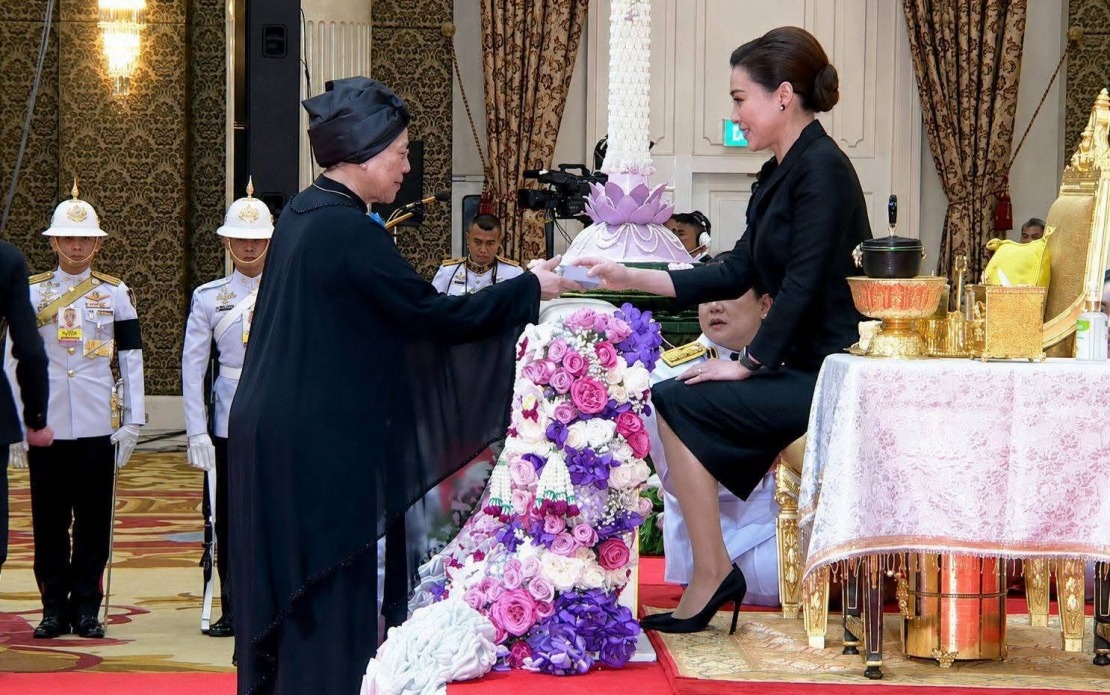
Prime Minister Datuk Seri Anwar Ibrahim has praised the conferment of the 'Outstanding Woman Award for Social Development' upon Prof Emerita Tan Sri Datuk Seri Dr Sharifah Hapsah Syed Hasan Shahabudin, describing the accolade as a significant moment for Malaysia's standing on the world stage. The award, presented by Queen Suthida Bajrasudhabimalalakshana of Thailand, represents recognition of not merely one individual's achievements but rather the collective capabilities and contributions that Malaysian women continue to demonstrate across diverse fields of endeavour.
Anwar, speaking alongside his wife Datuk Seri Dr Wan Azizah Wan Ismail, emphasised that the honour transcends personal celebration, instead serving as a barometer of the calibre and potential that characterises the nation's female workforce and leadership. His remarks, shared through social media, highlighted how international recognition of Malaysian women reinforces the country's commitment to gender inclusivity and the advancement of women in positions of influence and responsibility.
The Prime Minister's response reflects a broader strategic positioning by the current administration regarding women's participation in national development. By drawing explicit connections between Sharifah Hapsah's individual achievement and systemic advancement of women, Anwar attempted to frame the award as validation of governmental policies and initiatives designed to expand opportunities across multiple sectors. The MADANI Government, he indicated, views women's contributions as integral rather than supplementary to the nation's trajectory.
Anwar specifically invoked the Malaysia MADANI agenda in his statement, suggesting that women's empowerment and leadership constitute central pillars of the administration's broader vision for socioeconomic transformation. This framing positions women not as beneficiaries of government benevolence but as active agents in shaping the country's future direction. The Prime Minister called upon the recognition accorded to Sharifah Hapsah to serve as an inspiration for other women to engage more deeply in knowledge creation, leadership development, and compassionate service to communities.
The emphasis on international recognition carries particular significance for a Southeast Asian nation seeking to enhance its soft power and global standing. When Malaysian women receive accolades from regional institutions such as the Thai monarchy, it enhances the country's reputation as a society that nurtures talent regardless of gender. For potential investors, international partners, and expatriate communities considering Malaysia as a base for operations, such recognition suggests a professional environment where merit and ability transcend traditional barriers.
Sharifah Hapsah's award for social development specifically speaks to contributions made beyond conventional corporate or governmental channels. Recognition in this category suggests engagement with community-oriented initiatives, social enterprises, or developmental programmes that address pressing societal challenges. This distinction matters because it demonstrates that opportunities for women's advancement and international recognition extend beyond traditional power structures, encompassing civil society, non-governmental organisations, and grassroots movements.
The timing of the award and Anwar's high-profile congratulations also serve a domestic political function. By publicly celebrating female achievements, the government signals commitment to gender equity messaging that resonates with significant portions of the electorate and with international observers concerned about women's rights and representation. For Malaysian women in professional and academic spheres, such governmental endorsement of gender advancement provides both symbolic encouragement and implicit assurance that career progression and recognition remain viable regardless of gender.
The MADANI Government's stated commitment to expanding women's participation across sectors requires practical translation into policies affecting education, workforce development, corporate governance, and political representation. Sharifah Hapsah's international recognition becomes a reference point against which these policies can be measured and evaluated. If Malaysia genuinely aims to position itself as a leader in women's empowerment regionally, consistent alignment between rhetorical support and substantive resource allocation becomes essential.
Regionally, Malaysia competes with neighbouring countries in attracting talent, investment, and positive international perception. Countries like Singapore and Thailand have developed reputations as centres of professional opportunity with varying degrees of success in advancing women to senior positions. Recognition of Malaysian women at international forums, particularly through prestigious awards, contributes to the country's competitive positioning as a talent hub where opportunities exist for all qualified individuals.
The award also reflects Thailand's own positioning regarding gender advancement and social development priorities. Queen Suthida's involvement in presenting such recognition suggests institutional commitment within the Thai monarchy to acknowledging women's contributions across Southeast Asia. This cross-border recognition strengthens regional bonds and demonstrates how women's achievement transcends national boundaries while remaining firmly rooted in individual nations' development stories.
Looking forward, the challenge for Malaysia involves converting such individual achievements into systemic change that affects broader populations. While celebrating Sharifah Hapsah's recognition, questions persist regarding women's representation in senior corporate positions, political leadership, and decision-making bodies. The gap between rhetorical commitment to gender advancement and actual demographic representation in influential positions remains a defining feature of Malaysian society that requires continued attention and policy intervention.
For Malaysian women across professional disciplines, Sharifah Hapsah's award demonstrates that pathways to international recognition and influence exist within Southeast Asia itself, reducing necessity to migrate elsewhere for career advancement or validation. This domestication of excellence, supported by governmental acknowledgment, may contribute to retention of talented women within the Malaysian context. The Prime Minister's public praise effectively signals that female achievement aligns with national interests and governmental priorities rather than representing deviation from conventional expectations.

