A Shanghai court has handed down a substantial prison sentence against a man who perpetrated an elaborate property scam against a couple who had befriended him and provided years of material and emotional support. Sun, a former shop owner from the eastern Chinese city, was convicted of fraud and sentenced to 10 years and three months imprisonment along with a fine of 100,000 yuan, equivalent to approximately US$15,000. The case has drawn widespread scrutiny across mainland China's social media platforms, reigniting concerns about vulnerability to fraud in real estate transactions conducted outside formal channels.
The scheme unfolded against a backdrop of personal history that rendered the deception particularly egregious. Sun had previously served time for fraud offences before his release in 2017, and had struggled financially following the collapse of two retail enterprises. During this period of difficulty, a married couple whom he had known for nearly three decades extended consistent assistance to him, providing meals, monetary support, and psychological encouragement despite their own precarious circumstances as migrant workers earning limited incomes in Shanghai. According to reporting by mainland media outlet Xinmin Evening News, Sun ostensibly pledged to reciprocate their kindness at some future point.
The couple's trust in Sun was reinforced by his presentation of himself as an established, connected individual within Shanghai's commercial sphere. He cultivated an image of stability by referencing his previous retail property ownership and by claiming influential family connections through a cousin allegedly positioned within village governance structures. When the couple expressed a desire to find affordable housing in Shanghai as a means of establishing permanent residence, Sun positioned himself as uniquely positioned to facilitate their aspirations by offering access to discounted properties that would ordinarily be unavailable through conventional market channels.
Beginning in 2023, Sun systematically extracted funds from the couple under the pretence of acquiring property on their behalf. He requested successive payments totalling more than 700,000 yuan, characterising these sums as advance deposits, loan contributions, and costs that would be offset against the eventual purchase price. This arrangement allowed him to maintain the narrative of a legitimate transaction while accumulating substantial amounts of money. By 2025, after exhausting much of their savings, Sun informed them that he had identified a suitable unit in a resettlement housing estate and demanded an additional 400,000 yuan to finalise the acquisition.
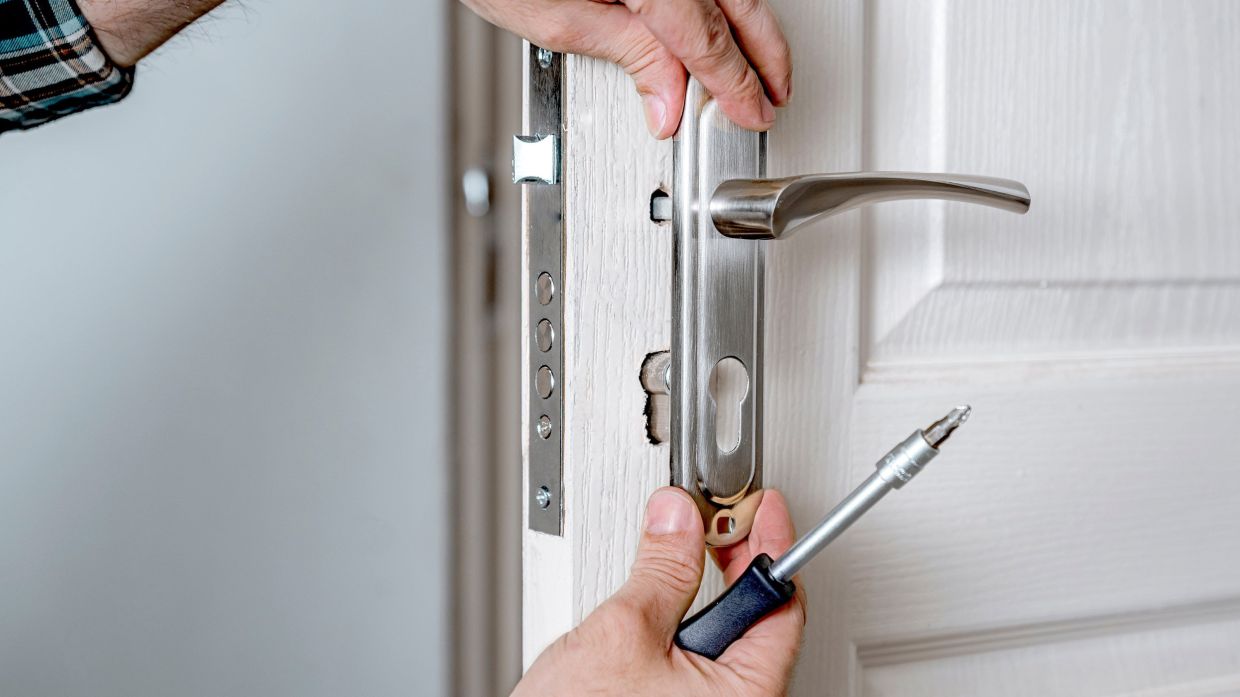
The property in question was entirely fictitious as far as Sun's ownership was concerned. He identified a long-vacant residential unit within a development estate and hired a locksmith, falsely claiming that he had misplaced the original keys. Without presenting any documentation establishing ownership or authorisation, he had the locks replaced with new mechanisms, effectively seizing control of the property's access. Sun subsequently invited the couple to inspect what he presented as their newly acquired home, provided them with keys to the recently installed locks, and executed a sales contract that bore no legal validity.
The actual proprietor of the flat was an individual surnamed Wang, who had deliberately left the unit unoccupied while an intermediary agent conducted an extended search for suitable tenants. This vacancy period, which extended beyond three months, created the opportunity Sun exploited. Wang's absence from the property and his reliance on an agent to manage rental inquiries meant that the unauthorised lock change initially went undetected, affording the fraudster an operational window of approximately two years during which the scheme appeared viable to his victims.
The deception unravelled in May 2025 when Wang arrived at the property with a prospective tenant only to discover that his original key no longer functioned. Examination of security camera footage from the building subsequently confirmed that the locks had been replaced without authorisation. Wang immediately filed a police complaint, triggering an investigation that led to Sun's apprehension. Upon arrest, Sun admitted to having already expended the entire sum extracted from the couple, allocating funds toward debt repayment and personal living expenses, which substantially diminished prospects for financial restitution to his victims.
The couple ultimately sustained losses exceeding 700,000 yuan, having exhausted the majority of their savings in a scheme that offered nothing in return. They had not yet paid the final instalment of 400,000 yuan at the point the fraud was exposed, though this omission provided little consolation given the scale of their financial devastation. Neither the couple nor representatives of their interests have made public statements regarding their ordeal or their intention to pursue any form of recompense through civil proceedings.
The sentencing represents a severe judicial response to Sun's actions, reflecting both the magnitude of the financial harm and the aggravating circumstance of betrayed trust between parties with longstanding personal relationships. However, questions remain unresolved regarding the potential culpability of the locksmith who facilitated the lock replacement. It remains unclear whether that individual has faced investigation or consequences for his role in enabling the fraudulent transaction, despite his participation in a critical step that made the entire scheme operationally feasible.
The case has ignited substantial public discourse on Chinese social media platforms, with observers expressing moral condemnation of Sun's behaviour and frustration at the couple's vulnerability. Commentary has emphasised the dangers inherent in circumventing formal property transaction mechanisms and the risks of relying upon personal referrals or informal relationships when engaging in significant financial undertakings. Institutional gaps in verification procedures and enforcement mechanisms have also come under scrutiny, with many commentators advocating for stricter protocols governing lock changes on residential properties and more rigorous ownership verification before property transfers proceed.
For Malaysian and Southeast Asian audiences, the case carries instructive value regarding property transaction security and fraud prevention. While Malaysia's formalised property transfer system through the Land Registry Office provides substantially greater protection than informal arrangements, the underlying vulnerabilities—inadequate identity verification, insufficient documentation checks, and excessive trust in personal connections—remain relevant across the region. The case demonstrates how fraudsters exploit emotional leverage and constructed credibility to lower victims' vigilance, a pattern that transcends geographical boundaries and cultural contexts. Regional property buyers, particularly migrant workers or individuals from less developed areas seeking to establish residence in major urban centres, may face comparable vulnerability when approached with seemingly advantageous property opportunities presented through informal networks.

