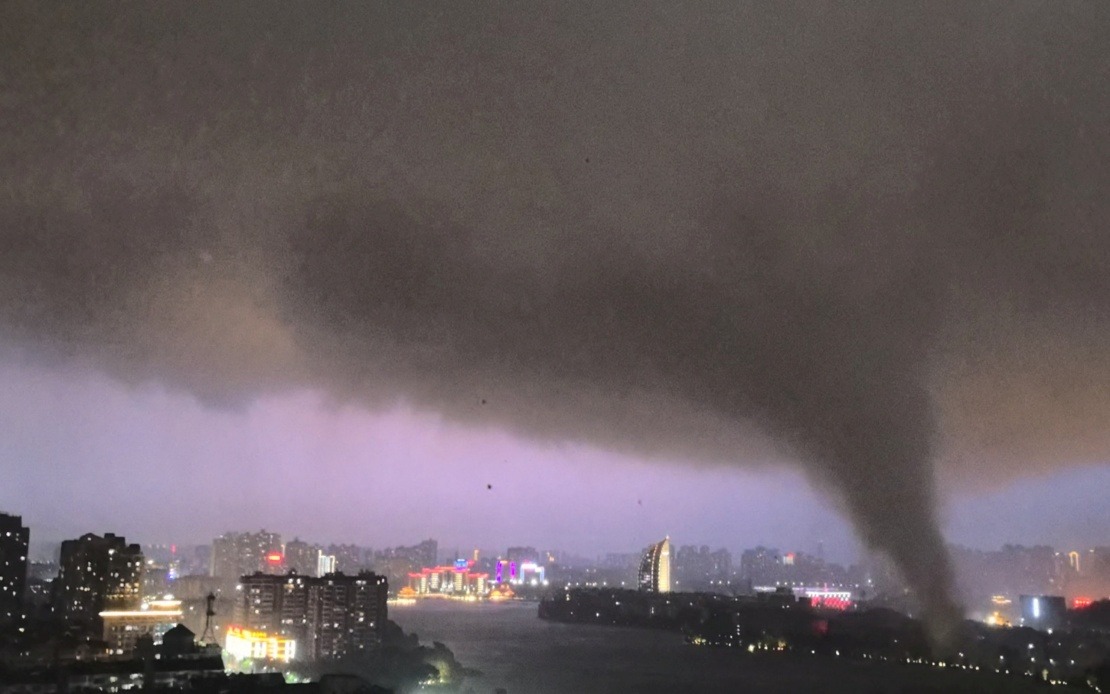
Authorities in Hubei Province confirmed Monday night that a violent weather system had claimed 11 lives, with search efforts continuing for one additional missing person. The disaster unfolded between 7 pm and 11 pm as thunderstorms and powerful winds swept through the eastern sections of the province, affecting multiple urban and rural communities across a broad geographical area.
The affected zones included the cities of Huangshi, Huanggang, Ezhou, and Xianning, each experiencing the full force of the convective weather event. Particularly severe conditions were recorded in two townships, where wind speeds reached level 13 on the gale scale—equivalent to approximately 118 kilometres per hour or higher. Such extreme velocities represent the upper threshold of damaging winds capable of causing structural failure and widespread destruction across entire communities.
Meteorological data and eyewitness reports indicate that tornado activity formed during the worst of the storm sequence. These rotating columnar vortices, though typically localised in their destructive footprint, inflicted concentrated damage across affected neighbourhoods. The combination of tornadoes, extreme wind gusts, and heavy rainfall created cascading hazards that extended rescue and recovery challenges throughout the night and into the following day.
Material damage proved extensive. Provincial authorities documented the complete destruction of 22 buildings, representing structures reduced to rubble or rendered uninhabitable. An additional 4,855 structures sustained varying degrees of damage, from torn roofing and shattered windows to collapsed walls and compromised foundations. This scale of property destruction typically affects residential areas most severely, displacing families and destroying personal belongings accumulated over generations. Commercial premises, agricultural facilities, and public infrastructure also suffered significant harm.
The human toll extended beyond fatalities. Medical authorities recorded 331 residents treated for weather-related injuries, ranging from minor lacerations and blunt trauma to more serious conditions requiring hospitalisation. Many victims sustained injuries from flying debris, collapsed structures, or motor vehicle accidents triggered by poor visibility and hazardous road conditions during the storm's peak intensity. Emergency departments across the province mobilised additional staff and resources to manage the sudden influx of casualties.
Provincial leadership activated comprehensive emergency response protocols immediately following the initial reports. Rescue teams were dispatched to affected districts to extract trapped individuals, clear debris from roadways, and establish emergency shelters for the displaced. Medical personnel established triage stations to prioritise treatment based on injury severity, ensuring that those with the most critical conditions received immediate care. Communication networks were activated to coordinate response efforts across multiple jurisdictions and prevent duplication of resources.
Secondary disaster prevention emerged as a critical component of the ongoing response strategy. After the primary weather event passes, additional hazards frequently materialise—weakened structures collapsing hours or days later, gas leaks from damaged infrastructure, waterborne diseases from contaminated water supplies, and communicable disease outbreaks in crowded emergency shelters. Provincial authorities implemented targeted measures to mitigate these downstream risks, including structural assessments of damaged buildings, utility system inspections, and public health monitoring in affected communities.
The Hubei incident reflects the growing frequency and intensity of severe convective weather events across central and eastern China. Climate patterns and atmospheric conditions have combined to generate multiple high-impact weather episodes annually, overwhelming local emergency management systems despite substantial investments in disaster response infrastructure. Communities in this region face recurring cycles of damage, recovery, and redevelopment as severe weather continues to strike with regularity.
For Malaysian and Southeast Asian readers, the Hubei disaster underscores vulnerabilities common throughout the monsoon regions of Asia. Similar convective weather patterns, driven by tropical and subtropical atmospheric circulation, regularly produce thunderstorms, tornadoes, and destructive winds across Malaysia, Indonesia, Thailand, and neighbouring countries. The Hubei response model provides instructive examples of emergency coordination and recovery management that regional governments monitor closely when developing or refining their own disaster preparedness frameworks.
The incident also highlights infrastructure resilience challenges faced by rapidly developing regions worldwide. As urbanisation accelerates and population density increases, storm-related property damage and casualty figures rise correspondingly. Building code enforcement, early warning system reliability, public education about severe weather safety, and adequately funded emergency services remain fundamental requirements for minimising human suffering when extreme weather strikes populated areas.
Provincial authorities did not immediately announce restoration timelines for critical services or comprehensive damage assessments. Investigations into building failures and infrastructure damage will likely continue for weeks, generating lessons applicable to future disaster preparedness efforts. The missing person search was expected to continue as weather conditions permitted safe rescue operations in dangerous terrain and unstable structures.

