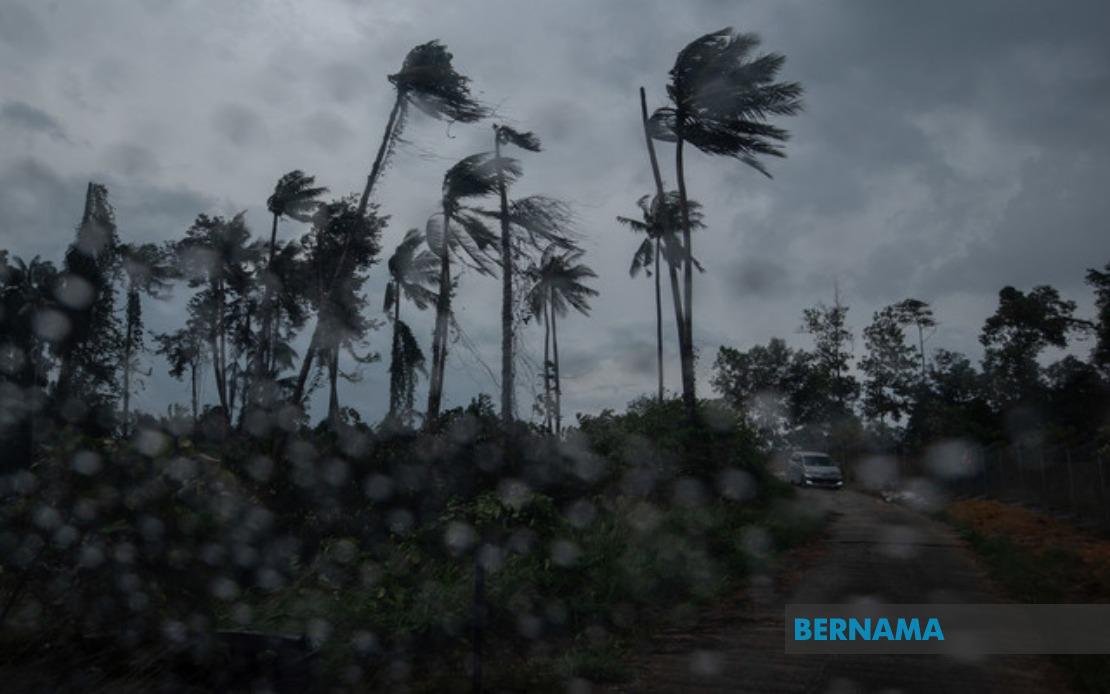
Residents across multiple Malaysian states should prepare for severe weather conditions as the Malaysian Meteorological Department issued an urgent alert early this morning warning of approaching thunderstorms, heavy rainfall and gusty winds. The advisory, released at 8.35 am, extends until 1pm and covers a significant swathe of both Peninsular Malaysia and Sarawak, potentially affecting millions of people and disrupting normal daily activities across the regions.
The entire states of Perlis and Melaka have been placed under the weather alert, meaning all districts and municipalities within these states face the risk of thunderstorms and heavy precipitation. In Kedah, the alert specifically targets Langkawi, Kubang Pasu and Kota Setar, indicating that meteorologists have identified these areas as particularly vulnerable to the incoming weather system. This targeted approach reflects MetMalaysia's ability to pinpoint high-risk zones rather than issuing blanket warnings for entire states.
Across Pahang, the alert encompasses Kuantan, Pekan and Jerantut—three significant population centres and administrative districts where disruption could be particularly noticeable. In Selangor, two key areas around the Klang Valley periphery, Sepang and Kuala Langat, have been flagged. These zones are crucial economic and residential hubs, suggesting that the expected weather could impact business operations, transportation networks and daily commutes for hundreds of thousands of residents in Malaysia's most densely populated state.
Negeri Sembilan faces warnings for five separate areas: Port Dickson, Seremban, Rembau, Kuala Pilah and Tampin. The inclusion of Port Dickson, a coastal area and popular weekend destination, indicates that the meteorological system may be drawing moisture from the sea, potentially intensifying rainfall in seaside locations. Johor residents in Tangkak and Muar have also been advised to expect severe conditions, underscoring that the weather system's influence extends deep into the southern peninsula.
Sarawak's East Malaysia location means it operates under different weather patterns, yet the meteorological alert extends across nine districts there: Mukah, Selangau, Sibu, Sarikei, Maradong, Bintulu, Kapit, Bukit Mabong and Subis in Miri. The breadth of this coverage suggests a significant weather system affecting the island state simultaneously, potentially related to monsoon transition patterns or a passing low-pressure system that influences both regions.
MetMalaysia has classified this as a short-term weather warning, valid for no more than six hours at a time for each advisory issued. This classification indicates that while the threat is genuine and immediate, the meteorological department expects the system to either pass through or weaken within a relatively confined timeframe. Short-term warnings require more frequent updates and reassessments as conditions evolve, with forecasters likely to issue revised advisories as new data becomes available from weather stations and satellite imagery.
For Malaysian commuters and businesses, such weather alerts carry significant practical implications. Heavy rainfall can overwhelm drainage systems, particularly in urban areas, leading to flash flooding in low-lying districts and underpasses. Strong winds pose risks to poorly secured structures, construction sites and vehicles, while thunderstorms create dangerous conditions for motorists and pose electrocution hazards. Schools, offices and commercial establishments often implement contingency measures when such alerts are active, potentially closing early or restricting outdoor activities.
The timing of this alert during mid-morning suggests that the worst of the weather may peak during late morning to early afternoon hours. Commuters heading to offices and schools should remain alert to rapidly deteriorating conditions and consider postponing non-essential travel. Public transport operators typically maintain heightened readiness during such alerts, potentially diverting routes or increasing service frequencies to accommodate disruptions.
For farmers and agricultural sectors across the affected states, heavy rainfall can be a double-edged sword. While water is essential for crop growth, excessive precipitation in short periods can damage crops, cause soil erosion and waterlog fields intended for planting. Plantations and agricultural communities in Pahang, Johor and Sarawak may take protective measures to safeguard their operations and harvests during the alert period.
The Malaysian Meteorological Department's decision to issue such widespread alerts reflects advances in weather forecasting technology and the department's commitment to public safety. By providing specific geographic details rather than vague regional warnings, authorities enable residents and businesses to make informed decisions about their activities and preparations. This precision-based approach to weather communication has become standard practice, allowing people to assess personal risk levels based on their exact location.
Residents are advised to monitor official updates from MetMalaysia and local authorities throughout the morning, as conditions may change or the warning period may be extended depending on atmospheric developments. Preparation measures should include securing loose outdoor items, avoiding unnecessary travel, ensuring adequate drainage around properties and staying indoors during the peak threat hours. By remaining alert and responsive to official guidance, communities can minimize disruptions and maintain safety during the expected severe weather event.

