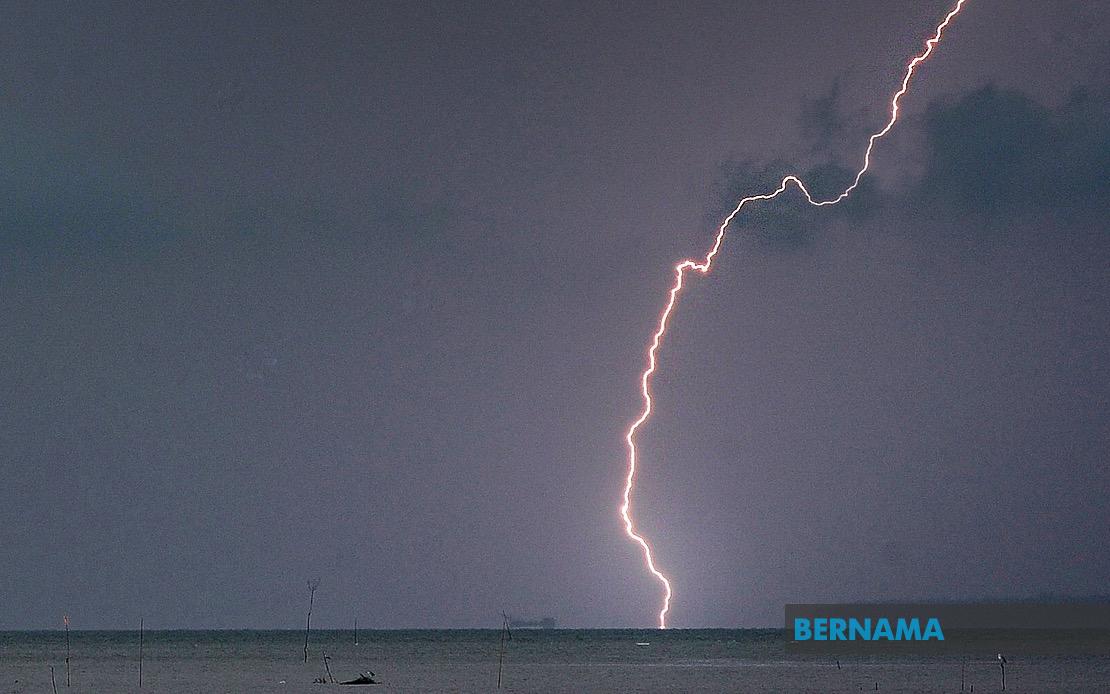
Malaysia's weather monitoring authorities have put out an urgent alert warning residents across multiple regions to brace for hazardous atmospheric conditions throughout the remainder of the day. The Malaysian Meteorological Department issued the advisory covering seven states and Labuan, with the adverse weather expected to persist until 5 pm. The cautionary notice encompasses thunderstorms, heavy precipitation and gusty winds that could impact daily activities and pose risks to residents in the affected areas.
In northern Peninsular Malaysia, several districts across Kedah and Perak face the brunt of the expected severe weather. The warning extends to Baling in Kedah, while Perak residents in Manjung, Kinta, Perak Tengah, Kampar, Bagan Datuk, Hilir Perak, Batang Padang and Muallim should exercise caution. These districts, which include both coastal and inland regions, are susceptible to rapid weather deterioration during monsoon-influenced periods, when atmospheric instability can trigger sudden storm formation.
Along the eastern coast of Peninsular Malaysia, Terengganu faces particularly widespread exposure to the incoming system. Seven districts are in the alert zone: Setiu, Kuala Nerus, Hulu Terengganu, Kuala Terengganu, Marang, Dungun and Kemaman. This extensive coverage reflects the vulnerability of the eastern seaboard, which frequently experiences intense convective activity during particular seasons. Residents in these coastal and riverine communities should remain vigilant, as flash flooding can develop rapidly in low-lying areas during heavy downpours.
Pahang's involvement in the weather warning encompasses both highland and lowland districts. The alert applies to Tanah Tinggi Cameron, Lipis, Jerantut and Kuantan. The inclusion of Cameron Highlands, which sits at elevated altitude and experiences distinct climatic patterns, suggests the storm system has considerable vertical reach and intensity. For residents and visitors in this popular tourist destination, the thunderstorms could affect road conditions and outdoor activities significantly.
In the Klang Valley region, Selangor has been flagged for severe weather affecting Sabak Bernam, Kuala Selangor, Hulu Selangor and Gombak. These districts ring the nation's economic heartland and include both urban sprawl and rural pockets. The weather advisory carries particular significance here given the population density and infrastructure concentration, as thunderstorms and strong winds in this region can disrupt transportation networks and cause localized flooding in drainage-challenged areas.
Southern Peninsular Malaysia is not spared from the meteorological alert. Johor, the nation's southernmost state, has six districts under warning: Kluang, Mersing, Pontian, Kulai, Kota Tinggi and Johor Bahru. The diversity of these zones—from coastal Mersing and Pontian to the developed Johor Bahru metropolis—underscores the broad geographic reach of the incoming system. Mariners and those engaged in maritime activities off the Johor coast should take particular note, as strong winds accompanying thunderstorms can create hazardous sea conditions.
On the island of Borneo, Sabah's eastern and coastal regions are also in the alert zone. The warning covers the Interior region encompassing Kuala Penyu, Beaufort and Tambunan, alongside West Coast districts, Beluran in Sandakan, and Kudat. These areas, straddling the interior highlands and coastal lowlands, represent geographically diverse terrain where weather patterns can vary sharply. The mountainous interior can channel moisture-laden winds, intensifying precipitation in valleys and causing flash floods in waterways.
The timing of this weather alert—issued well before the expected peak of adverse conditions—reflects MetMalaysia's commitment to providing sufficient warning for residents and authorities to take preparatory measures. The five-hour window provides adequate notice for individuals to secure loose outdoor items, avoid unnecessary travel, and prepare for potential disruptions. Given that such thunderstorms can spawn localized flooding and occasionally waterspouts, the advance warning allows emergency services to position resources strategically.
Such weather events, while common during Malaysia's monsoon seasons, demand respect and preparedness. The combination of thunderstorms, heavy rainfall and strong winds creates a triple hazard: lightning strikes pose electrocution risks, heavy rain can trigger flash floods particularly in urban areas with inadequate drainage, and powerful winds can topple trees and damage structures. Residents in the warned districts should monitor weather updates from MetMalaysia continuously and avoid outdoor activities near water bodies, tall trees or structures susceptible to wind damage.
The geographical scope of this alert—spanning from Kedah in the northwest to Johor in the south, and encompassing both peninsular and East Malaysian territories—demonstrates the prevalence of afternoon and evening thunderstorm activity across the nation during certain periods. Such widespread simultaneous alerts, while not uncommon, highlight the dynamic nature of Malaysia's tropical atmosphere and the importance of maintaining readiness for rapid weather changes. Authorities and residents alike should treat such official warnings as critical information for planning and safety.

