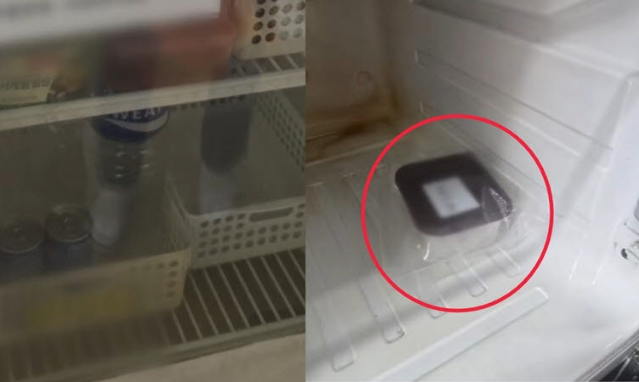
South Korean health authorities have launched an investigation into a Seoul nursing hospital following the discovery that a patient's severed toe was stored improperly in the facility's kitchen refrigerator, raising alarm over sanitation standards and medical waste management practices in the country's healthcare institutions.
According to reporting by KBS in mid-August, the detached digit belonging to a man in his sixties had spent approximately two weeks in a disposable porridge container among food items, beverages, and condiments before the patient's family uncovered the disturbing storage arrangement during a visit. The discovery has prompted scrutiny into how the hospital handles medical waste and whether proper protocols exist for managing such situations.
The patient at the centre of the incident is a man with an intellectual disability who has resided at the facility for a decade. His family learned in March that one of his toes had become separated from his foot, with hospital staff attributing the incident to a fall that occurred while he was being transferred in a wheelchair for bathing. According to the hospital's account, the toe detached because the appendage had already been compromised by skin necrosis, making it vulnerable to injury.
The disclosure has unveiled a troubling communication gap between the medical institution and the patient's family. Relatives stated they had received no notification that the man had been diagnosed with a foot ulcer, despite this condition being documented in the hospital's own nursing records since December—months before the toe separated. This failure to inform the family represents a significant breach of transparency and standard medical practice regarding patient status updates.
Under South Korean law, specifically the Waste Control Act, medical facilities are obligated to store biological waste in designated containers that meet regulatory standards. The improper refrigeration of human tissue alongside food items may also violate separate food sanitation regulations that govern health and safety in medical facilities. These legal frameworks exist precisely to prevent the kind of public health hazard that occurred in this instance.
When questioned about the storage method, the hospital defended its actions by explaining that no appropriate container was available for preserving the severed tissue. Hospital officials claimed that a nursing staff member made an emergency decision to place the toe in the refrigerator as a temporary measure to address an urgent situation. This explanation highlights either a serious deficiency in the hospital's preparedness for medical contingencies or an attempt to justify non-compliance with established regulations.
For Malaysian and Southeast Asian readers, this incident offers a cautionary perspective on the importance of rigorous oversight in long-term care facilities. Many countries in the region operate nursing homes and hospitals that serve vulnerable populations including elderly citizens and individuals with disabilities. The Seoul case demonstrates how institutional failures—whether in staff training, facility management, or regulatory compliance—can accumulate into situations that compromise both patient safety and dignity.
The broader implications extend to questions about how medical institutions across Asia manage human tissue disposal and whether families of patients have adequate channels to monitor their relatives' care and treatment. In Malaysia, where an ageing population increasingly relies on nursing facilities and long-term care centres, ensuring that such institutions maintain proper medical waste protocols is essential for public confidence in the healthcare system.
The incident also underscores the vulnerability of patients with intellectual disabilities and other cognitively impaired individuals who may be unable to advocate for themselves or report mistreatment. Family involvement in care oversight becomes critically important when patients cannot independently monitor their own health outcomes or communicate concerns about their treatment.
Following the KBS report, South Korea's Health Ministry responded by committing to request that local government authorities conduct a formal administrative investigation into the nursing hospital's operations and compliance record. This intervention signals official recognition that the incident warrants deeper examination of the facility's practices beyond the immediate question of how the severed toe was stored.
The investigation will likely examine not only the specific storage breach but also broader questions about the hospital's medical waste management system, staff training protocols, communication procedures with patient families, and the monitoring arrangements for patients with chronic conditions like foot ulcers. These systemic reviews are necessary to determine whether the incident reflects isolated poor judgment or endemic institutional failures.
For healthcare operators and regulators throughout Southeast Asia, the Seoul nursing home case serves as a reminder that oversight mechanisms must be robust enough to catch lapses before they become public embarrassments or patient safety crises. Regular audits, surprise inspections, and clear reporting channels for families can help prevent situations where such basic standards are breached. The incident reinforces that protecting vulnerable patients requires sustained attention to operational details that might otherwise be overlooked.

