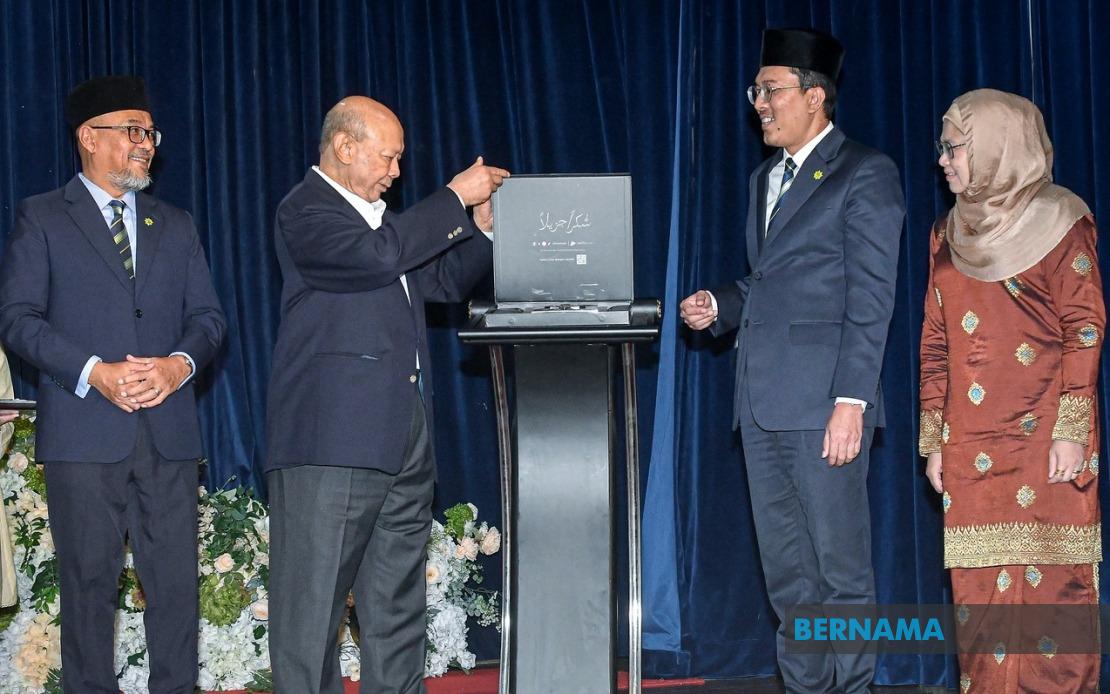
Selangor Zakat Board unveiled IKTIRAF—the Muzakki Zakat Selangor Recognition Initiative—on 7 July, marking the introduction of Malaysia's first formal certification system designed to acknowledge corporate entities that reliably discharge their business zakat responsibilities. The programme represents a significant shift in how religious institutions approach corporate compliance, moving beyond enforcement towards stakeholder recognition and market-driven incentives.
According to Mohd Khaidzir Shahari, chief executive officer of Zakat Selangor, the initiative responds to a pressing need to heighten corporate consciousness surrounding zakat obligations while simultaneously fostering greater integration of Islamic principles within business governance frameworks. The scheme positions business zakat not merely as a financial obligation but as a credible marker of corporate social responsibility that can enhance brand reputation and consumer trust among Muslim-majority markets.
Participating companies will receive both an e-Certificate and an e-Label bearing a unique serial number, enabling them to prominently display their zakat compliance status across product packaging, business premises, and marketing communications. This visible recognition creates a certification ecosystem comparable to halal accreditation, which has proven highly effective in influencing consumer purchasing decisions throughout Malaysia and the broader Southeast Asian region. Members of the public can independently verify the legitimacy of any company's participation through QR code technology, establishing transparent accountability.
The psychological and commercial dimensions of IKTIRAF warrant consideration. Mohd Khaidzir emphasised that the certification operates as a powerful motivational tool, particularly in Muslim-majority societies where religious compliance carries substantial reputational value. When consumers encounter the IKTIRAF logo, they gain immediate assurance that the producing company actively supports Islamic charitable obligations, potentially influencing their purchasing behaviour in favour of certified entities. This dynamic creates positive reinforcement for corporate zakat compliance while establishing competitive advantages for participating businesses.
Zakat Selangor has established an ambitious yet measured target of recognising approximately 1,000 existing business zakat payers during the initiative's inaugural year. Notably, Mohd Khaidzir prioritised consciousness-raising over rapid numerical expansion, cautioning against pursuing aggressive participation targets that might undermine the scheme's foundational purpose. He articulated a sophisticated understanding of Islamic philanthropy, noting that sustainable zakat compliance cannot depend on regulatory pressure but must instead emerge from genuine comprehension among corporate decision-makers and shareholders regarding their religious and social obligations.
This pedagogical approach reflects broader philosophical tensions within contemporary Islamic finance and governance. While secular regulatory frameworks typically rely on enforcement mechanisms and penalties, Islamic institutional frameworks traditionally emphasise moral education and community responsibility. Zakat Selangor's leadership recognises that companies must internalise their charitable obligations rather than merely comply superficially to avoid censure. Consequently, meaningful engagement with corporate boards and shareholders becomes essential to converting one-time payers into consistent contributors who view zakat as integral to their operational identity.
The certification programme extends beyond simple recognition, addressing a fundamental challenge facing Islamic charitable institutions across Southeast Asia. Malaysian companies often lack clarity regarding their zakat obligations, particularly those operating across multiple states or engaging in complex financial structures. By establishing standardised criteria and transparent verification systems, IKTIRAF reduces ambiguity while creating a competitive marketplace where religious compliance becomes commercially advantageous. This market-based approach has proven more effective than punitive measures in encouraging sustained behavioural change across diverse corporate environments.
Zakat Selangor chairman Tan Sri Syed Anwar Jamalullail's participation in the programme launch underscores institutional commitment at senior governance levels. The board previously recognised numerous companies and organisations meeting eligibility criteria under both the Business Zakat and Salary Deduction Scheme categories, providing tangible examples of compliant entities worthy of public acknowledgment. These initial recognition ceremonies established social proof, encouraging peer organisations to pursue similar certification by demonstrating that zakat compliance enhances rather than diminishes corporate standing.
The IKTIRAF scheme carries particular significance for Malaysian businesses navigating increasingly sophisticated stakeholder expectations regarding corporate ethics and religious observance. As consumers—particularly younger demographics—increasingly scrutinise corporate values and social impact, certification programmes providing verified attestation of ethical behaviour become commercially valuable. The initiative simultaneously addresses persistent underutilisation of Malaysia's zakat collection system, where administrative inefficiencies and corporate unfamiliarity combine to limit revenue that could support vulnerable populations and community development initiatives across Selangor and beyond.
Looking forward, IKTIRAF's success will likely influence how other state zakat boards and Islamic institutions throughout Southeast Asia approach corporate engagement. The model demonstrates that religious compliance need not depend exclusively on regulatory coercion; instead, transparent recognition systems combined with conscious stakeholder engagement can drive systemic behavioural transformation. If the initiative achieves its targets while maintaining rigorous certification standards, it may establish a template for Islamic institutional innovation that balances spiritual principles with pragmatic market mechanisms.
For multinational corporations and foreign investors operating within Malaysia, IKTIRAF certification may become an increasingly important credential within local business circles, signalling genuine commitment to Islamic values rather than mere regulatory compliance. This development reflects Malaysia's distinctive position within global Islamic finance, where religious authenticity and commercial viability increasingly converge. Selangor's initiative thus represents not merely a certification scheme but rather a meaningful experiment in aligning corporate governance structures with Islamic principles through voluntary participation and market recognition rather than regulatory imposition.

