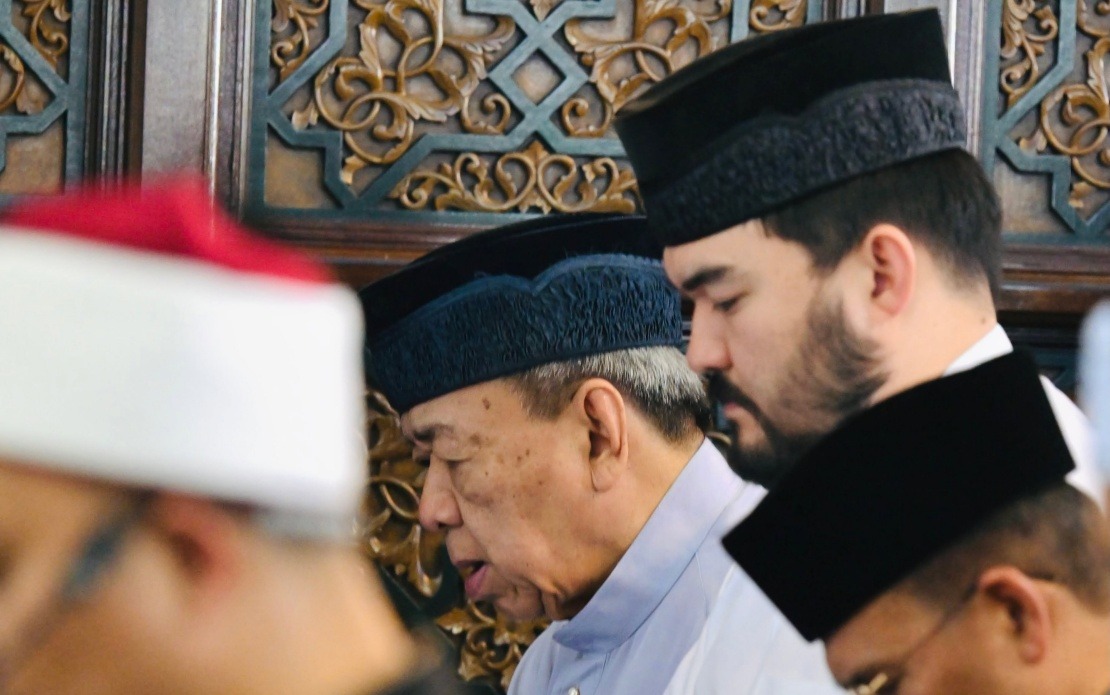
The Sultan of Selangor, Sultan Sharafuddin Idris Shah, has made a pronounced appeal to the Muslim community in the state to demonstrate genuine compassion and benevolence towards animals of all kinds, from domesticated strays to wild creatures inhabiting natural spaces. His call, articulated through the Selangor Royal Office's official channels, arrives as mosques throughout the state delivered Friday sermons focused on the theme of showing mercy and care towards Allah's creation, underscoring the spiritual significance that Islamic tradition attaches to humanity's relationship with the animal kingdom.
The timing and scope of this directive reflects broader concerns about animal welfare across Malaysia, where reports of mistreatment, abandonment, and neglect continue to surface regularly. By positioning this message within the Friday sermon framework—a moment of significant spiritual reflection for Muslim communities—the Sultan has elevated animal compassion from a mere ethical consideration to a matter of religious duty and personal piety. His emphasis invites Selangor's Muslim population to view their interactions with animals not as incidental but as integral expressions of faith and moral character.
Central to the Sultan's message is the concept of human stewardship, which frames individuals and societies as custodians of the natural world entrusted to their care. According to this perspective, the responsibility extends beyond a narrow focus on human interests to encompass the wellbeing of all living entities sharing the terrestrial and aquatic environment. The Sultan specifically identified animals, plants, mountains, oceans, and rivers as interconnected elements whose preservation and sustainable management constitute a sacred obligation. This holistic environmental vision aligns with contemporary sustainability discourse while remaining grounded in Islamic theological principles about creation and human accountability.
The religious foundation for this ethical stance draws directly from the teachings and example of Prophet Muhammad, whom the Sultan cited as a figure who placed substantial emphasis on kindness towards animals. Islamic jurisprudence, according to the Sultan's articulation, prescribes concrete obligations: Muslims must provide food and water to animals under their care or at minimum refrain from inflicting suffering. This framework transforms animal treatment from an optional charitable act into a binding religious principle that believers must observe as part of their devotion to Allah.
However, the Sultan's position demonstrates sophisticated nuance by acknowledging the legitimate tensions that sometimes emerge between animal protection and human security. Rather than presenting these concerns as irreconcilable opposites, he introduces the Islamic legal principle of Maqasid Syariah—the objectives of Islamic law—which prioritises the protection of human life and property. Under this framework, circumstances may arise where wildlife presents genuine threats to public safety or causes material damage, situations in which Islam permits intervention to prevent harm. This qualification reveals theological maturity by refusing to adopt an absolute position that might prove impractical or endanger communities.
The Sultan's insistence that compassion towards animals and the maintenance of human safety represent complementary rather than contradictory principles offers an important corrective to false polarisations. Instead of forcing communities to choose between protecting their families and property or respecting animal life, this formulation suggests that Islam provides sufficient flexibility and wisdom to address both concerns simultaneously. The Sultan characterises this balance as reflective of the inherent beauty and comprehensiveness of Islamic teachings, which he describes as capable of placing each element of existence within its appropriate context rather than promoting absolutist approaches.
For Malaysia specifically, where the Muslim population constitutes a substantial majority and Islamic principles significantly influence public discourse and policy, a statement from the Selangor Sultan carries particular weight. The monarchy in Malaysia occupies a revered constitutional and cultural position, and royal pronouncements on matters of faith and ethics command considerable attention and respect. By lending the legitimacy of his office to the animal welfare message, the Sultan potentially influences attitudes and behaviours across a broad segment of the population, particularly those who regard their ruler as a moral authority and exemplar.
The statement also addresses a persistent gap between formal Islamic teachings and their practical implementation within Malaysian society. While classical Islamic jurisprudence clearly establishes protections for animal welfare, everyday practices sometimes diverge significantly from these principles. Street animals in Malaysian cities frequently endure neglect, abuse, or poisoning; wildlife trade continues despite conservation concerns; and animal cruelty incidents regularly provoke public outrage followed by limited systemic change. By positioning animal welfare as an explicitly royal and religious concern, the Sultan's intervention aims to strengthen social and legal enforcement of existing Islamic principles.
More broadly, this message contributes to an emerging regional and global conversation about the intersection of faith traditions and environmental ethics. Across Southeast Asia, religious leaders increasingly recognise that their theological resources offer valuable perspectives on sustainability and human responsibility towards nature. The Sultan's framing aligns Selangor's Islamic community with this trend, demonstrating that commitment to modern concerns about animal rights and environmental protection can be entirely compatible with and indeed mandated by traditional religious doctrine.
The practical implications of this initiative may extend into policy and institutional spheres beyond informal social influence. Animal welfare organisations operating in Selangor might cite the Sultan's statement when advocating for stricter enforcement of existing laws, enhanced animal shelter facilities, or additional protections for wildlife habitats. Educational institutions could incorporate the sermon's themes into curricula, helping younger generations internalise these principles early. Veterinary and agricultural professionals might leverage the Sultan's endorsement to promote higher welfare standards across their respective sectors.
Furthermore, the statement's emphasis on reflection and understanding invites continued dialogue rather than prescribing rigid rules. By calling on people to contemplate the sermon's contents and their implications, the Sultan positions this as an ongoing conversation within the Muslim community rather than a one-time pronouncement. This approach acknowledges that implementing compassion towards animals across diverse circumstances and sectors requires sustained engagement, contextual reasoning, and community participation rather than simple compliance with orders.
The Sultan's intervention ultimately reflects recognition that shared ethical principles can transcend sectarian and cultural boundaries while remaining deeply rooted in specific religious traditions. Muslims in Selangor are invited to view animal compassion not as a borrowing from Western animal rights discourse but as a recovery and recommitment to their own Islamic heritage. Simultaneously, the message creates common ground for dialogue with non-Muslim Malaysians who share concerns about animal welfare but may approach the question from different philosophical or secular perspectives. In a diverse society, such bridges between tradition and contemporary values hold particular value.

