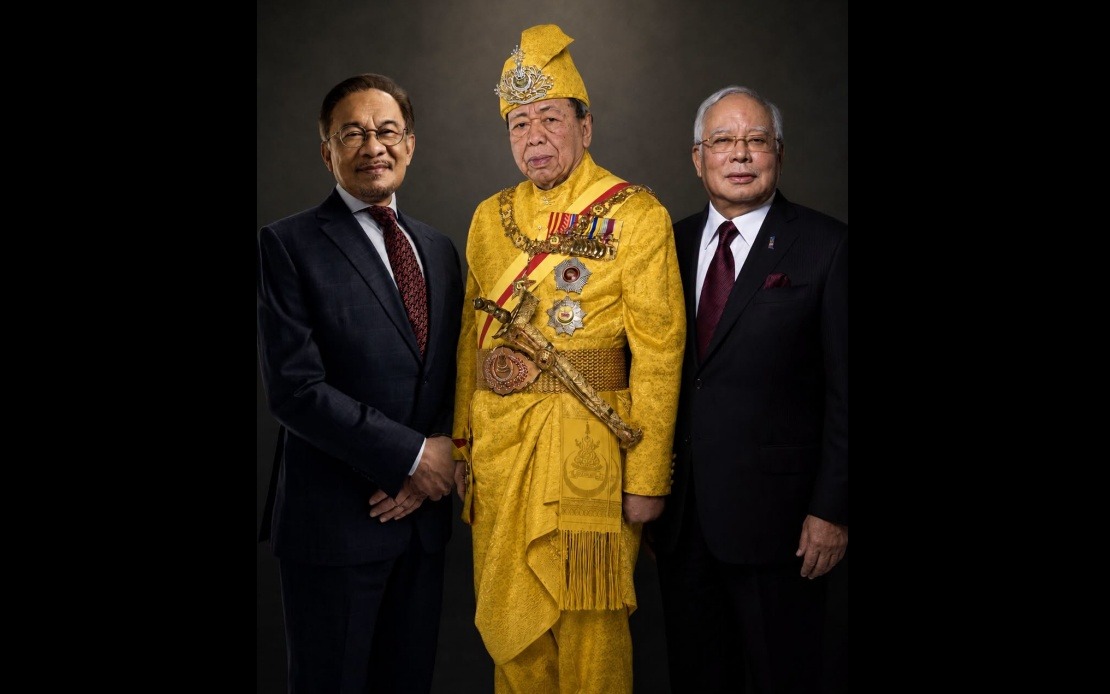
The Sultan of Selangor, Sultan Sharafuddin Idris Shah, has expressed gratitude to Prime Minister Datuk Seri Anwar Ibrahim for bringing the Shah Alam Line LRT3 project to fruition, with the rail link commencing operations this week. In a statement released on Monday, the Sultan acknowledged the Prime Minister's instrumental role in advancing what he described as a crucial transportation infrastructure for the people of Selangor, particularly those residing in Shah Alam, Klang and neighbouring districts.
Beyond merely resuming the stalled project, Sultan Sharafuddin highlighted that Anwar undertook significant enhancements after taking office as Prime Minister and Finance Minister in 2022. Most notably, the administration reinstated five railway stations that had previously been cancelled under earlier plans, demonstrating a renewed commitment to comprehensive service coverage. Additionally, the government proposed developing affordable housing complexes adjacent to LRT3 stations, an initiative designed to improve accessibility and convenience for public transport users. The Sultan's statement stressed that the Premier should face no further impediments from any quarter as the project moves into its operational phase.
The genesis of the LRT3 proposal originated from widespread public grievances, particularly among residents managing household logistics. Sultan Sharafuddin recalled that many housewives frequently complained about their husbands struggling to return home punctually due to severe traffic bottlenecks affecting the corridor. This genuine community feedback prompted royal intervention, eventually leading the Sultan to appeal to former Prime Minister Datuk Seri Najib Tun Razak to construct a dedicated rail connection between Klang, Shah Alam and Kuala Lumpur. At that juncture, only two bridges traversed the Klang River, creating severe congestion during peak commuting hours. In response to this transportation crisis, Najib's government abolished the Batu Tiga and Sungai Rasau toll plazas in 2018 as an interim measure to alleviate gridlock.
The project's execution timeline reveals the complexity of large-scale infrastructure delivery across multiple political administrations. Following the 2018 government transition, the LRT3 encountered an 18-month implementation delay, subsequently exacerbated by a further 19-month disruption attributable to the COVID-19 pandemic extending into 2021. These setbacks forced project rescoping, reducing station footprints, decreasing allocated train coaches and eliminating five originally planned stations along the alignment. Despite these constraints, Sultan Sharafuddin emphasised that the LRT3 was never envisioned as a prestige megaproject but rather as essential infrastructure directly serving the people's needs.
Operational commencement of the Shah Alam Line represents a transportation milestone for the Selangor metropolitan region, offering commuters a faster, more comfortable and safer alternative to congested roadways. The line will provide direct connectivity between Klang, Shah Alam and Kuala Lumpur, three economically significant nodes within Malaysia's western corridor. The Sultan expressed confidence that this new transport option would substantially reduce road congestion while enhancing modal choice for daily travellers navigating this heavily trafficked route.
Looking ahead, the Sultan directed attention to operational sustainability, calling upon Prasarana Malaysia Bhd to implement rigorous maintenance protocols ensuring continued service quality and reliability. The effectiveness and longevity of the LRT3 will depend significantly on such operational excellence, as public perception of rail systems is heavily influenced by consistency and service dependability. The royal statement underscored that infrastructure systems require sustained commitment beyond their initial launch phase.
Crucially, Sultan Sharafuddin sought to situate the LRT3's success within a broader context of multi-administration cooperation rather than partisan achievement. He explicitly cautioned against allowing any individual or political entity to monopolise credit for project completion, stating that the Shah Alam Line represented the culmination of sustained planning, institutional commitment and collaborative effort spanning several governments. This intervention carries particular significance given Malaysia's polarised political environment, where infrastructure accomplishments frequently become contested in partisan discourse. The Sultan's emphasis on continuity and cross-party contribution reflects a deliberate attempt to depoliticise the achievement and anchor it firmly in public interest narratives.
The Sultan articulated broader aspirations for the LRT3's catalytic potential, hoping the rail line would stimulate economic development across its service corridor, enhance population quality of life and strengthen commercial and logistical connectivity between Kuala Lumpur, Petaling Jaya, Shah Alam and Klang. These urban centres represent critical nodes within Malaysia's economic geography, and improved transport integration could facilitate employment mobility, reduce transaction costs for businesses and potentially encourage more balanced urban development across the Western Corridor.
The LRT3's commencement reflects Malaysia's ongoing efforts to develop comprehensive public transportation infrastructure amid rapid urbanisation and motorisation pressures. For Selangor, historically one of Malaysia's most congested regions, the new rail capacity offers meaningful relief to daily commute pressures. The project's successful delivery, notwithstanding implementation delays and rescoping, demonstrates both the possibilities and challenges inherent in Southeast Asian urban infrastructure development, where political transitions, fiscal constraints and external shocks frequently disrupt project timelines.
Sultan Sharafuddin's measured acknowledgment of PM Anwar's specific contributions while simultaneously emphasising cross-administration effort sets an important precedent for infrastructure discourse. By recognising current leadership's role in project completion whilst crediting earlier initiatives by previous governments, the Sultan has crafted a narrative that validates the Prime Minister's commitment without permitting historical revisionism. This approach may influence how Malaysian political actors discuss major infrastructure achievements, potentially encouraging less partisan framing of public works that transcend electoral cycles.

