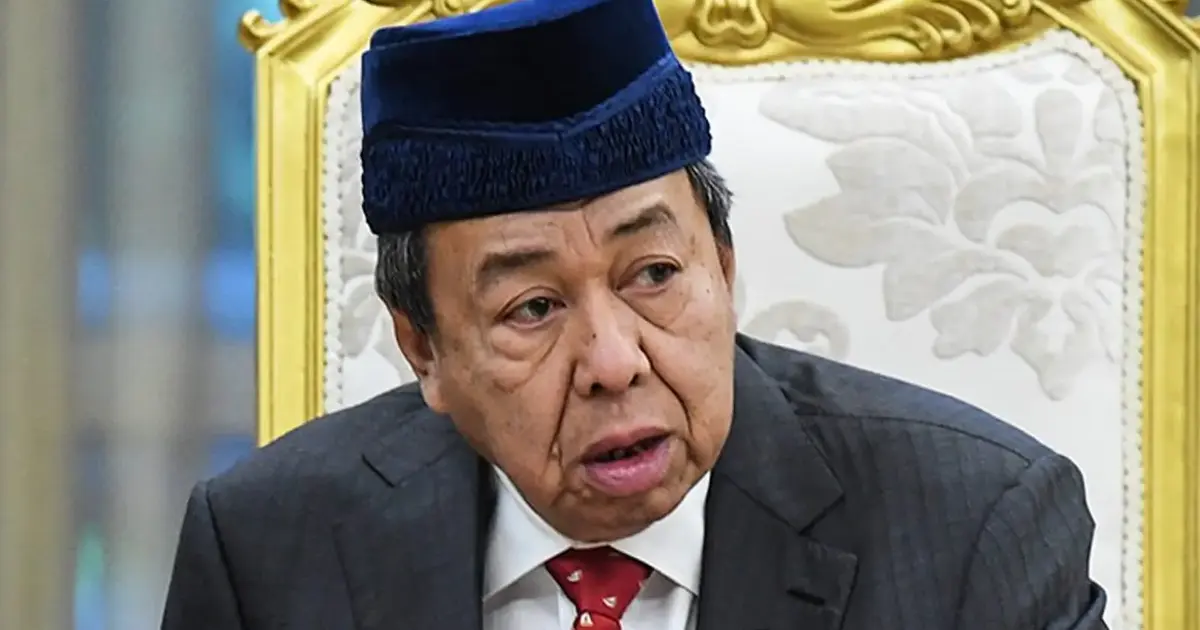
Selangor's Sultan Sharafuddin Syed Mukhriz has offered a nuanced assessment of the Light Rail Transit Line 3 (LRT3) development, distributing credit across political leaders from different administrations while publicly rebuking two senior Democratic Action Party figures for their handling of the controversial infrastructure scheme.
In his remarks, the Sultan acknowledged the role of former Prime Minister Najib Razak in initiating the LRT3 project, recognising his administration's foundational work on what has become a critical piece of the Klang Valley's public transport network. This recognition, coming from Selangor's constitutional ruler, carries particular weight given the state's historical investment in transport infrastructure and the Sultan's ceremonial position as guardian of the state's interests.
Simultaneously, Sultan Sharafuddin commended Prime Minister Anwar Ibrahim for advancing the project's completion during his tenure leading the current government. The dual acknowledgment suggests the Sultan views the LRT3 as a matter transcending partisan divisions, positioning major infrastructure initiatives as collective national endeavours that should benefit from continuity regardless of which political coalition holds power.
However, the Sultan reserved pointed criticism for DAP Secretary-General Lim Guan Eng and MP Tony Pua, both prominent figures in the coalition government. His censure appears directed at their stewardship during a period when their party held significant influence over transport and urban development portfolios. The specific grievances remain to be fully elucidated, though the LRT3 project has been beset by cost overruns, delays, and public frustration over compensation for affected residents and businesses.
The LRT3 initiative represents one of Malaysia's most complex infrastructure undertakings, stretching across multiple jurisdictions and affecting thousands of residents along its 43-kilometre corridor. Originally conceived during the Najib administration, the project has encountered substantial obstacles including land acquisition disputes, environmental concerns, and disputes over passenger compensation arrangements. These complications have made it a flashpoint for public discontent, particularly among communities directly impacted by construction and displacement.
Lim Guan Eng's tenure as Finance Minister and subsequent roles in the Pakatan Harapan government positioned him as a key figure in infrastructure oversight and fiscal decisions affecting major projects. Tony Pua, meanwhile, served in various capacities including transport-related portfolios during the coalition's administration. Both men have faced scrutiny over project management and the treatment of affected communities, making them visible targets for criticism regarding implementation challenges.
The Sultan's intervention reflects broader tensions within Malaysia's political system regarding infrastructure governance and accountability. As state rulers hold significant symbolic authority and can influence public opinion, their pronouncements on major projects carry consequences for political narratives. Sultan Sharafuddin's willingness to criticise specific individuals while acknowledging broader governmental contributions suggests a careful calibration designed to preserve the project's legitimacy while identifying particular accountability gaps.
For Malaysian readers and regional observers, this statement illuminates how infrastructure projects often transcend conventional left-right political divides, creating accountability structures that operate independently of electoral cycles. The Sultan's approach demonstrates that public figures increasingly expect credit to be distributed based on actual contributions rather than partisan affiliation, a potentially significant shift in how Malaysians evaluate governance performance.
The LRT3 project itself remains emblematic of challenges facing Southeast Asian developing economies attempting to build world-class infrastructure while managing competing demands for land, resources, and public funding. Questions surrounding its financing, execution timelines, and community impact have practical relevance for other regional nations embarking on similar mass transit developments. The Sultan's willingness to invoke accountability for specific leaders suggests that stakeholder involvement and transparent governance remain essential for project legitimacy.
Going forward, Sultan Sharafuddin's comments may influence how the incoming phases of LRT3 are managed and overseen. His apparent expectation that leaders be held responsible for implementation outcomes could translate into increased scrutiny of remaining construction stages and greater pressure for transparent accounting of displaced persons' compensation and community benefits. This dynamic reflects how constitutional monarchies in Malaysia can function as accountability mechanisms alongside electoral processes.
The political ramifications extend beyond Selangor's boundaries, potentially affecting national perceptions of DAP's stewardship within the coalition government and raising questions about whether other constituencies might voice similar concerns. The Sultan's measured criticism, offered without wholesale condemnation of the coalition, suggests a sophisticated assessment that distinguishes between systemic governmental contributions and individual ministerial performance—a distinction increasingly relevant as Malaysian voters demand more granular evaluation of leadership quality.

